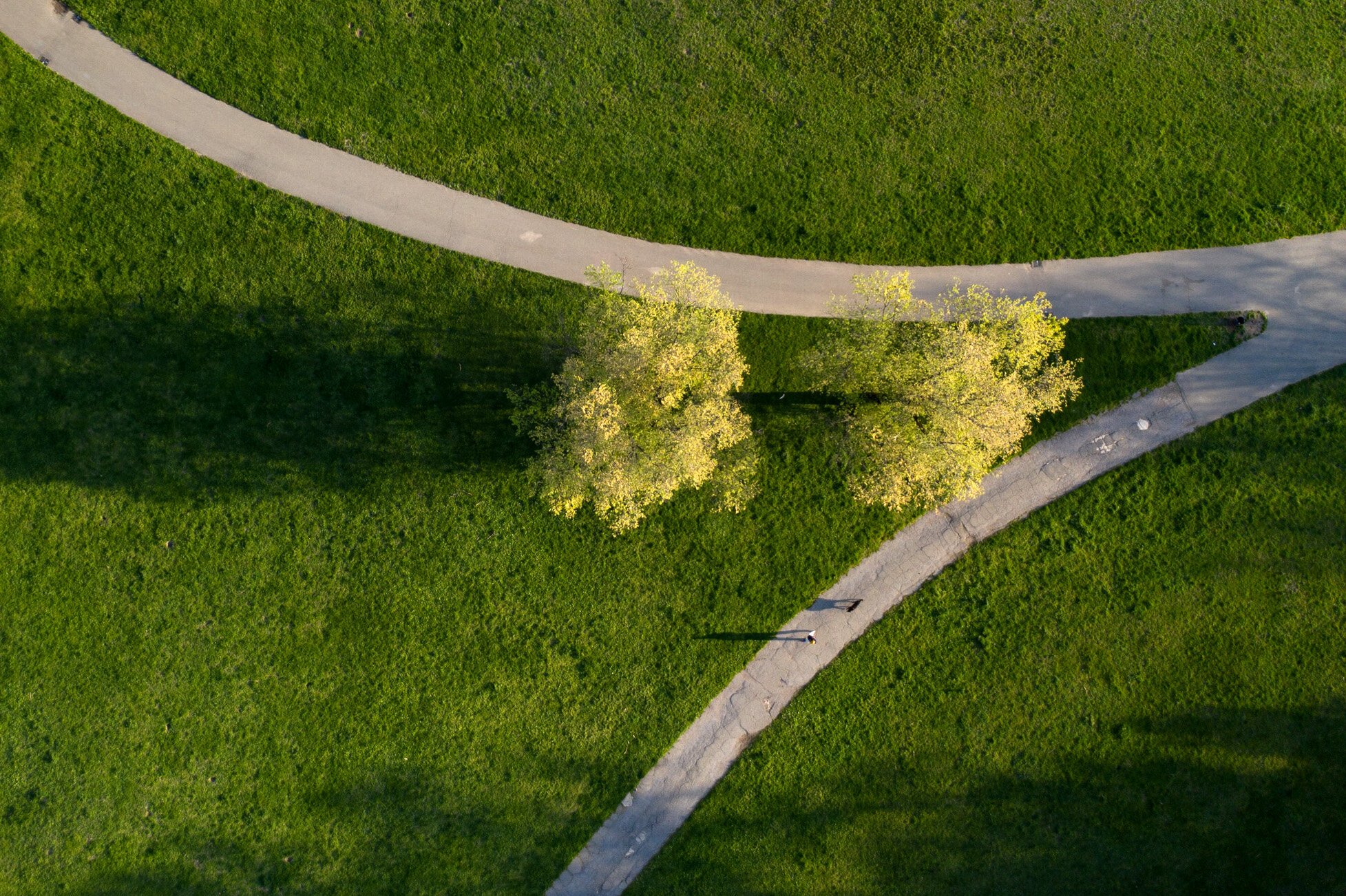
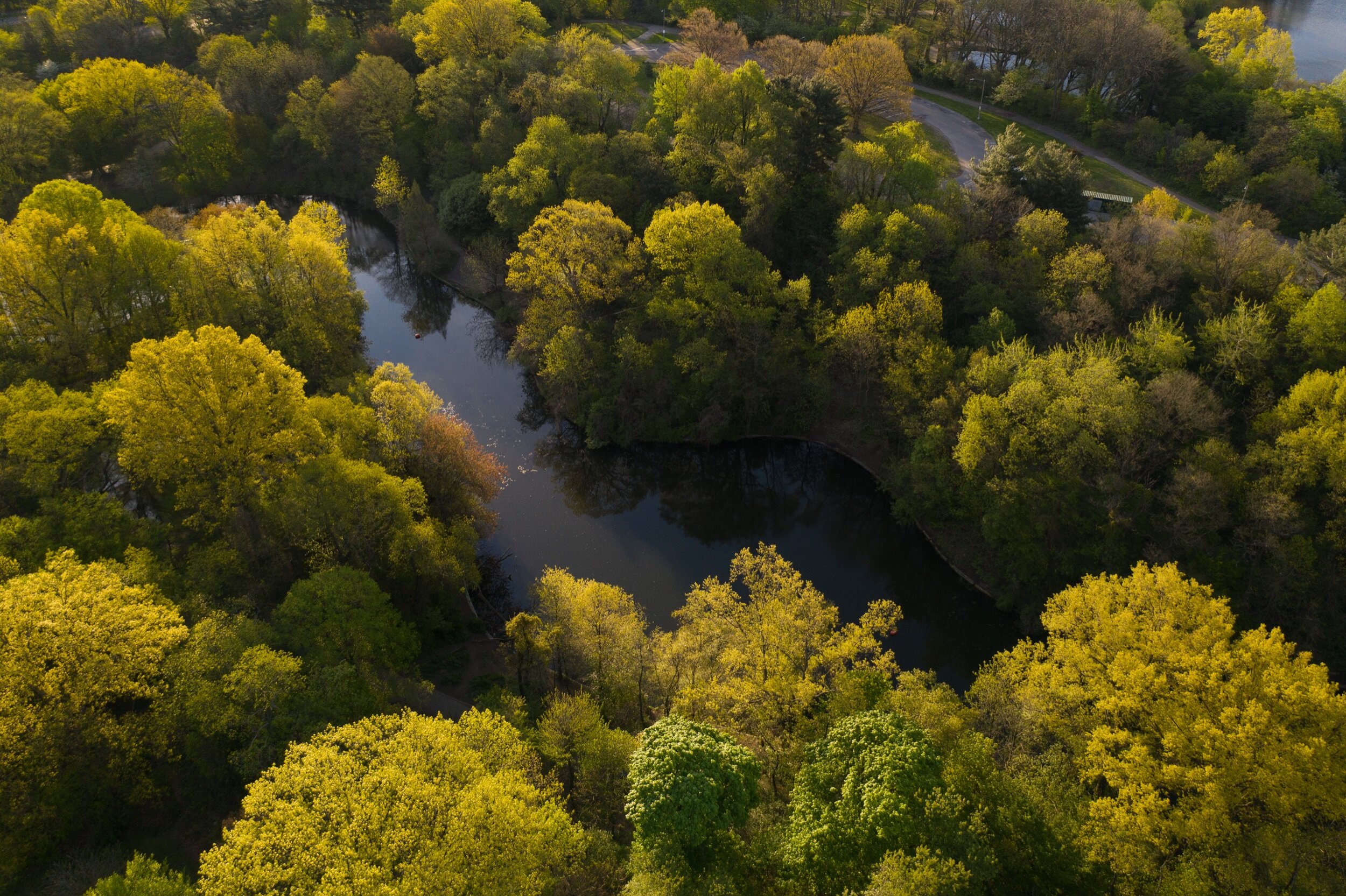
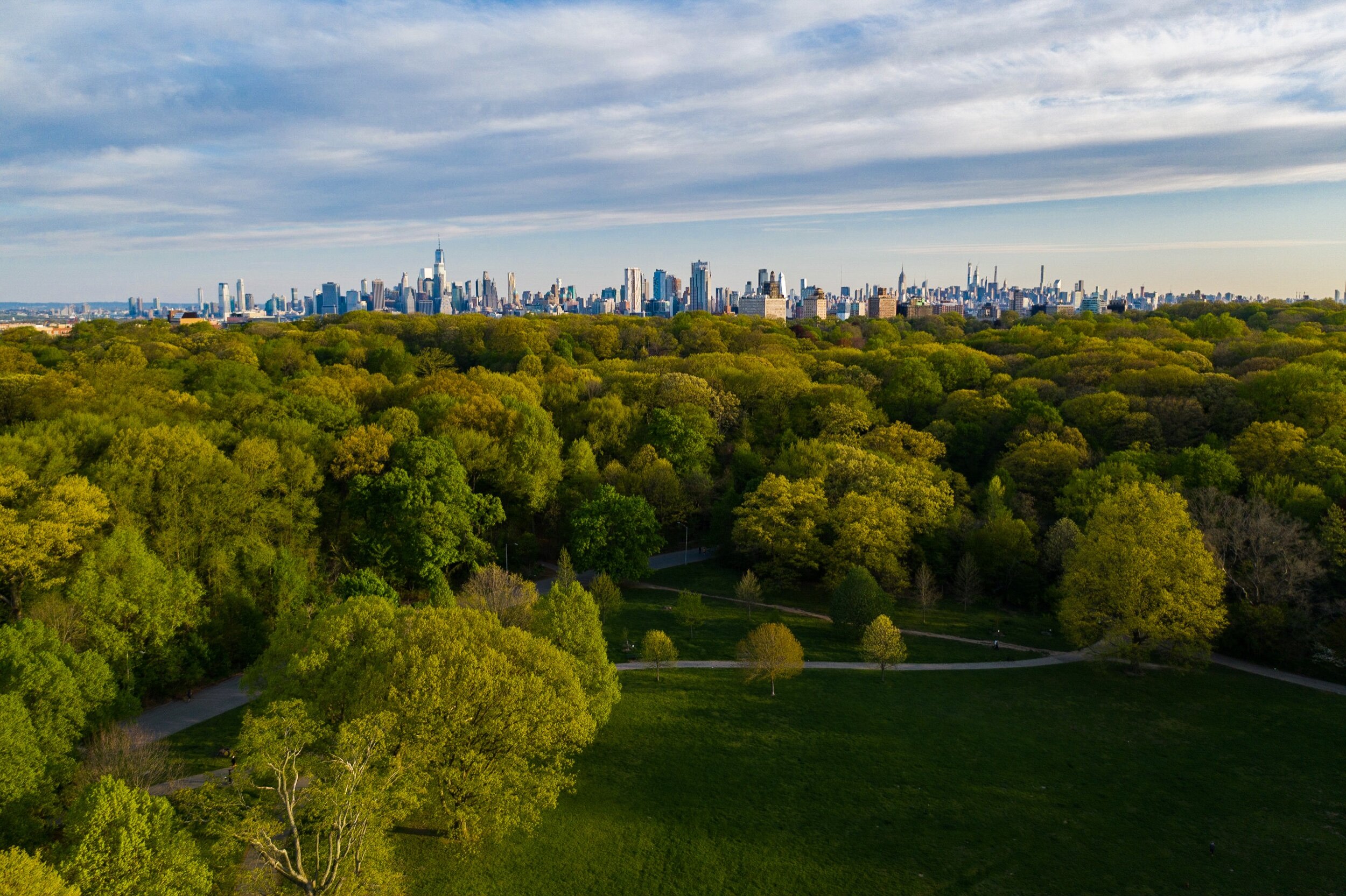
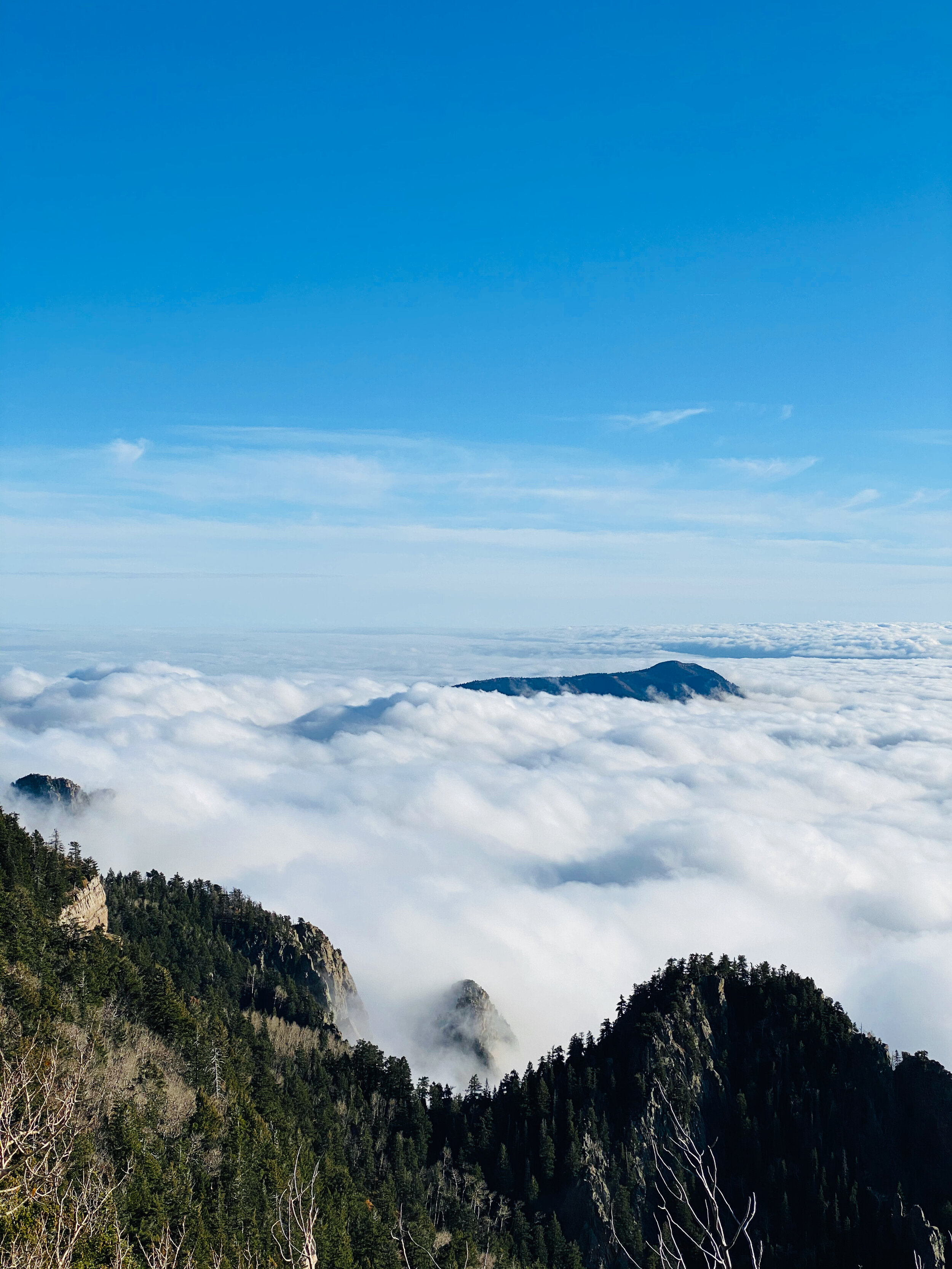
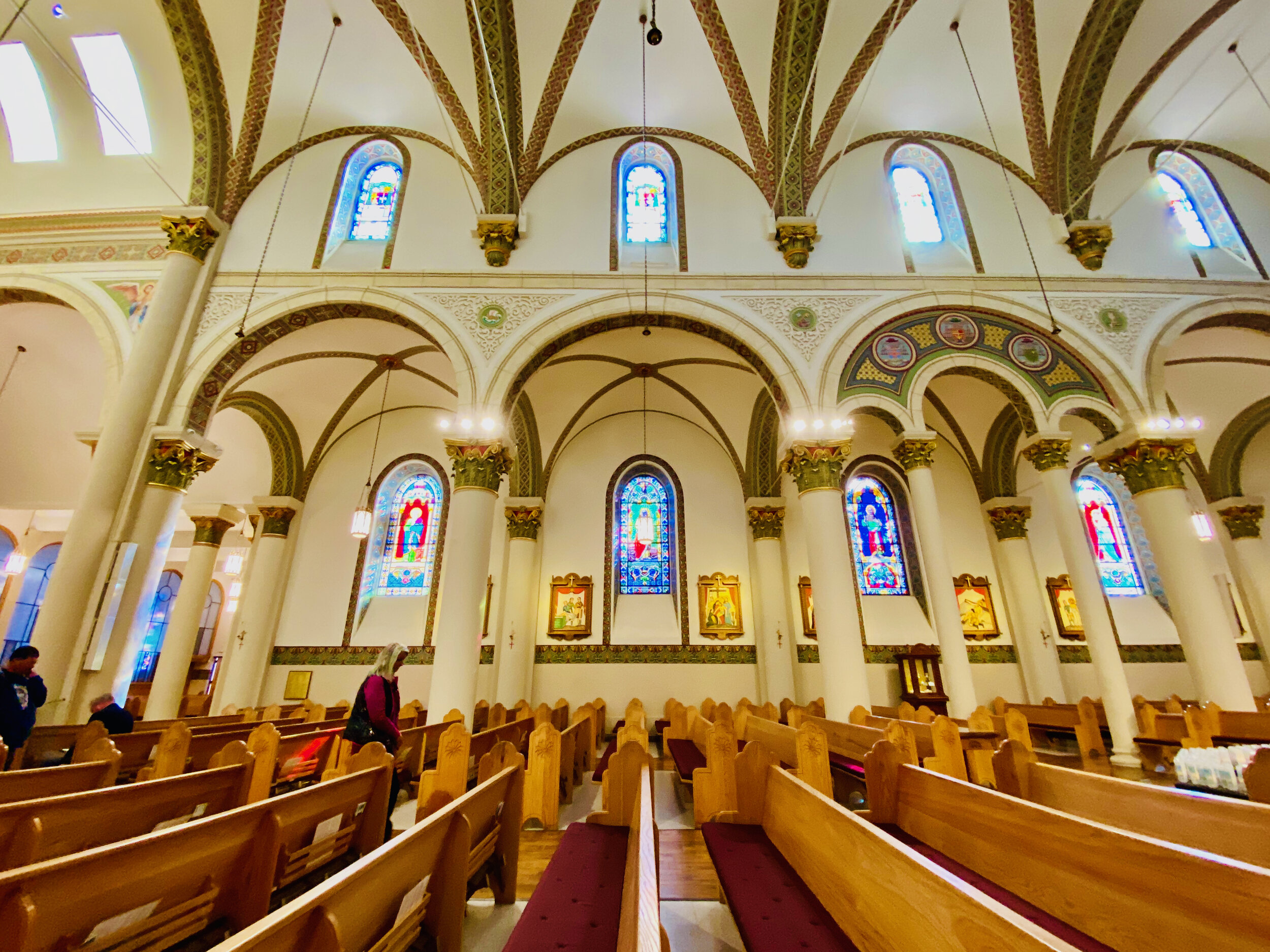
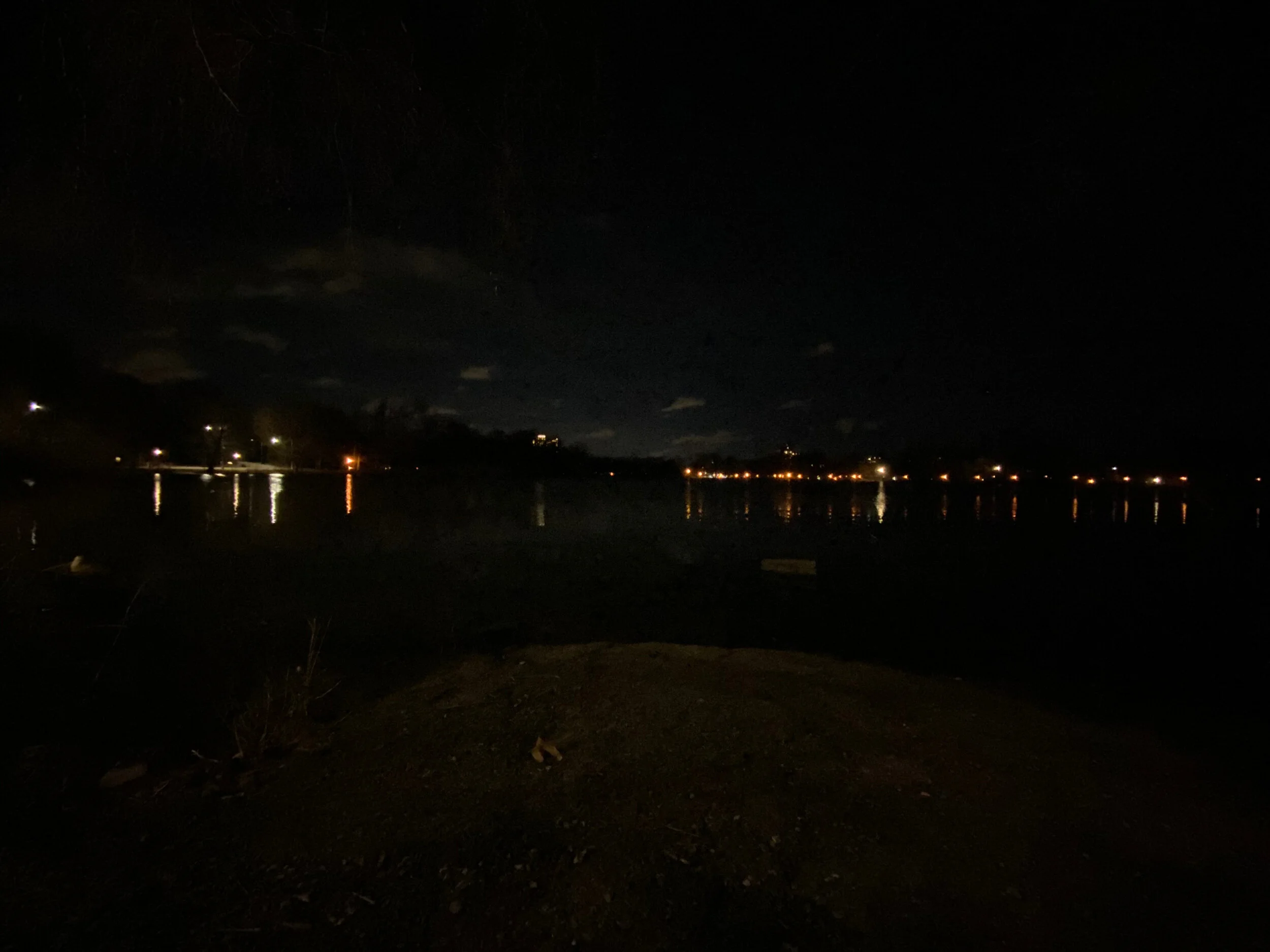
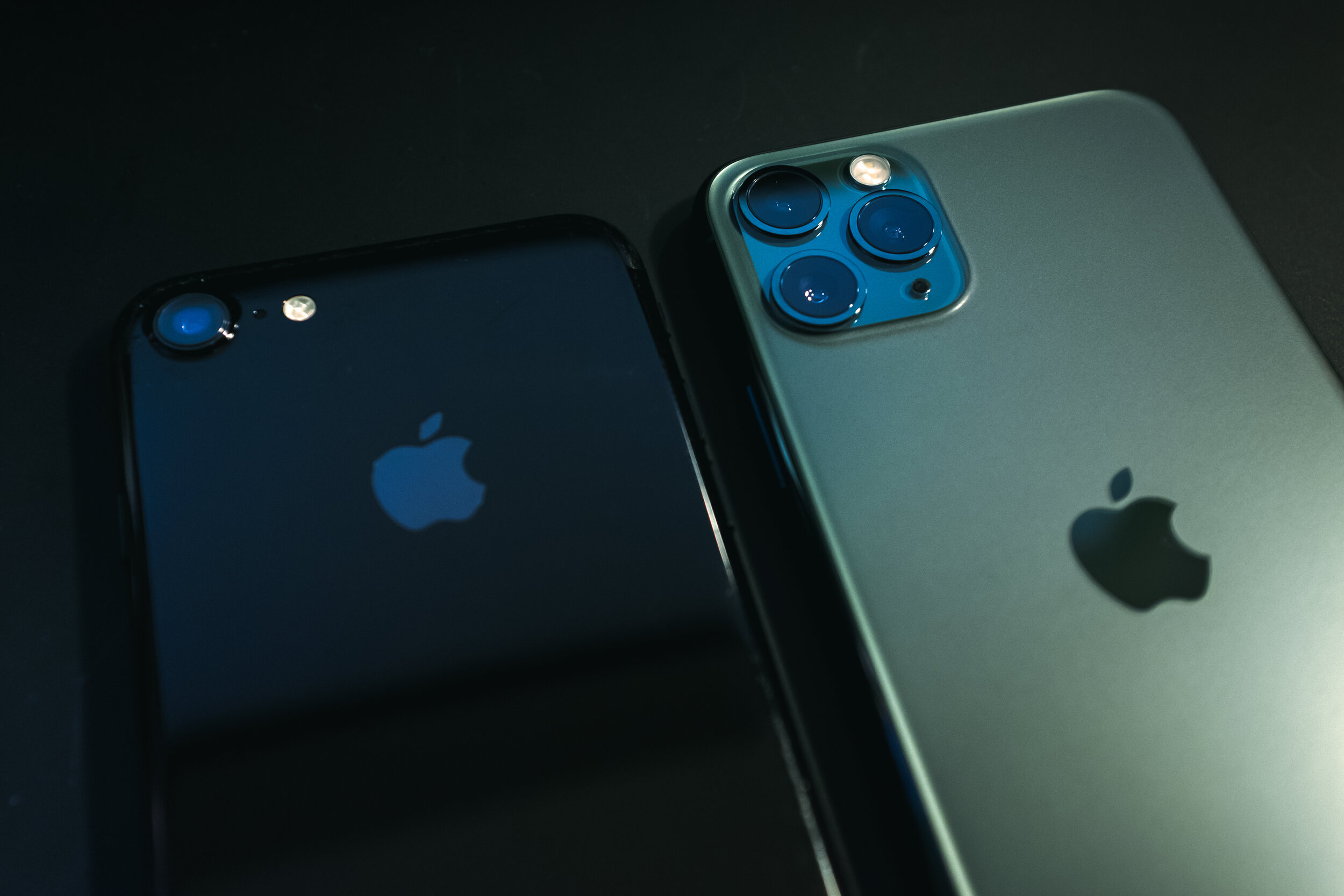
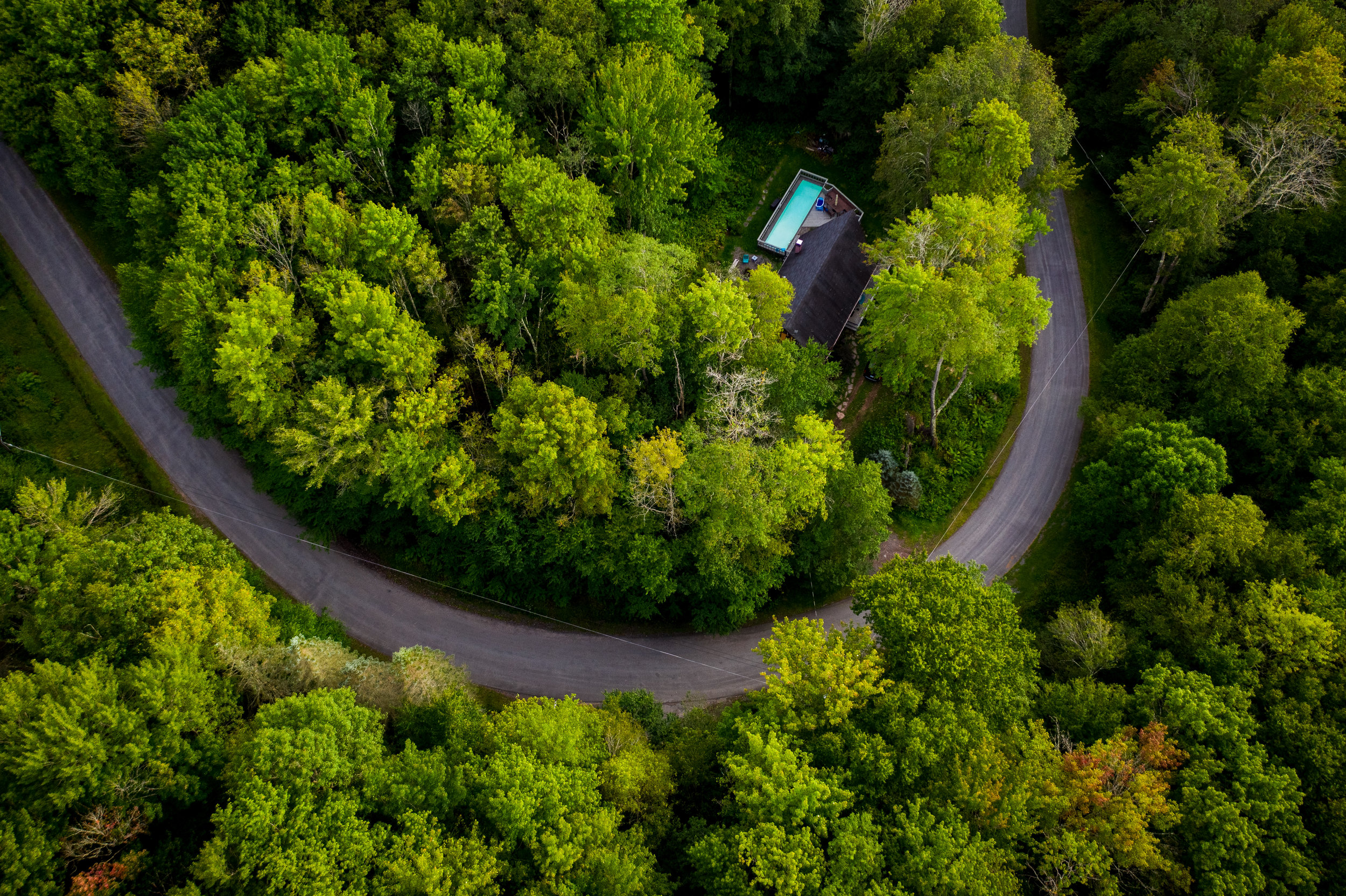
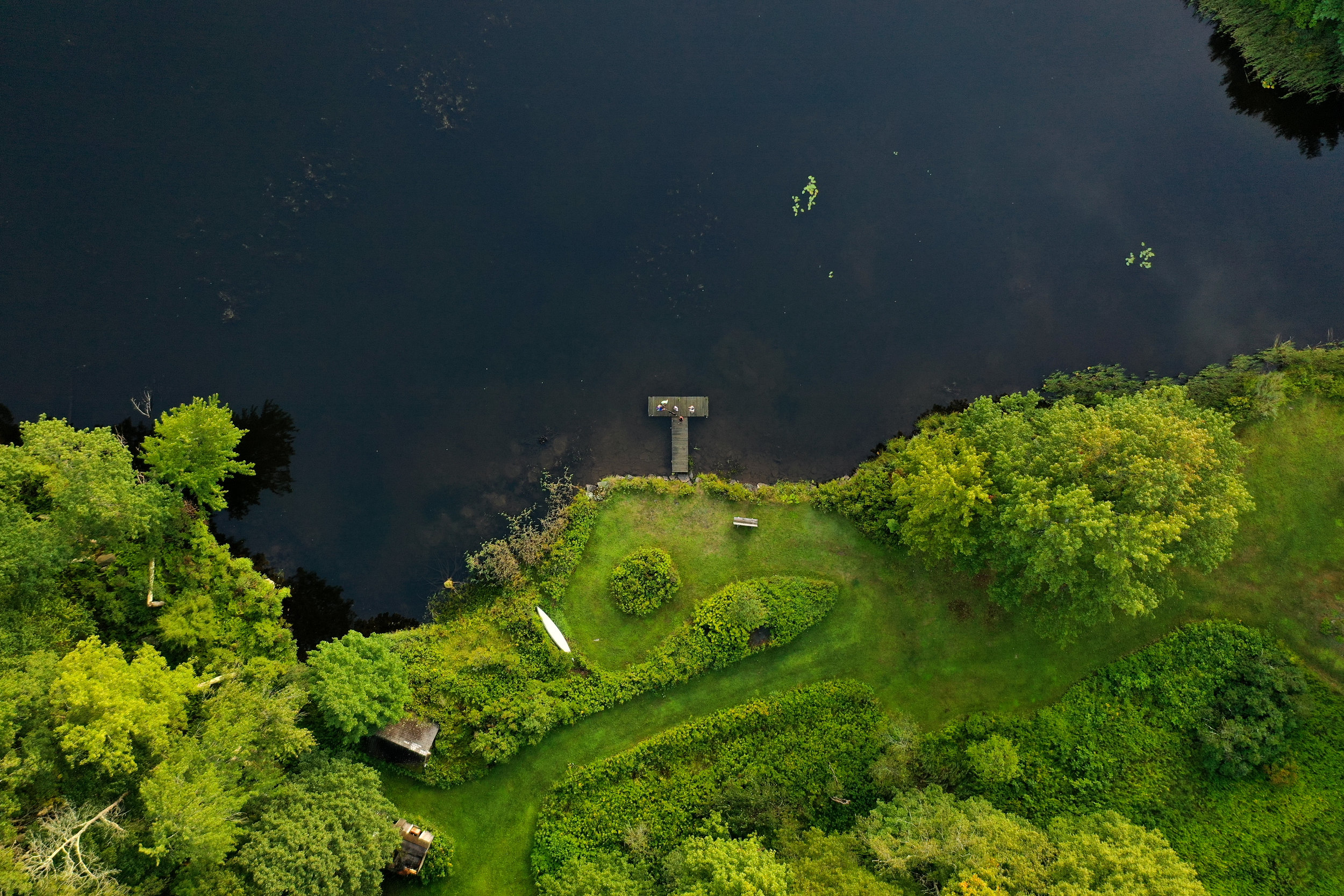
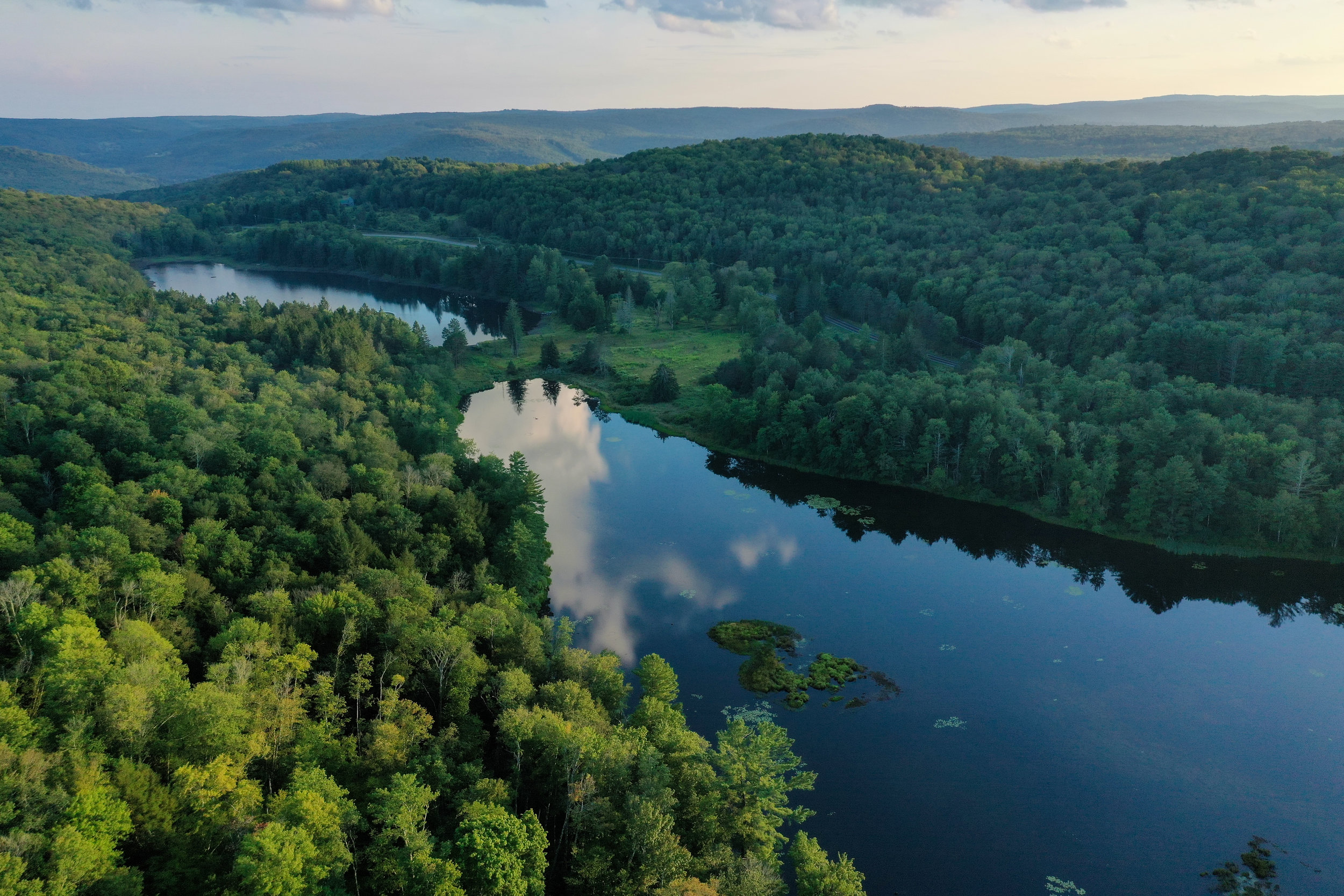
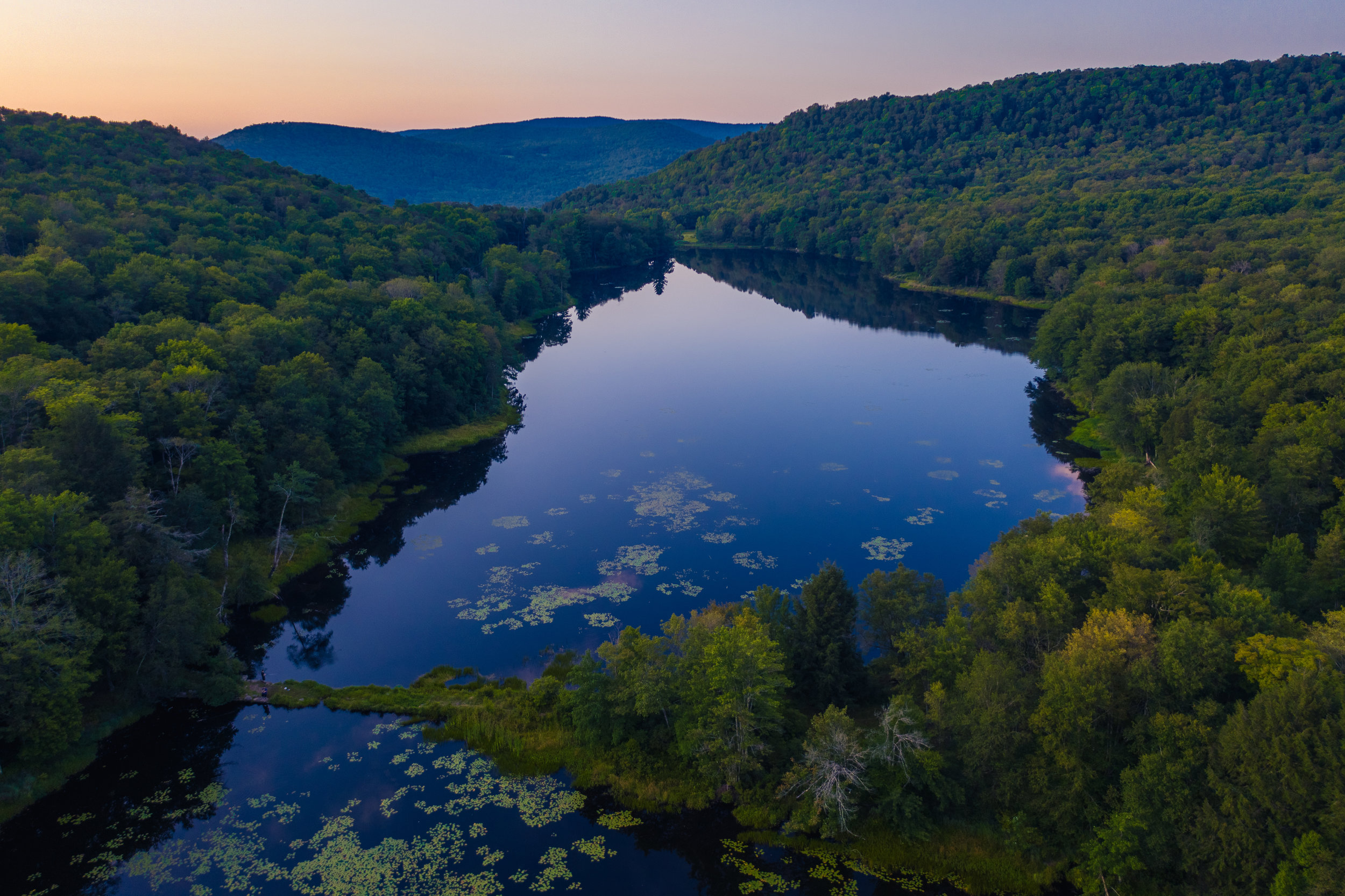
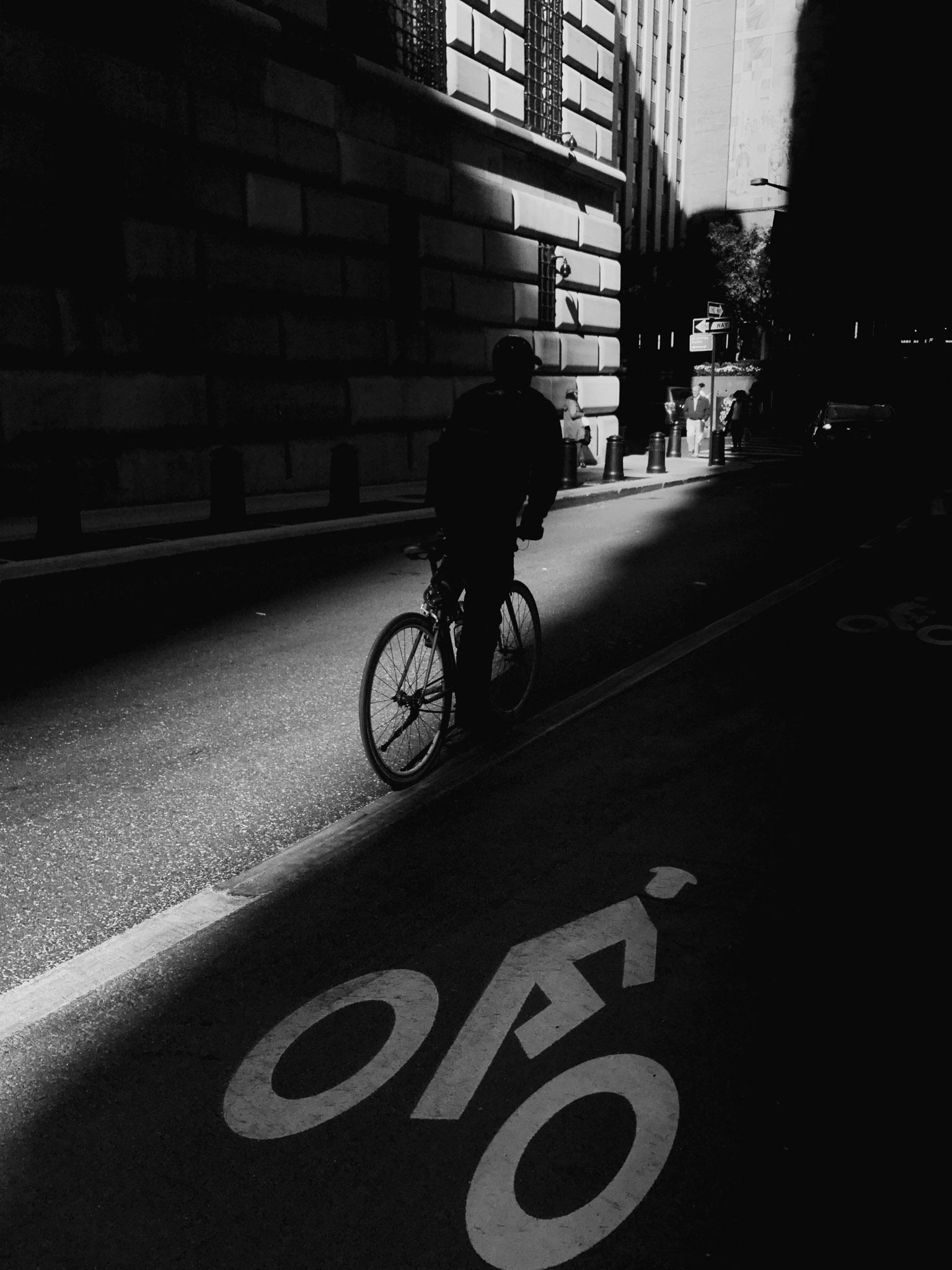
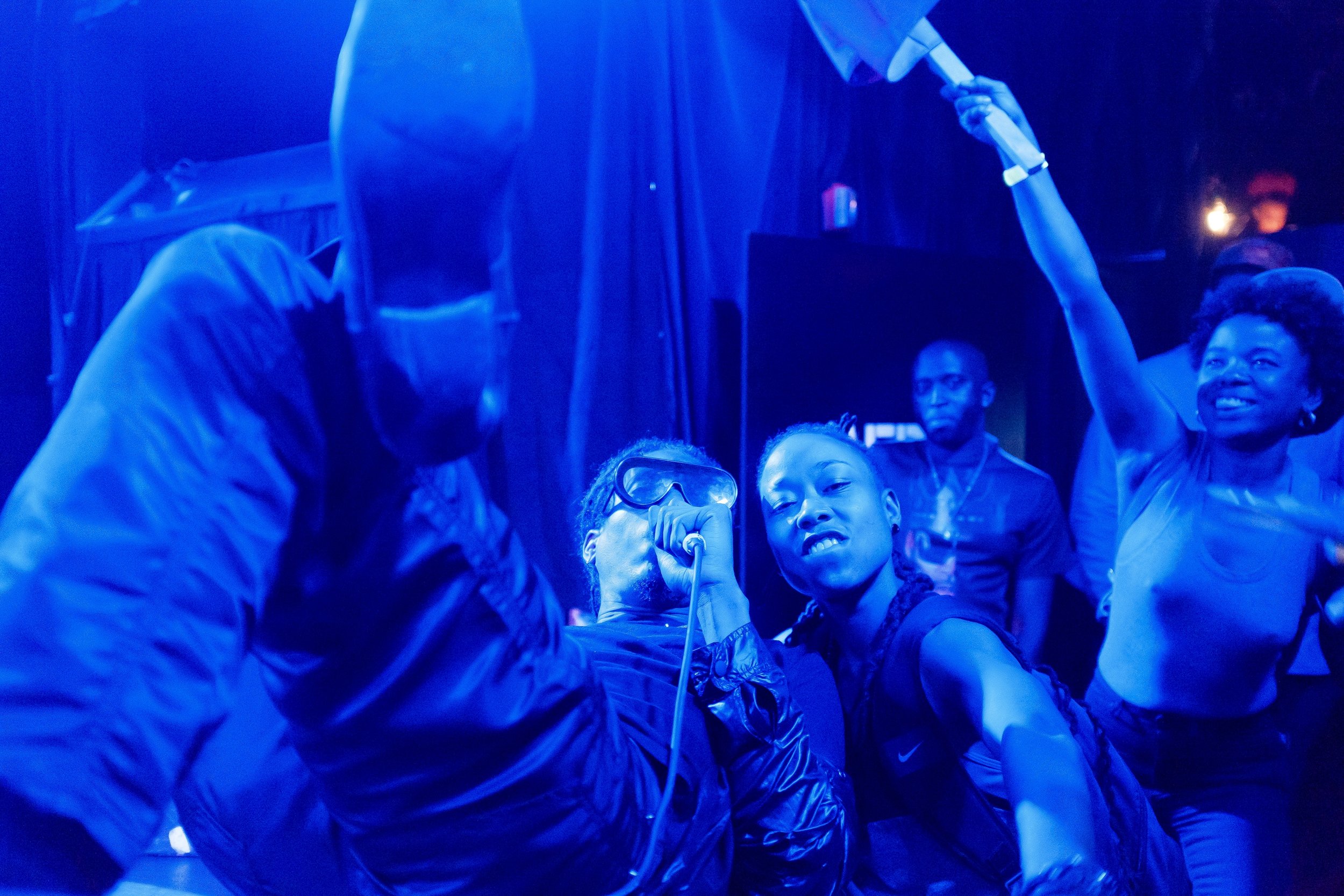
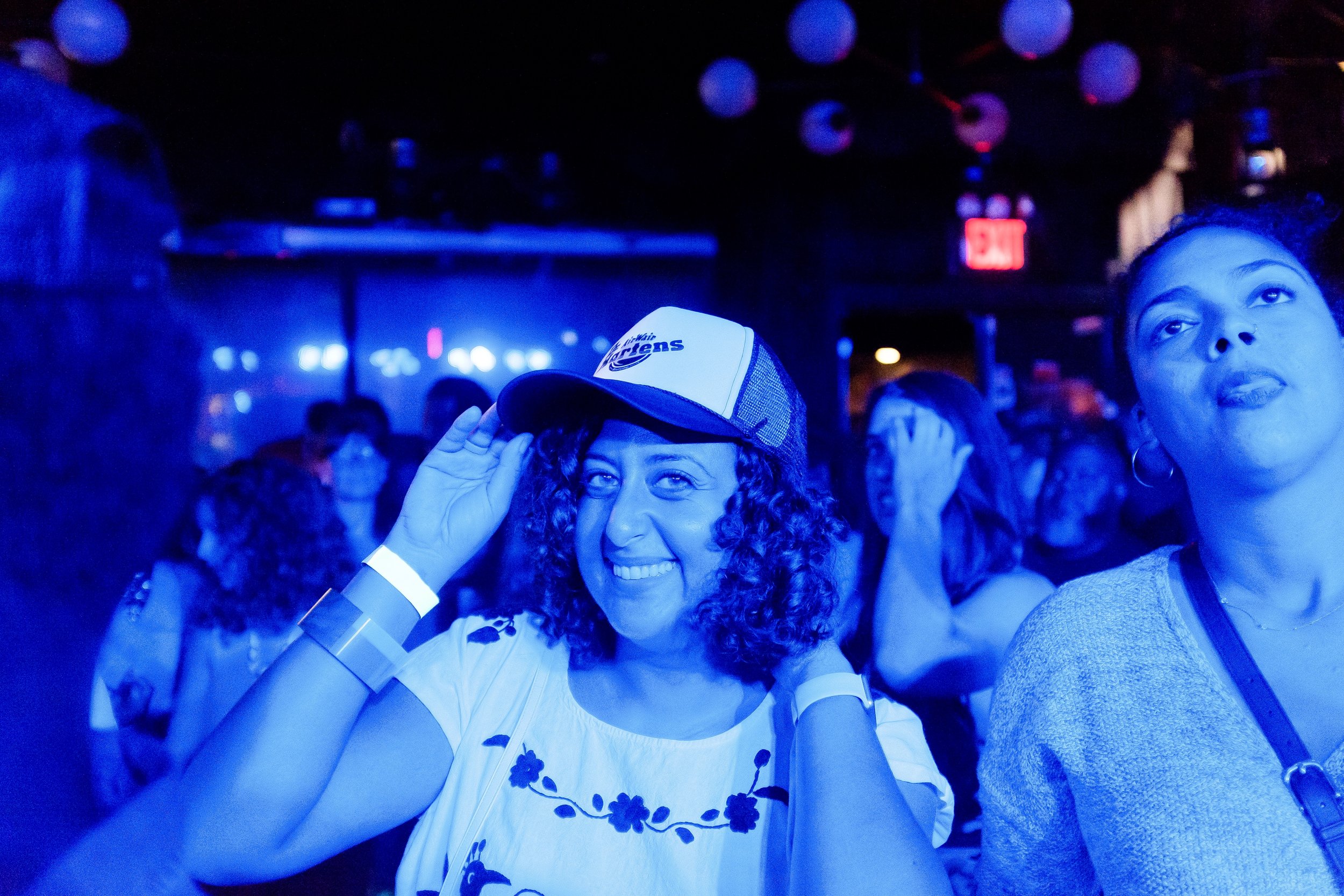
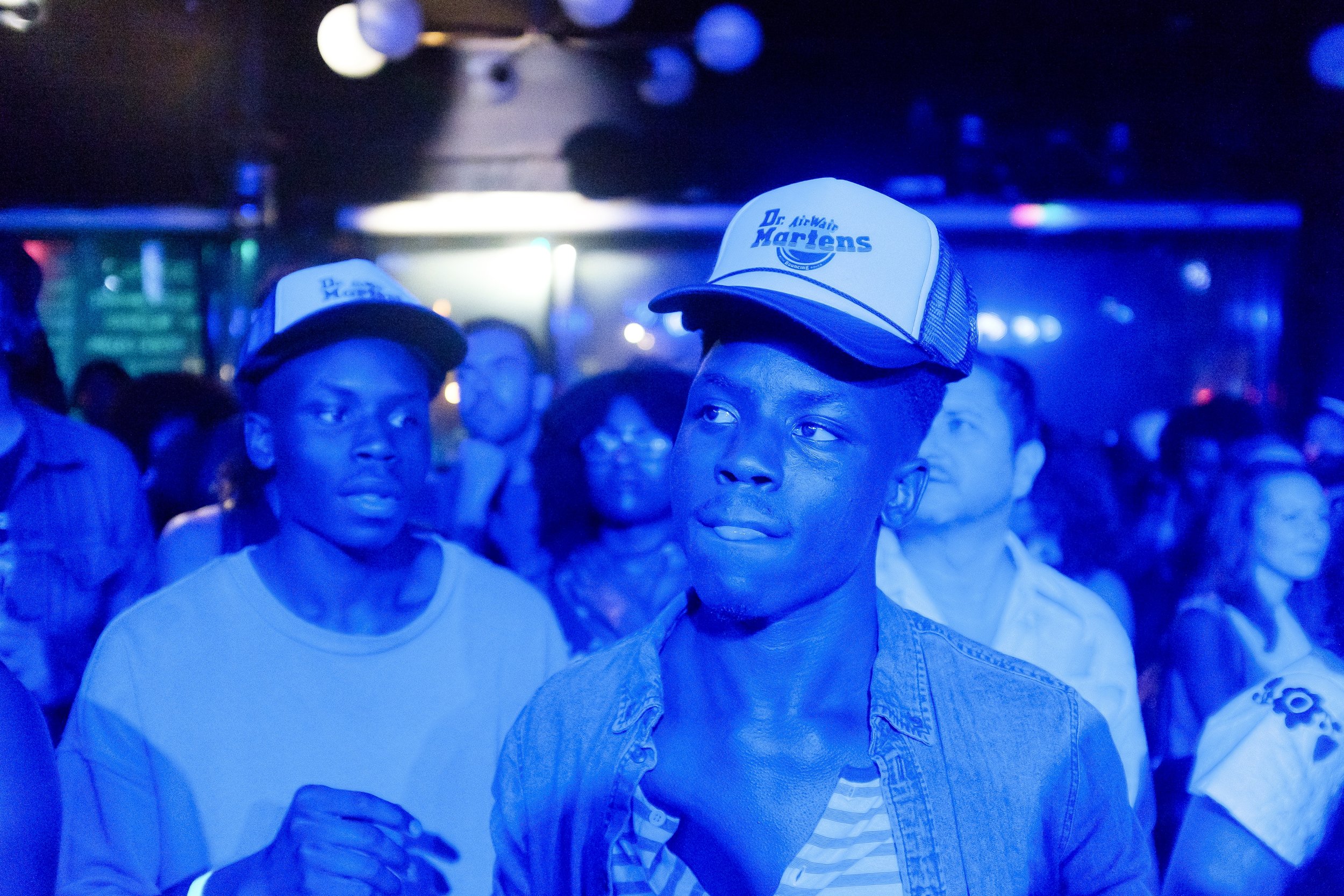
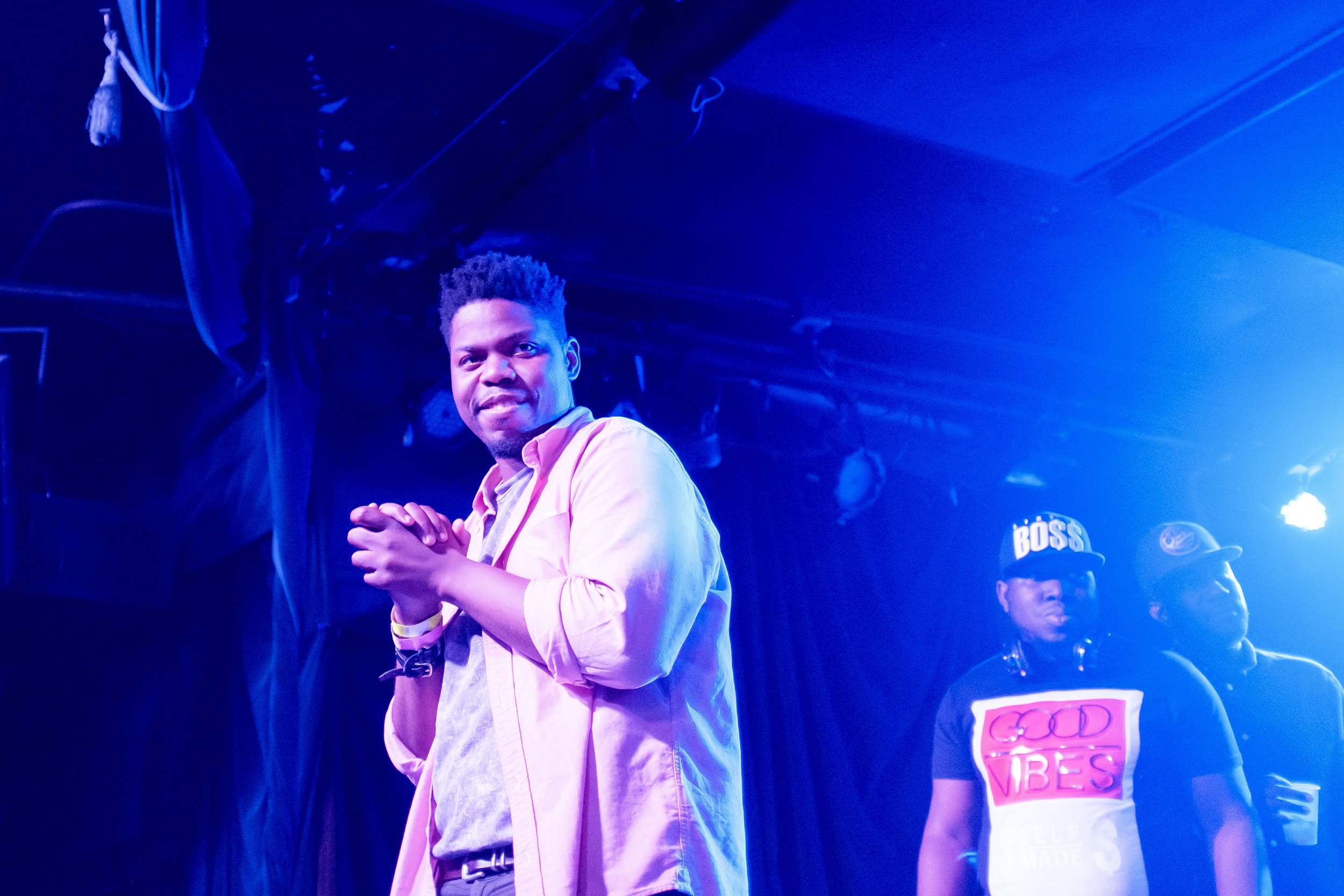
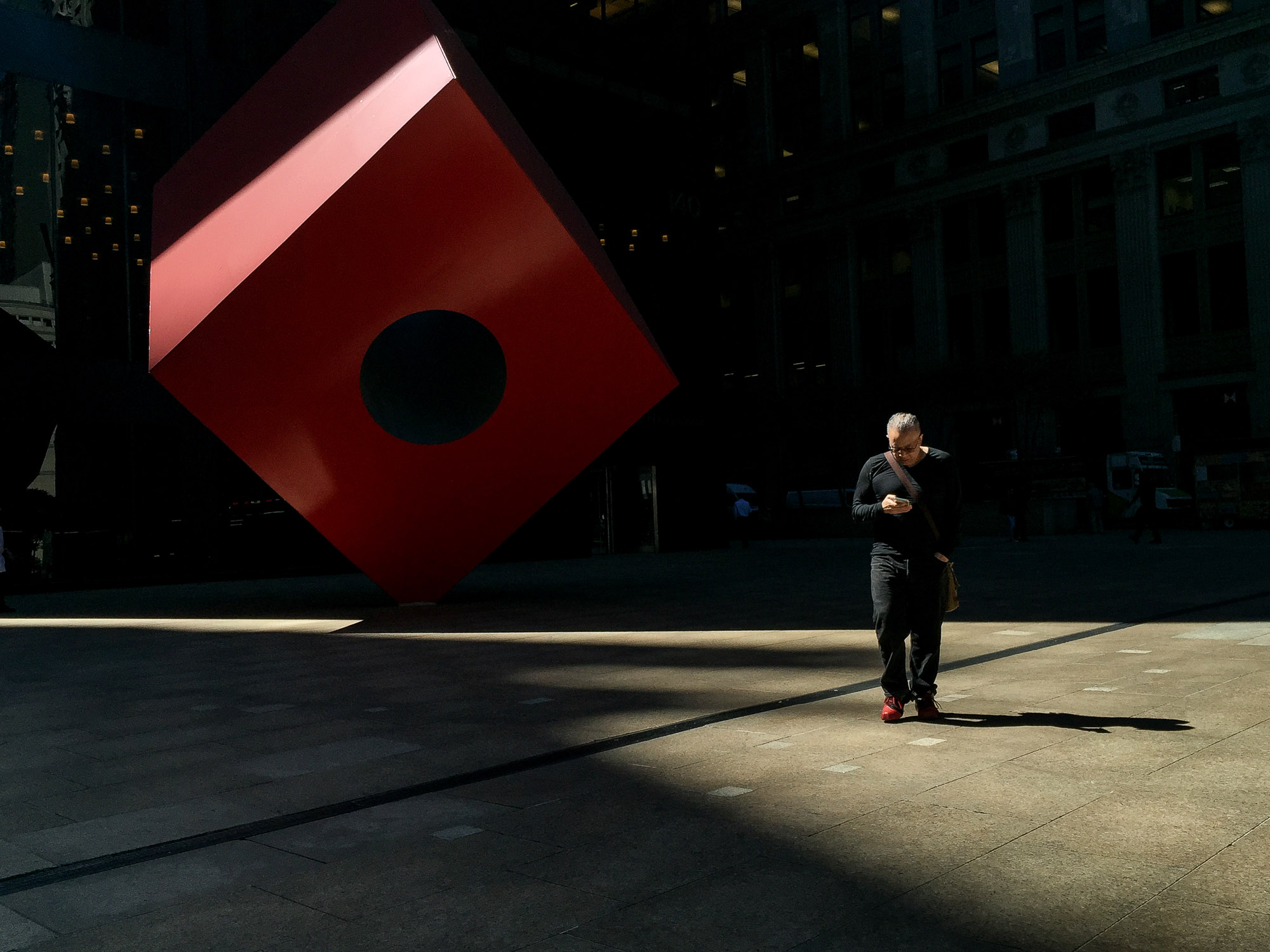
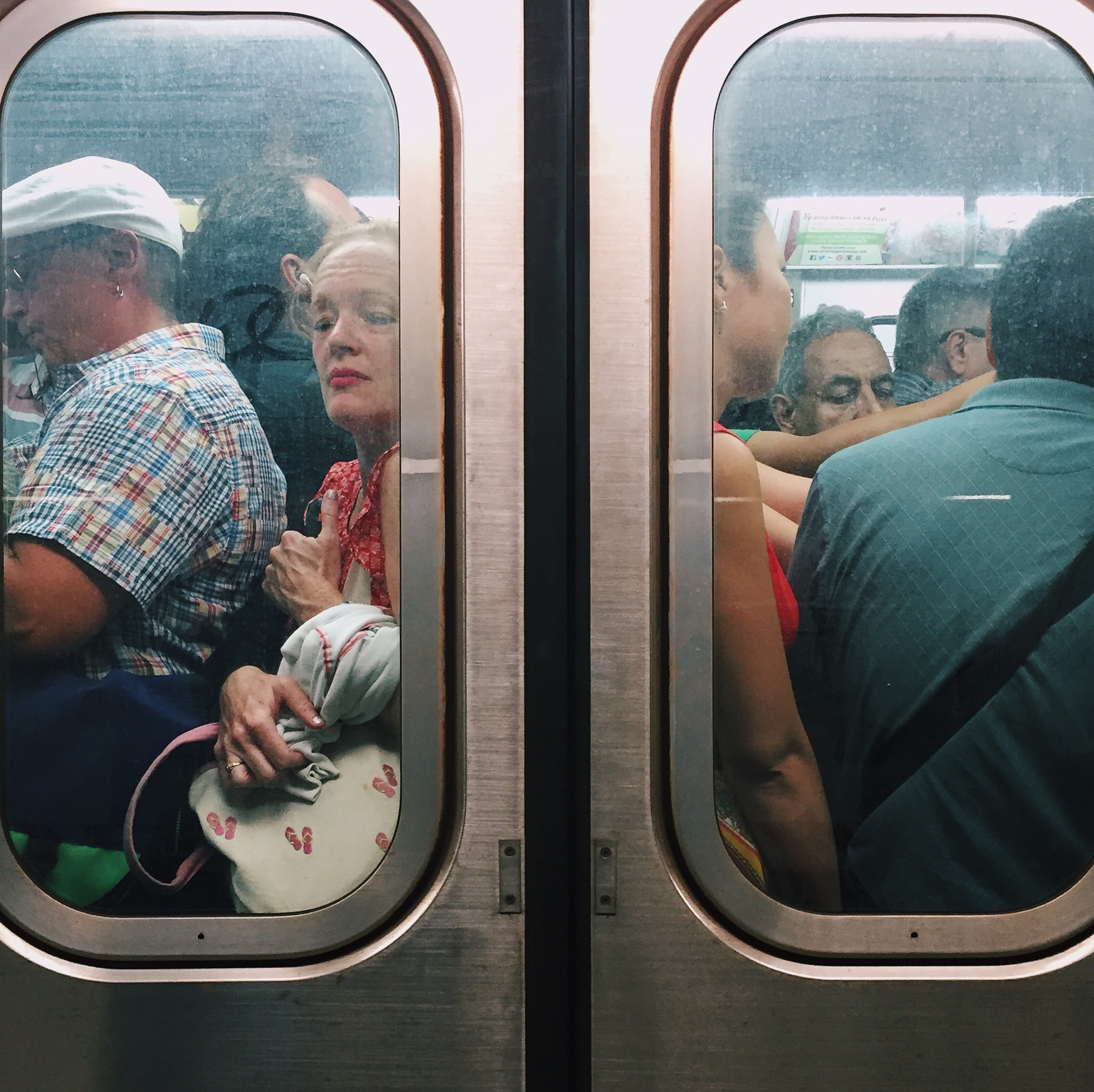
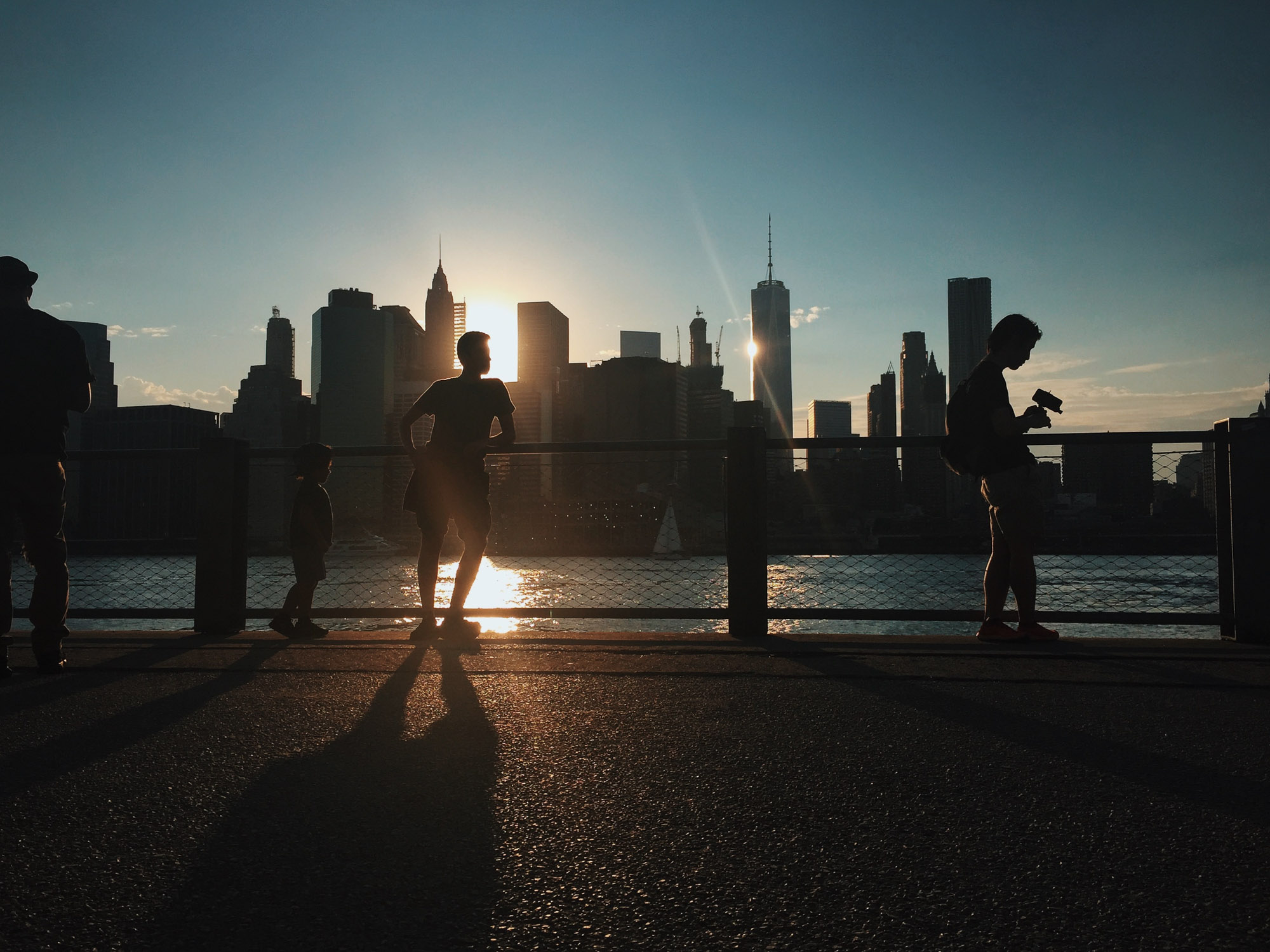
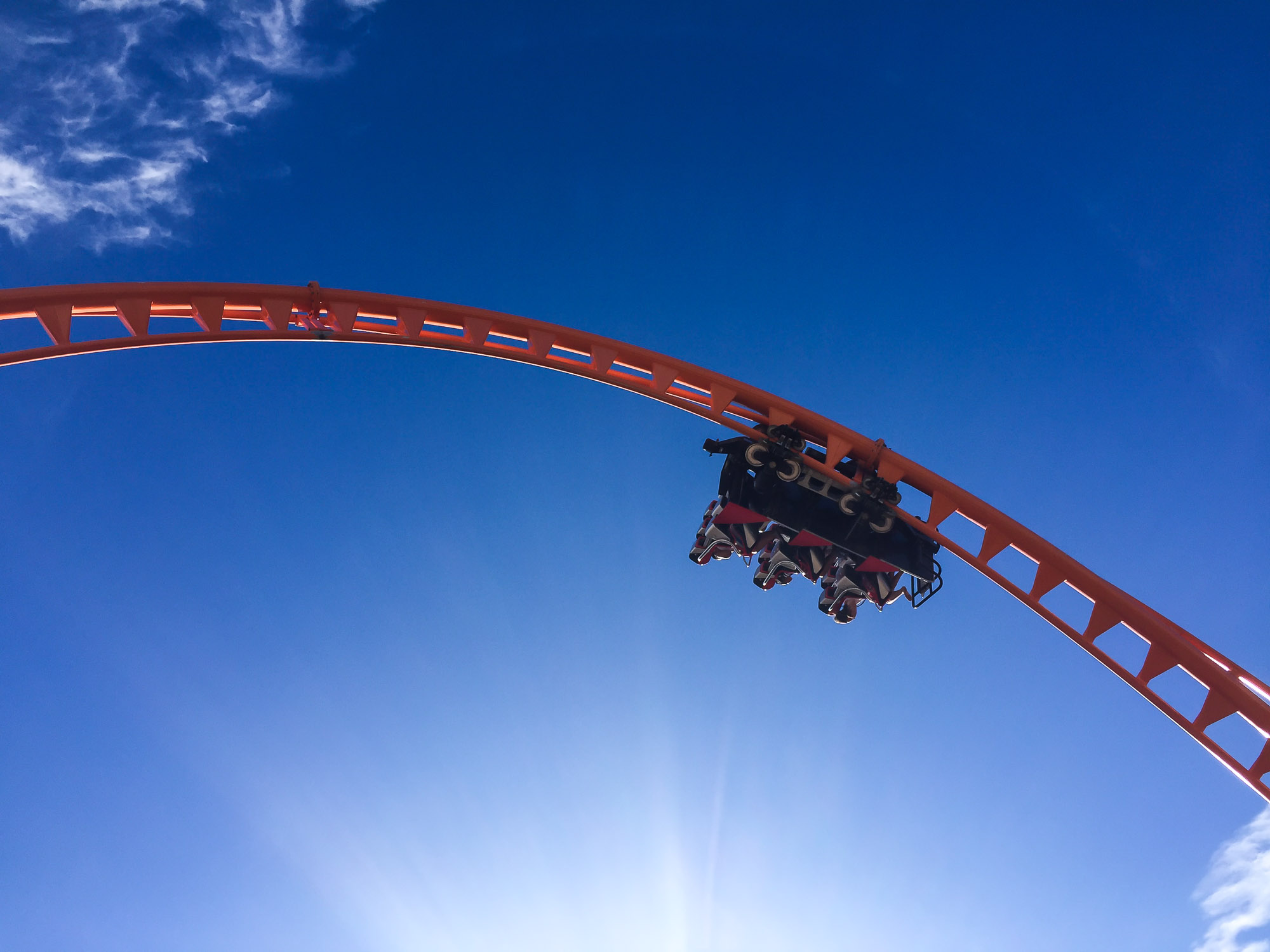
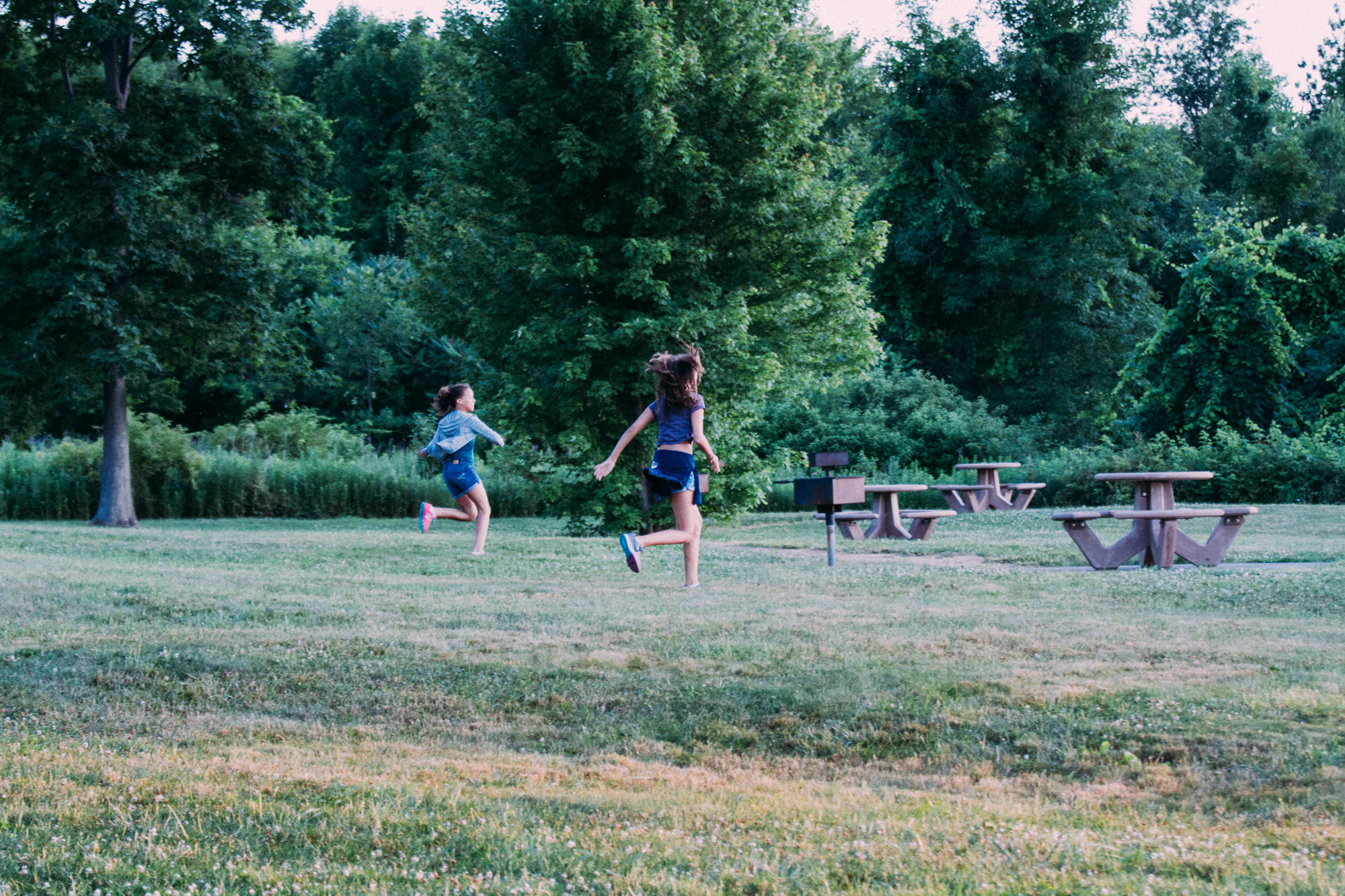
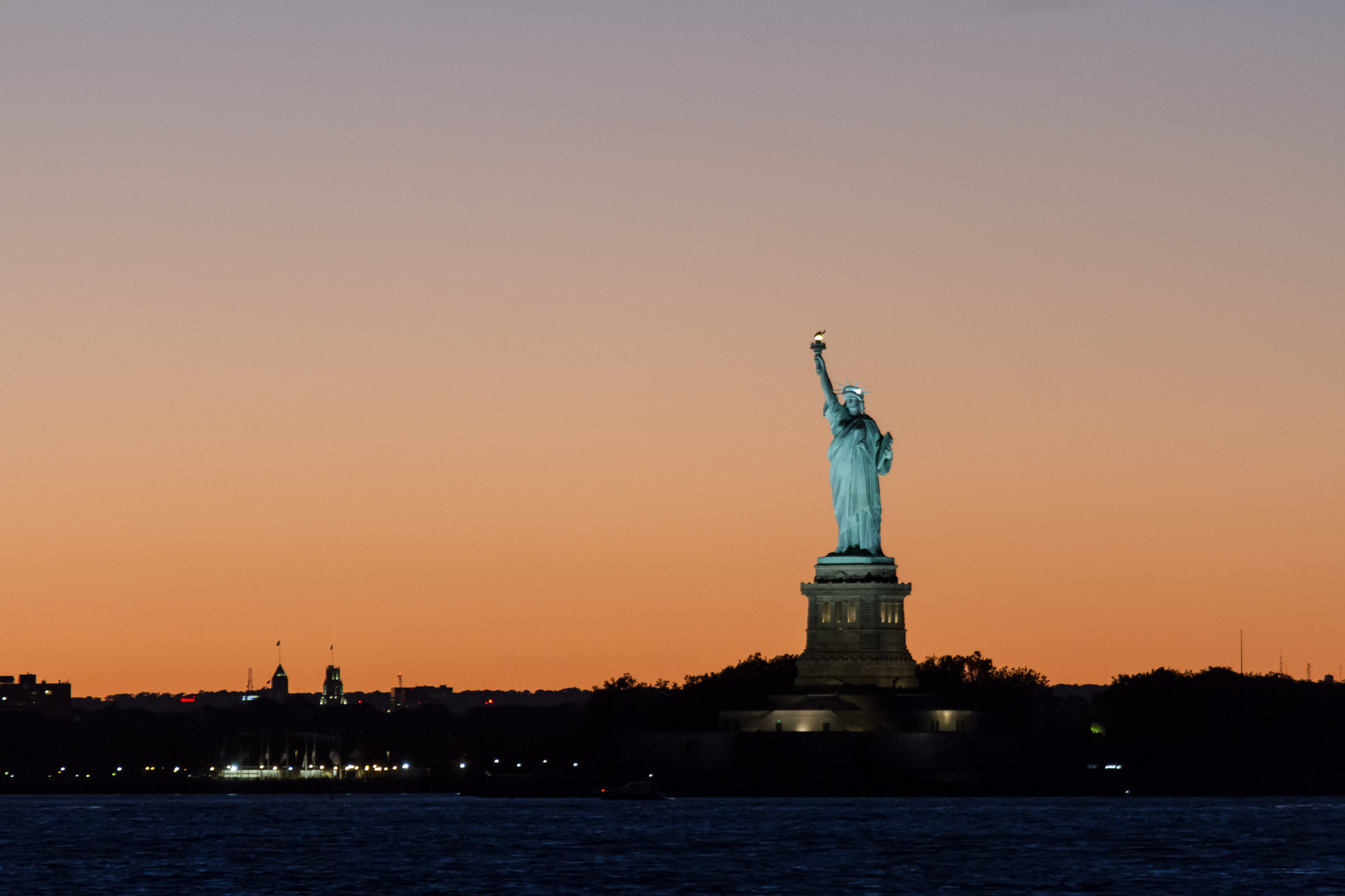
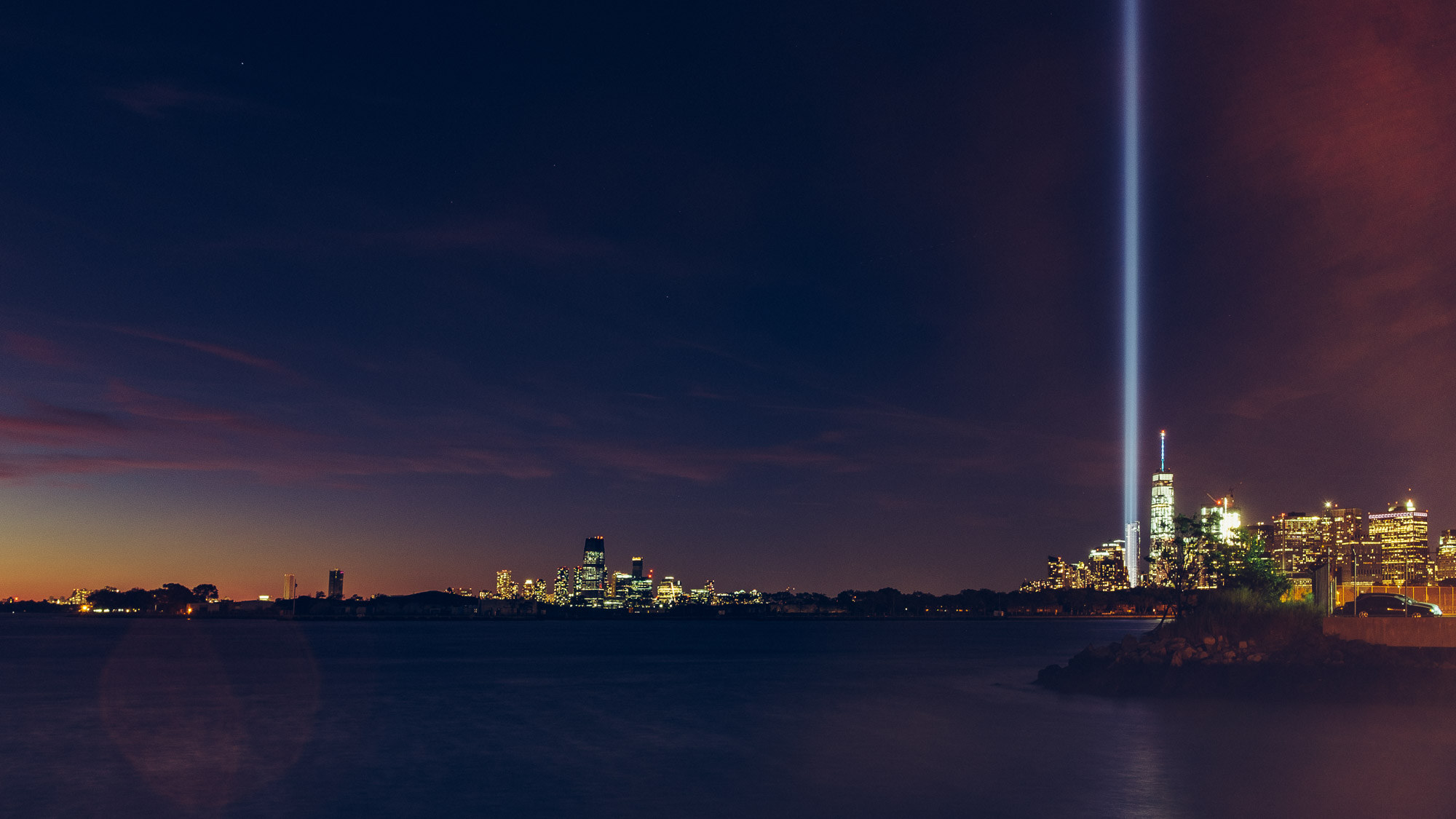
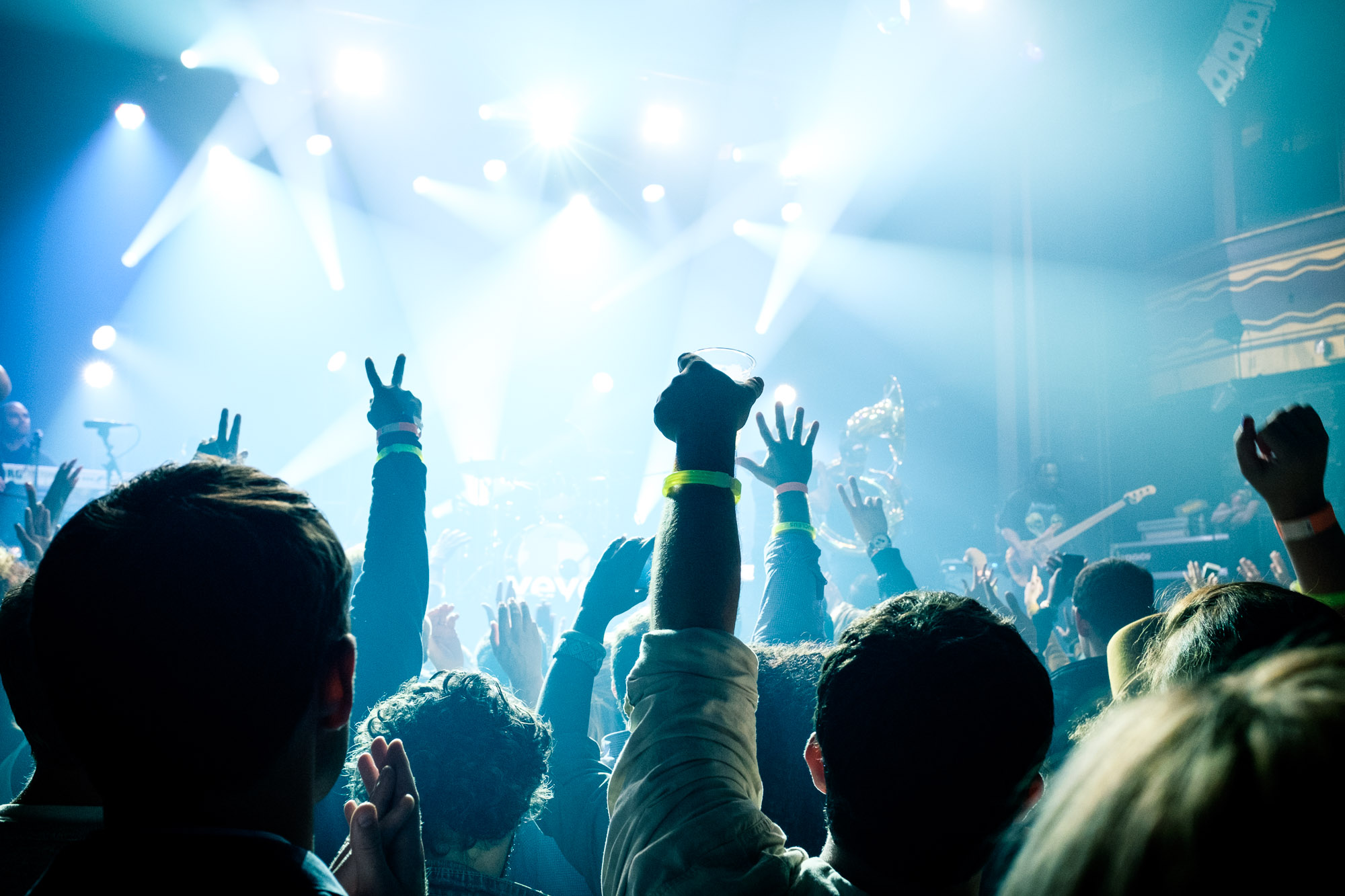
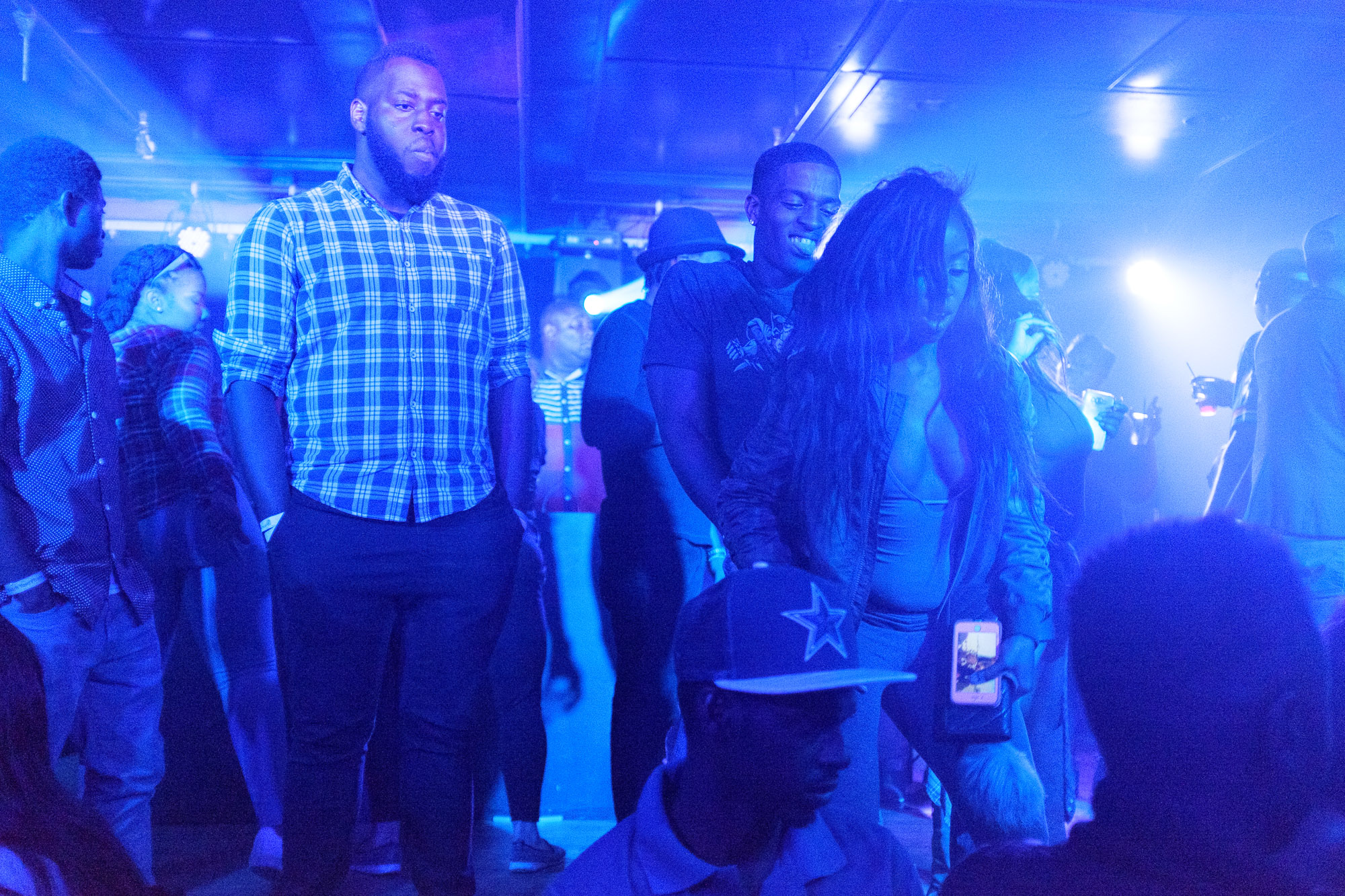
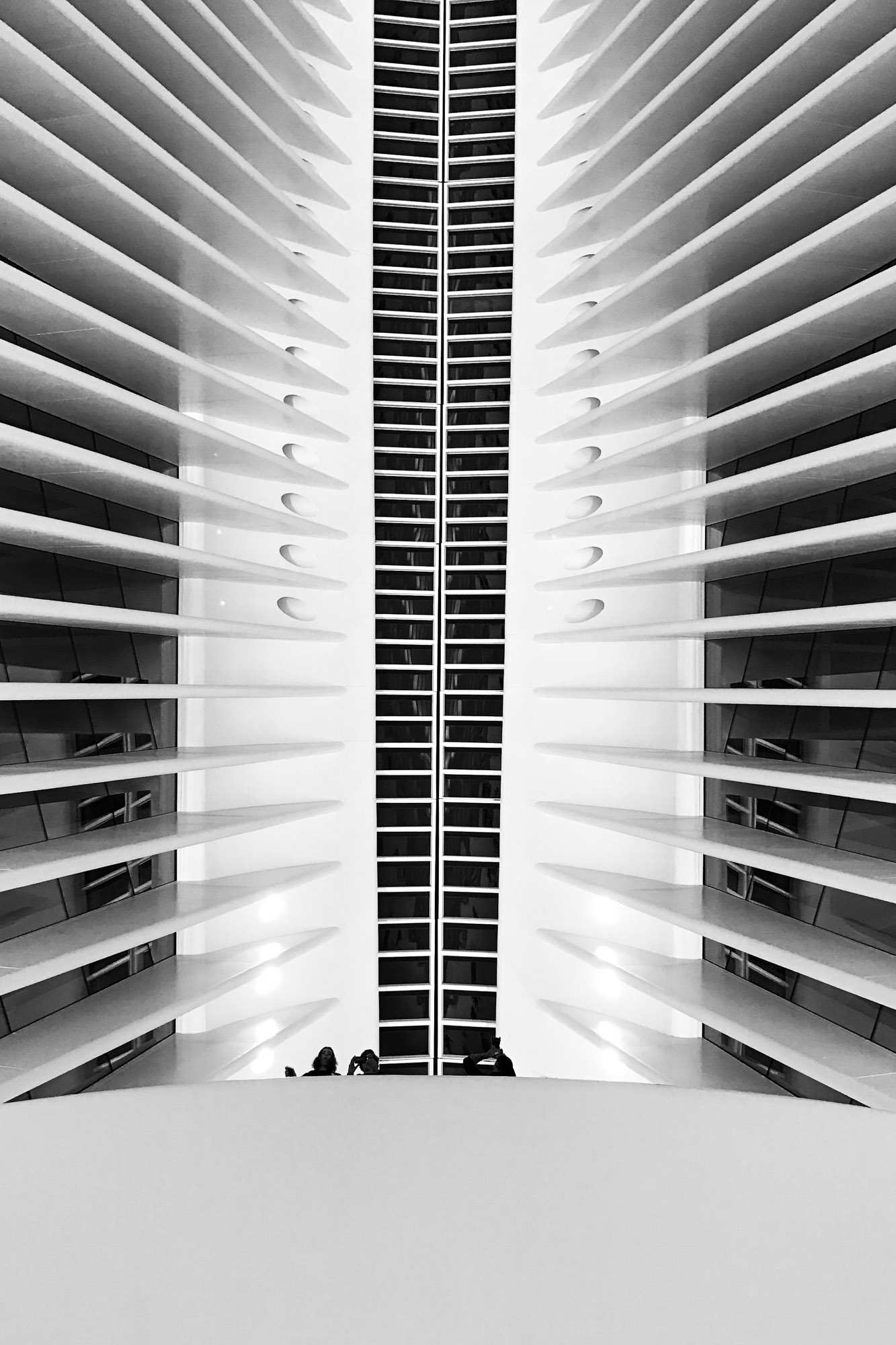
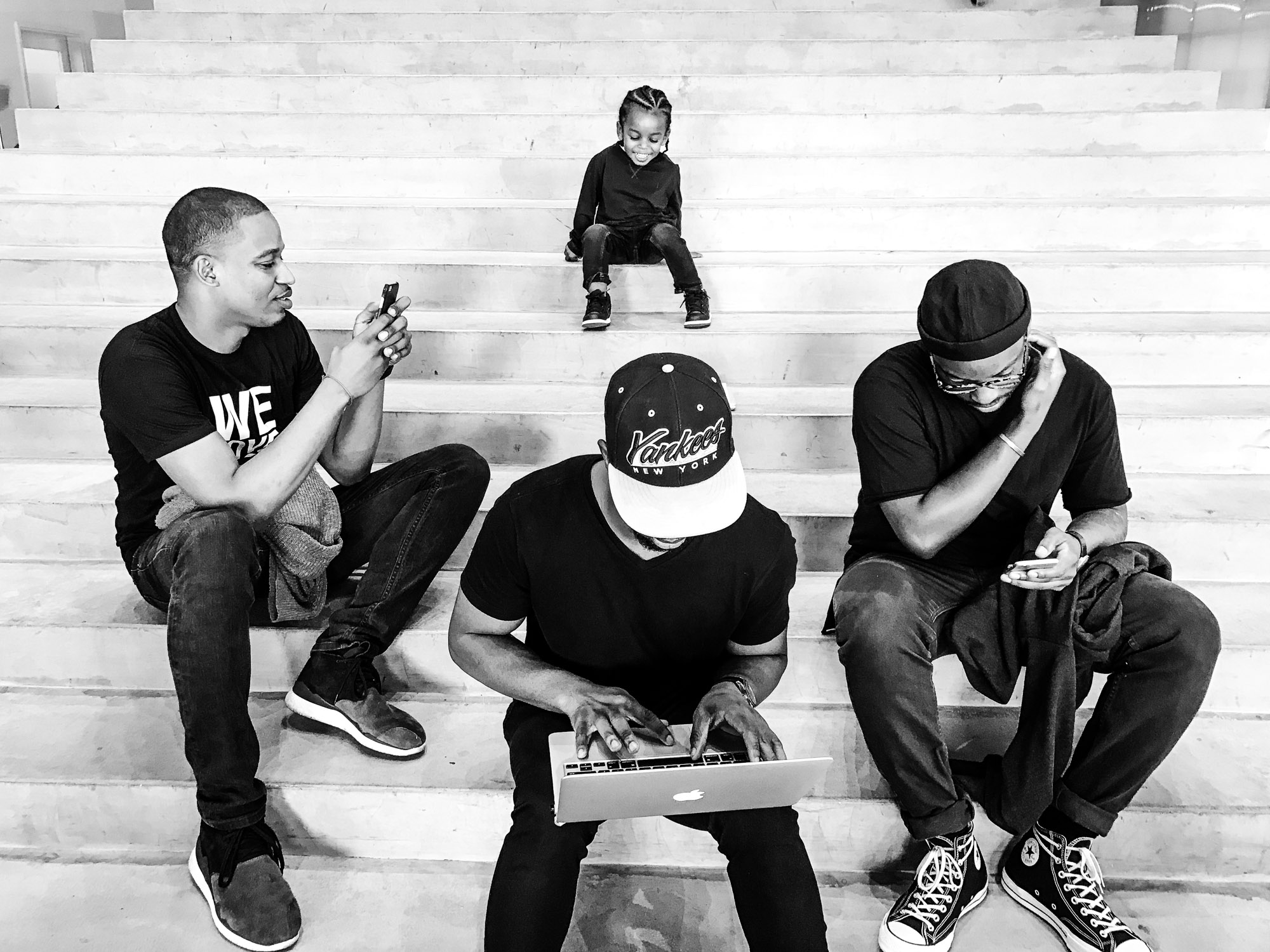
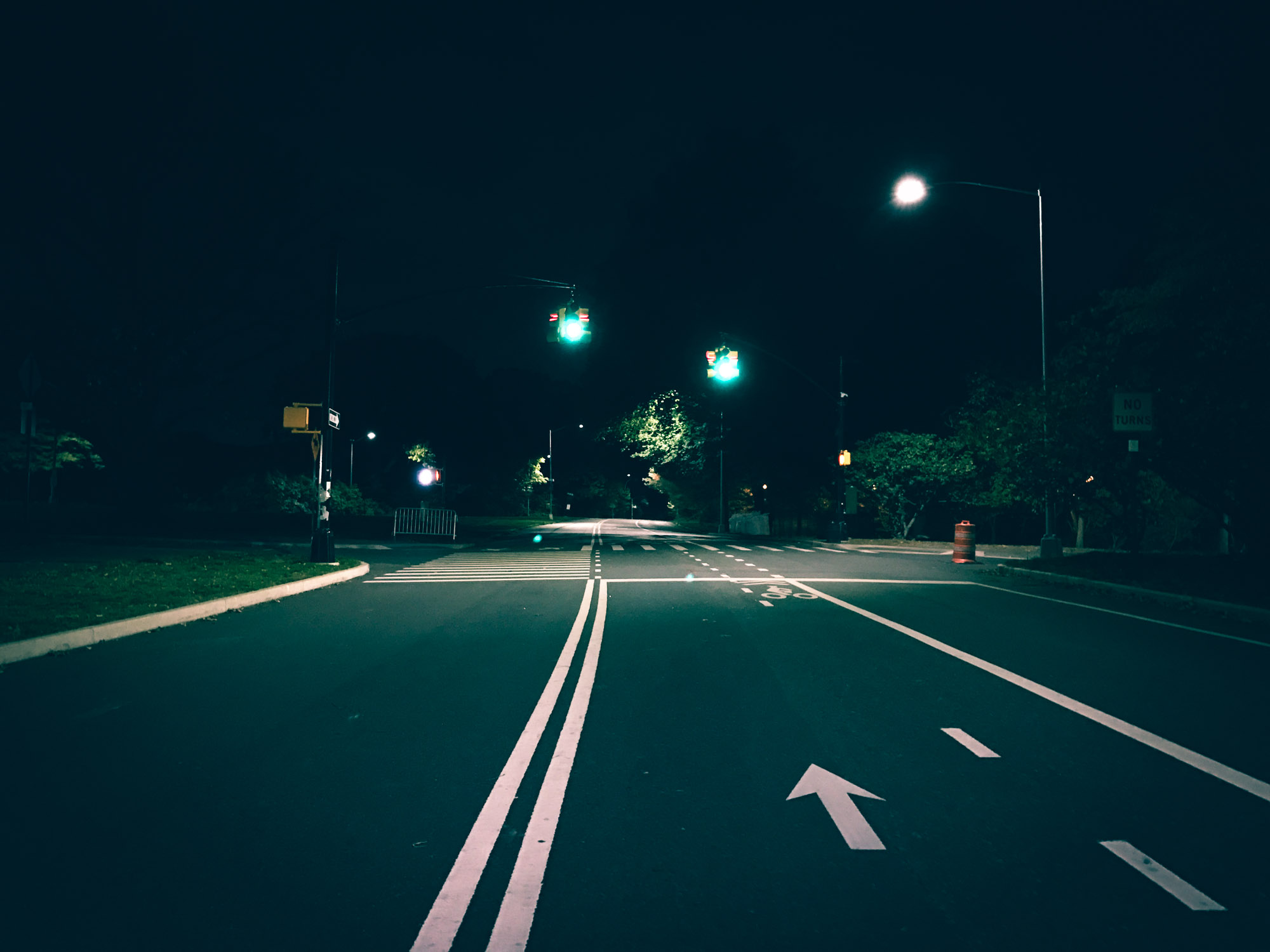
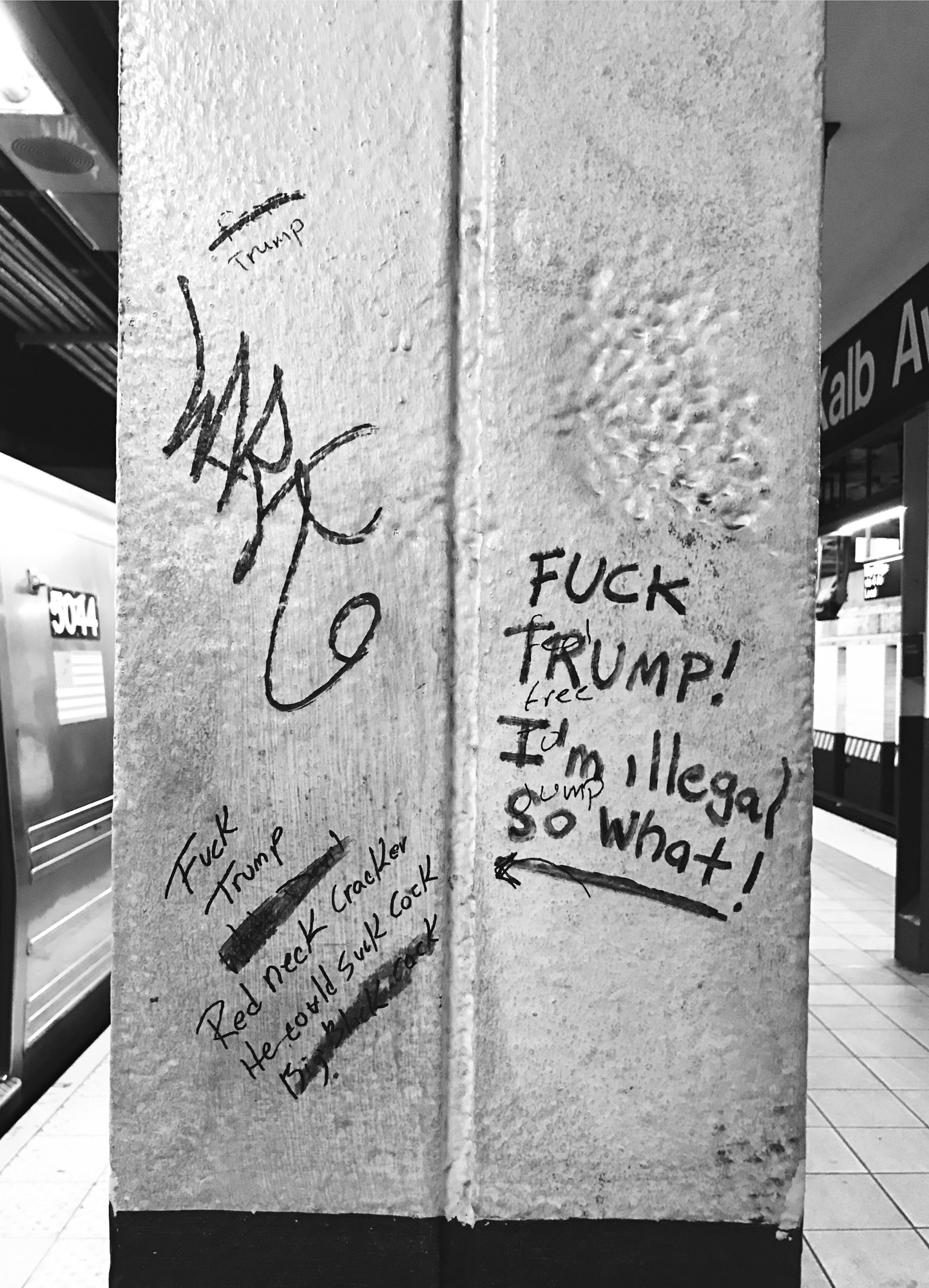
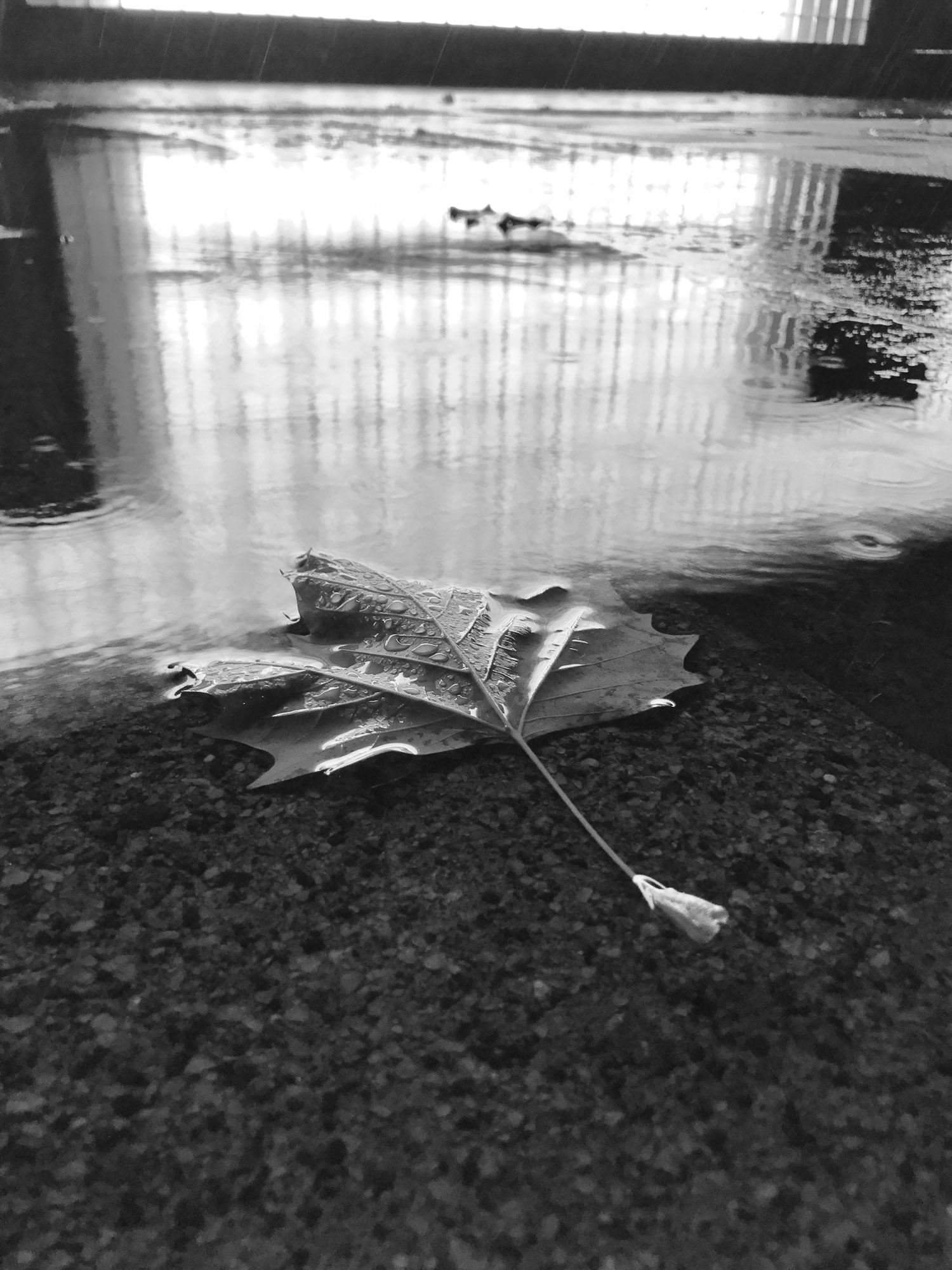
The other day, my wife and I were wondering if people would have lost their minds completely, if Prospect Park and the other parks in the city hadn’t been accessible for safe physical distancing during the pandemic. It made me appreciate Prospect Park—and our good fortune to live so close to it—that much more. I got up early the other morning, when there would be fewer people, and made a few photos with my drone, to get a bird’s eye perspective.
iPhone 11 Pro x Moment 15mm Fisheye
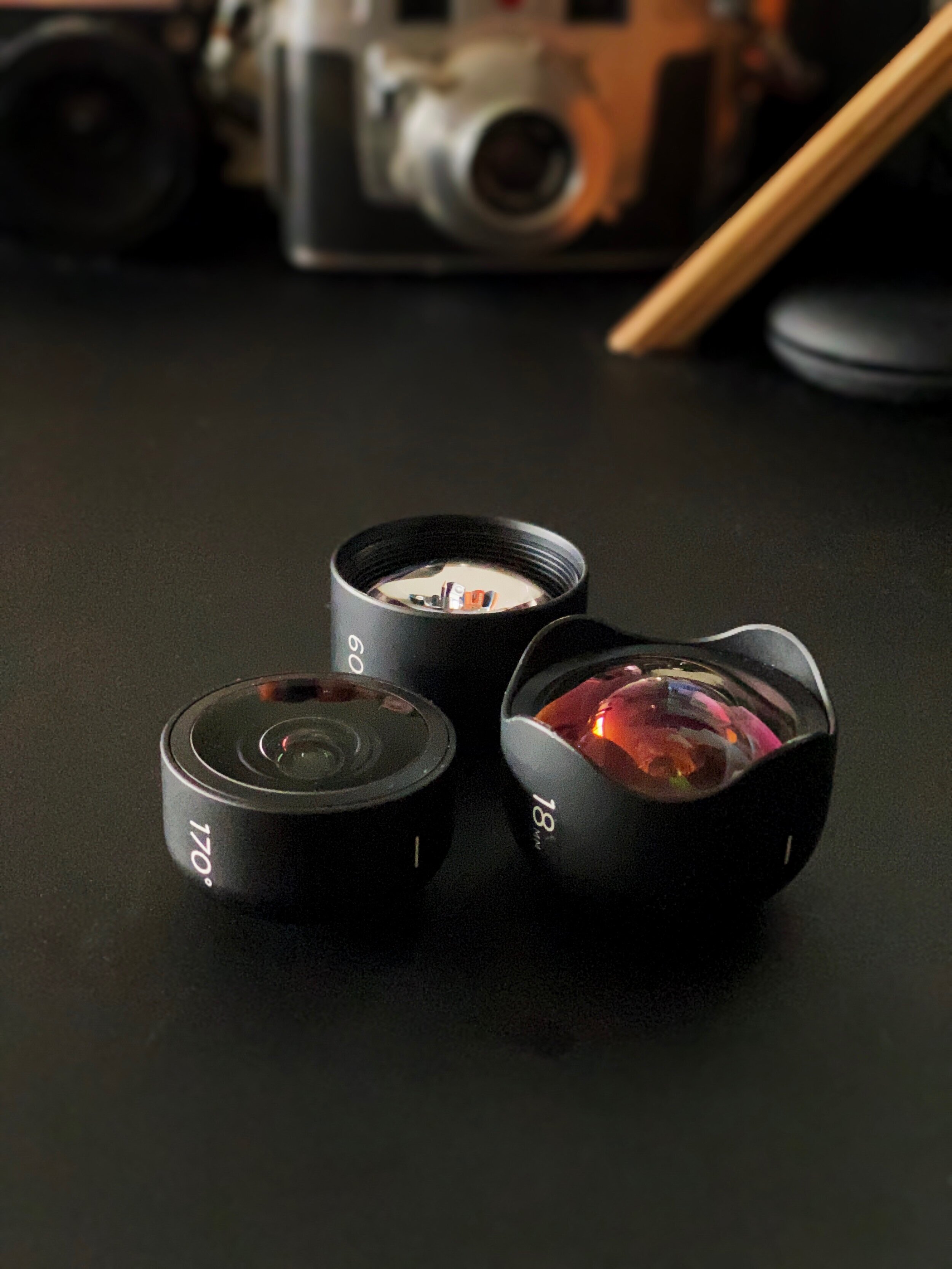
Now that I’ve had the iPhone 11 Pro for a few months, I just wanted to do a quick post about the value of using Moment lenses with this phone. I have the Moment 60mm, which is a telephoto equivalent; the Moment 18mm Wide Lens, and the Moment 15mm, or "Superfish", and I used them all regularly with my iPhone 7.
My Moment collection
But when the iPhone 11 was first announced, I wondered about whether these lens attachments would still be as useful, given that the iPhone now has those focal lengths covered with its built-in trio of lenses. Also, the Moment lenses require having a Moment case, with its bayonet lens mount, but the new iPhone 11 cases didn’t ship until sometime in December. By the time I finally received mine, I’d kind of gotten used to not having access to my Moment lenses at all, and was getting along just fine without them:
My iPhone 11 Pro with Moment Case
Anyay, I finally got my case, but I wasn't using the lenses. It was just more convenient to not have to carry them around, plus I could be seamlessly switching between the focal lenghts of my iPhone's stock lenses.
I was out shooting some low-light photography, and I eventually figured out at least one answer for why you'd still want to use these lenses: Night Mode. Apple's Ultrawide lens (0.5x, as it's indicated in the iPhone's Camera app) is great, but is limited in a couple of ways. First, it's got a smaller aperture than the Wide (aka default or 1x) lens, meaning it lets in less light. It also doesn't work with Night Mode, which makes it doubly tough to use in low light situations. But, you can solve that by using one of Moment's Wide or Fisheye lenses stacked on top of the built-in iPhone Wide lens:
As you can see in the images above, Night Mode is impressive, but with the Moment 15mm Fisheye (fka the Moment "Superfish"), the field of view improves dramatically. These images are straight out of camera, with no adjustments, though as a matter of preference I'd normally correct some of the fisheye distortion using the Moment Pro Camera App.
Just as a matter of comparison, here's an image shot with the built-in iPhone 11 Ultrawide:
Same scene as the first two images, shot with the Ultrawide
My intention with this comparison isn't to disparage the Ultrawide; it's a fantastic addition to the hardware, and I'm willing to bet it'll get improved optics on Apple's next iPhone, which is safe to assume we'll hear about in September. It's just to illustrate what a difference Night Mode makes, and to show how you can compound those advantages with an add-on like the Moment lenses.
Similar results are available on the other end of the spectrum; namely, stacking a Moment telephoto lens on top of the built-in Tele lens will get you that much closer to your subject. Just be aware that you won't be able to use Portrait mode, because when a Moment lens is mounted on the iPhone's 2x lens, it obstructs the iPhone's other lenses, which it uses to read the scene and generate depth of field and bokeh.
Attached Moment lenses block the iPhone’s other lenses
Theoretical Dollars
What am I supposed to do with this? This is a screenshot of my stats page on unsplash.com, a photography platform where photographers can share images without licenses for people to make cool stuff.
There’s a ton of really nice photography on that website - for the most part these images have been created by talented photographers with gear that they’ve paid good money for, and probably make a living with. Anyway, as a photographer, if you upload your work to this site, you are agreeing to let anyone, anywhere use it without any kind of licensing or payment. In fact, although it is encouraged, using these images doesn’t require a photo credit.
My images, as shown in this screenshot, have been viewed over 15 million times, and downloaded over a hundred thousand times; meaning used in an app, or posted on Instagram or Twitter, or something of that nature. I do get tagged on social media every now and then when people use my images, but it’s fairly infrequent, considering the metrics on these images.
So my question, again, is what am I supposed to do with this? I guess it’s reaffirming about my photographic abilities, that people are that interested in my work - actually, scratch that - it really does feel good that something I made has been viewed and appreciated to that level. But I haven’t gained any tangible value from all these many views and downloads. Nobody’s reached out to hire me for any photography gigs, or to purchase or license any of my other photographs. Maybe it’s my own fault, and I’m not leveraging all this traffic properly.
It kind of makes me think of the larger question of views and likes on social media in general, and what the point of them is. There was a South Park episode years ago that I think of every time I see these stats go up.
Anyway, the point of this post isn’t to cry about not getting rich from my images being used so many times, or even to slam Unsplash (I’ll leave that to Zack Arias). I voluntarily uploaded my photography there, knowing what their usage rules were. I guess I just need to figure out how I want to grow as a photographer, and learn to use this as a tool (one of many) to get there.
7-to-11 (Pro)
iPhone 11 Pro: Not Innovative, My Ass
That title paraphrases a quip Phil Schiller made when introducing the 2013 MacPro (aka the "Trashcan"). He made that remark in reference to people accusing Apple of failing to innovate in its products since Steve Jobs' death a few years earlier.
We hear the same accusations being made in the tech press every year, like clockwork, when Apple introduces its new iPhones too. I guess any writing criticizing Apple is sure to generate pageviews, so I get it. (Incidentally, nobody reads this blog, maybe I need to change tactics? 🤔)
Anyway, maybe the iPhone 11 and 11 Pro aren't innovative. Many reviews have been written since Apple's new flagships made their debut back in September, and they all make mention of the same form factor, same notch, same Face ID, etc. as the X/XS/XRs that were released in the last two years.
But I'm writing this from the perspective of someone who upgraded to an iPhone 11 Pro from an iPhone 7. From my experience, this new iPhone feels downright magical. The speed, the quality of the images I'm able to make with it; everything about is vaguely reminiscent of what it felt like to go from a Sony Ericsson canybar phone to my very first iPhone back in 2010, just on a less dramatic scale.
The iPhone 7 I upgraded from has absolutely nothing wrong with it, other than some scratches on the finish, and a battery that doesn't hold a charge as long as it used to, which is to be expected from a 3-year-old phone. Given that our devices are getting good enough that they're starting to last this long, I wonder if it isn't time to start writing these reviews with that in mind. Or at least, if we as fans of the technology, start to acknowledge that as we crave the next leap forward in innovation.
2018 Favorite Photos
I think this has to be a record for the most out-of-date year-in-review photo retrospective, but...#yolo?
In defense of myself, I had actually collected these images sometime in January-ish, and kind of forgotten about posting them; then I remembered, but then I abandoned them because it was too late for a year-end-recap post. Now, I've come back around to them, and have decided they're worth posting anyway, because they are some of my very favorite images, and I think they look nice as a collection. So damn the arbitrary cultural constraints of whatever time of year one is supposed to do this sort of thing, and enjoy.
I promise I'll try to have the 2019 collection up in a much more timely fashion (but who's kidding who - maybe see you in 2021?).
Catskills
Food & Family
This weekend, I took the train to New Brunswick, NJ, where my sister Sarah lives, to hang out for the afternoon. My other sister Andrea had driven up from Virginia the day before, and I was looking forward to just lounging around and hanging out with them. We didn't make any specific plans beforehand, but the baseline expectation when one or more of my sisters get together is that there's guaranteed to be a ridiculous amount of eating of delicious food going on. And drinks. Lots of drinks. This time was no different.
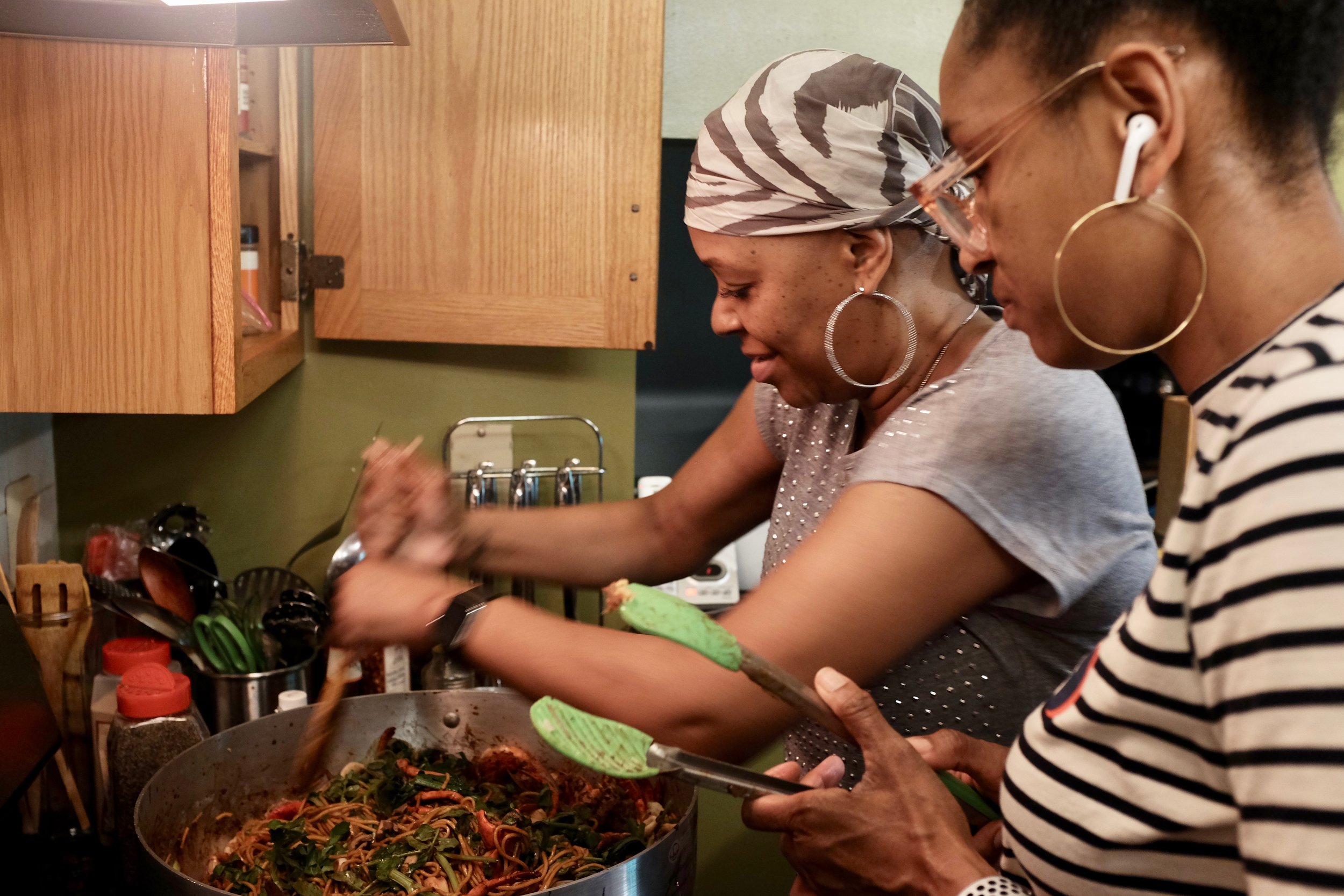
Andrea getting busy.
My sisters can cook their asses off. They're the kinds of chefs that can look at a recipe, and improvise, subsitute, remix it, and make it their own, on pure instinct.
Back in the day, when I first moved to Brooklyn and was making $4.63 an hour working at the Gap (where was Bernie Sanders back then?), Andrea and I would pick up a half chicken and fried rice meal from the bulletproof Chinese restaurant, and she'd throw some watercress and a handful of other fresh veggies and hot peppers in there, and elevate that shitty takeout into a meal.
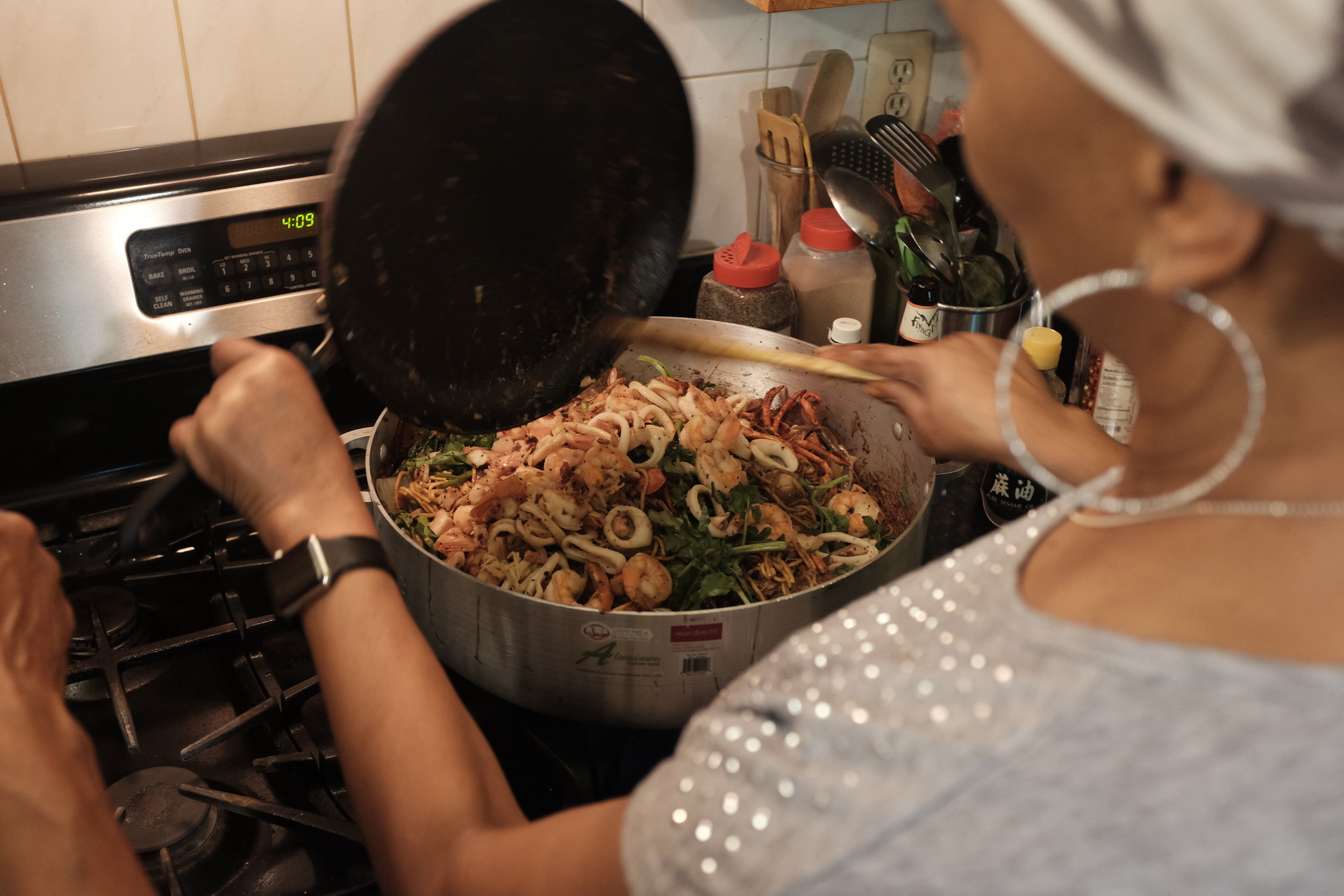
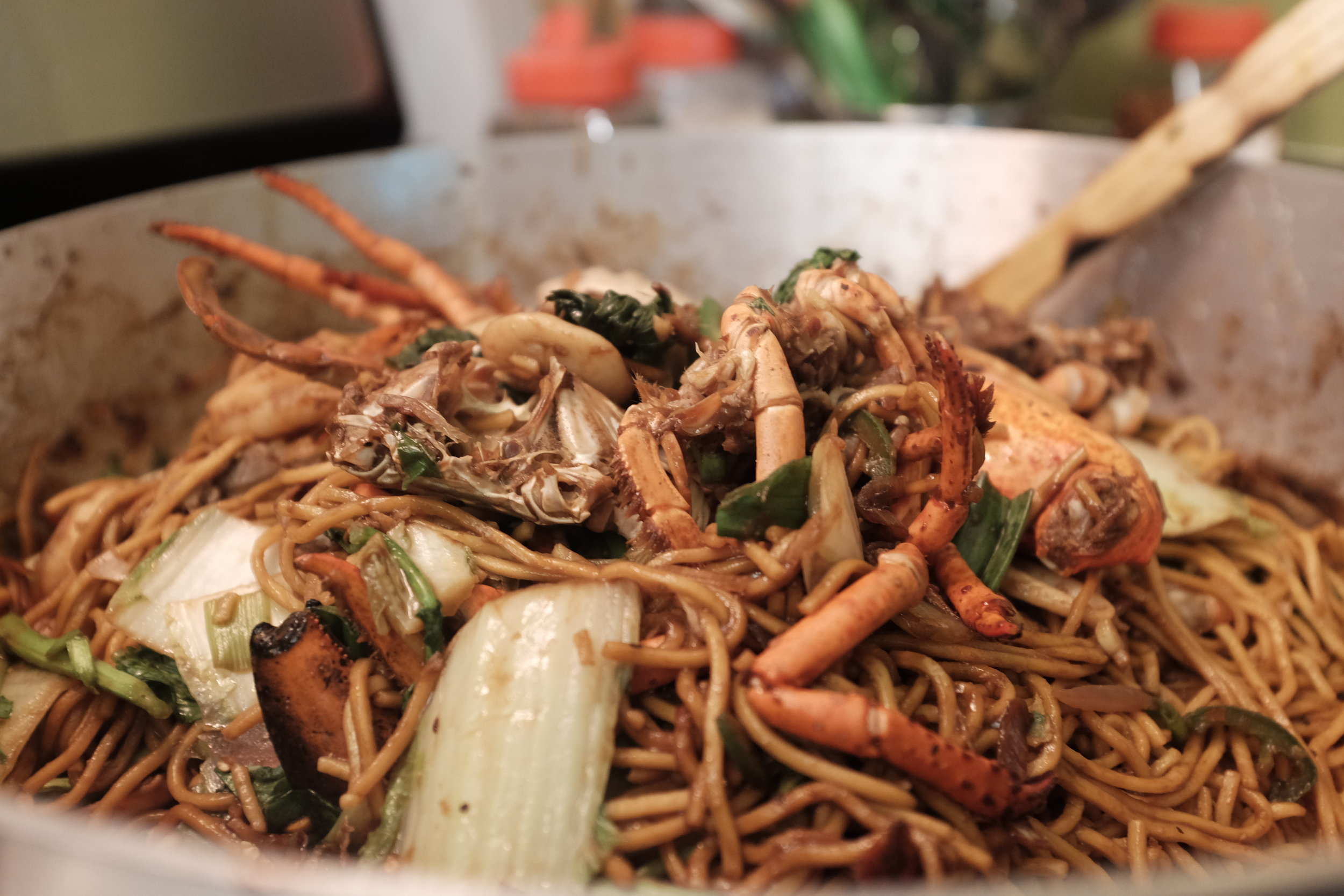
After a quick recon of what was in the freezer, followed by a brief run to the Asian grocery store for some fresh ingredients, the girls whipped up a lavish seafood noodle dish full of lobster, shrimp, crabs, squid, with crisp bok choi, scallions and a delicous spicy soy glaze.
I don’t know if these pictures do justice to the amount of food that Andrea and Sarah whipped up. But it was delicious, and we thoroughly enjoyed sitting around crunching through various types of seafood shells with gusto. And you better believe I brought home enough for several sets of leftovers (some of which I enjoyed at work today). Let’s do it again soon.
Commute - September 18, 2018
Labor Day 2018
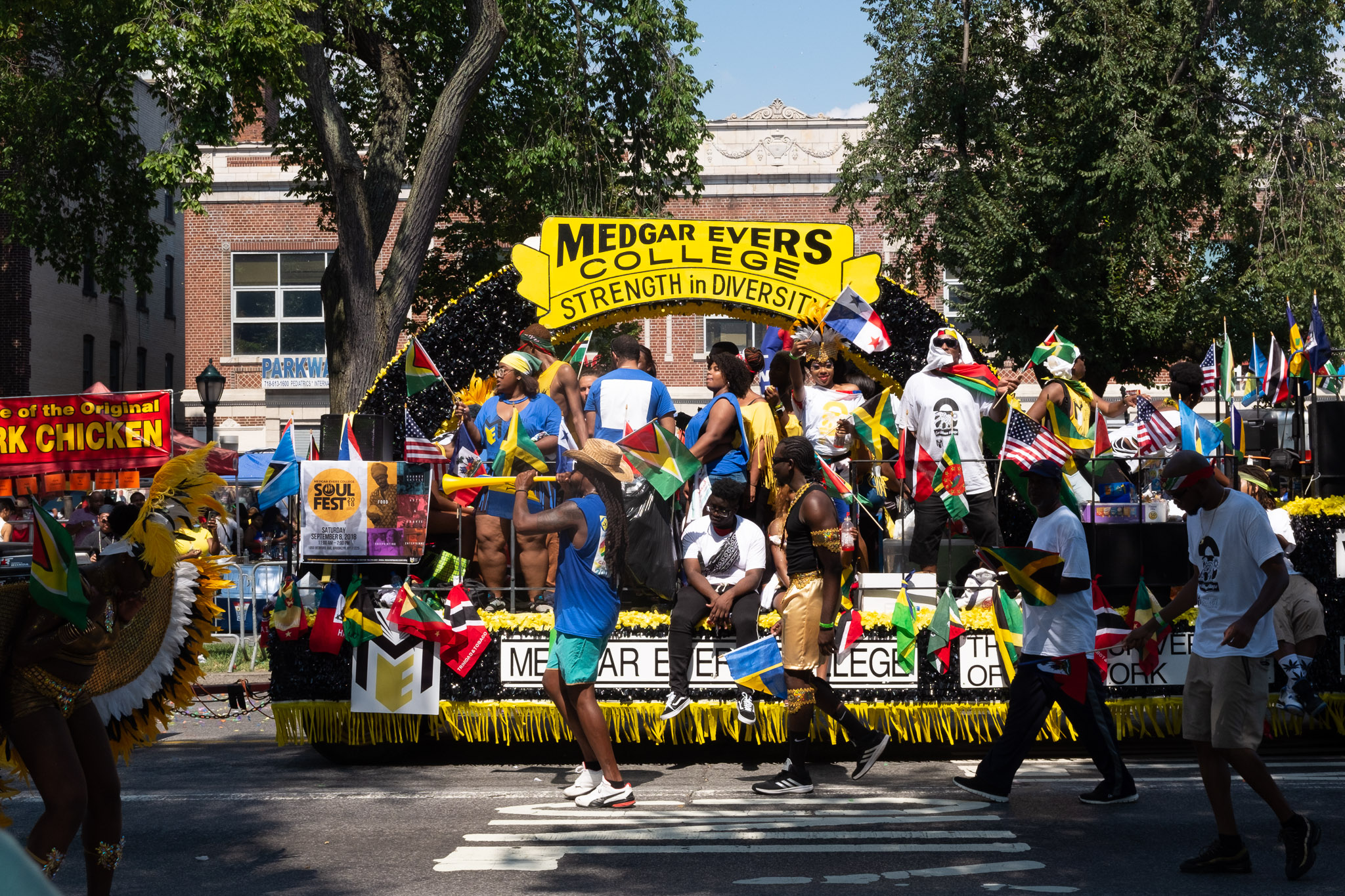
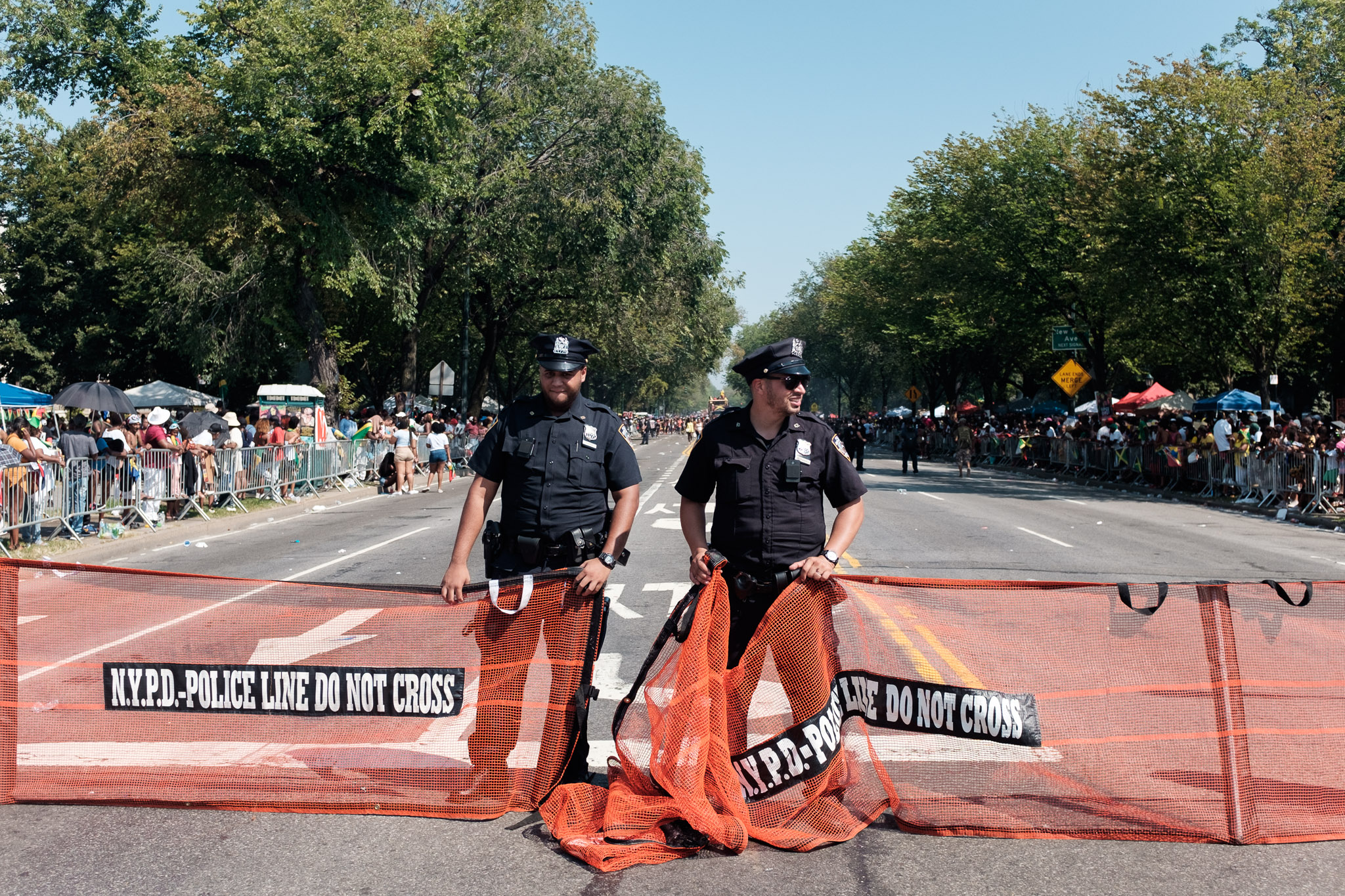
I genrally avoid the pandemonium that surrounds the West Indian American Labor Day weekend, even though I am a proud Guyanese American. It's crowded and loud, and sometimes it feels like an excuse for people to behave badly. But, every few years I decide to venture out onto The Parkway (aka Eastern Parkway) to take a few pictures and soak in some of the revelry. This year, despite the 96-degree temperatures and oppressive humidity, I had a good time.
As it took place a few weeks ahead of the New York primary elections, there were tons of politicians there, including Council Member for the 40th District, Matthieu Eugene; Senator Chuck Schumer, and Cynthia Nixon, who's challenging Andrew Cuomo for the position of governor of New York. My only photo of her was obsucred by a lady in front of me who got excited and started waving her flag around very vigorously.
Perfectly obscured by this flag, is candidate for governor of New York, Cynthia Nixon
Anyay, I'm glad I went, and maybe I'll find myself out there in another few years.
Pier 16, South Street Seaport. August 2018
Seafaring Seagull
Hanging with Stephanie at the Company's Garden in Cape Town
South Africa: Cape Town and Mabula Game Lodge
My wife Stephanie and I just got back from an incredible vacation to South Africa. We picked that destination the way we end up picking most of the destinations for our trips: Stephanie skims through travel deals that happen to correspond with the times that her school is closed for vacation, and if the price is decent, we pull the trigger.
Cape Town's Water Shortage
We booked the trip several months in advance, long before the critical water shortages that Cape Town has been experiencing started making international news. We were initially hesitant, and considered canceling the trip, because we had heard that there would likely be unrest as the water situation became more dire. Fortunately, Cape Town's water conservation intitatives have turned out to be quite effective, and "Day Zero"—the day that the reservoir will run dry—has been pushed back to 2019. This made us feel much more at ease about the trip.
In any case, we needn't have worried; other than being encouraged to take 2-minute showers, and finding hand sanitizer instead of working faucets in many public restrooms, we didn't really feel the effects of the water shortage at all. Probably a side-effect of visiting as a tourist; I'm sure the experience is still much different for residents.
Getting There
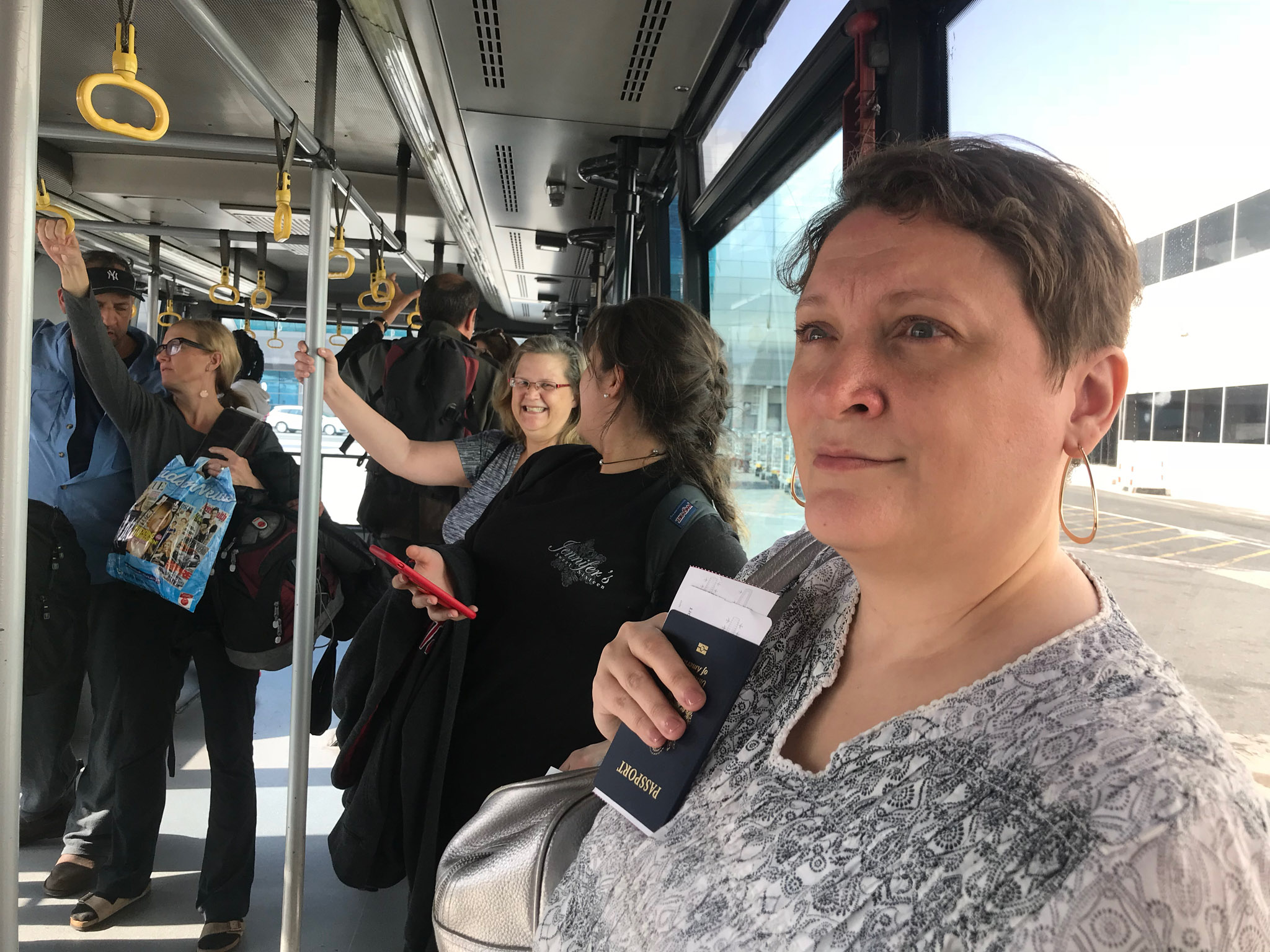
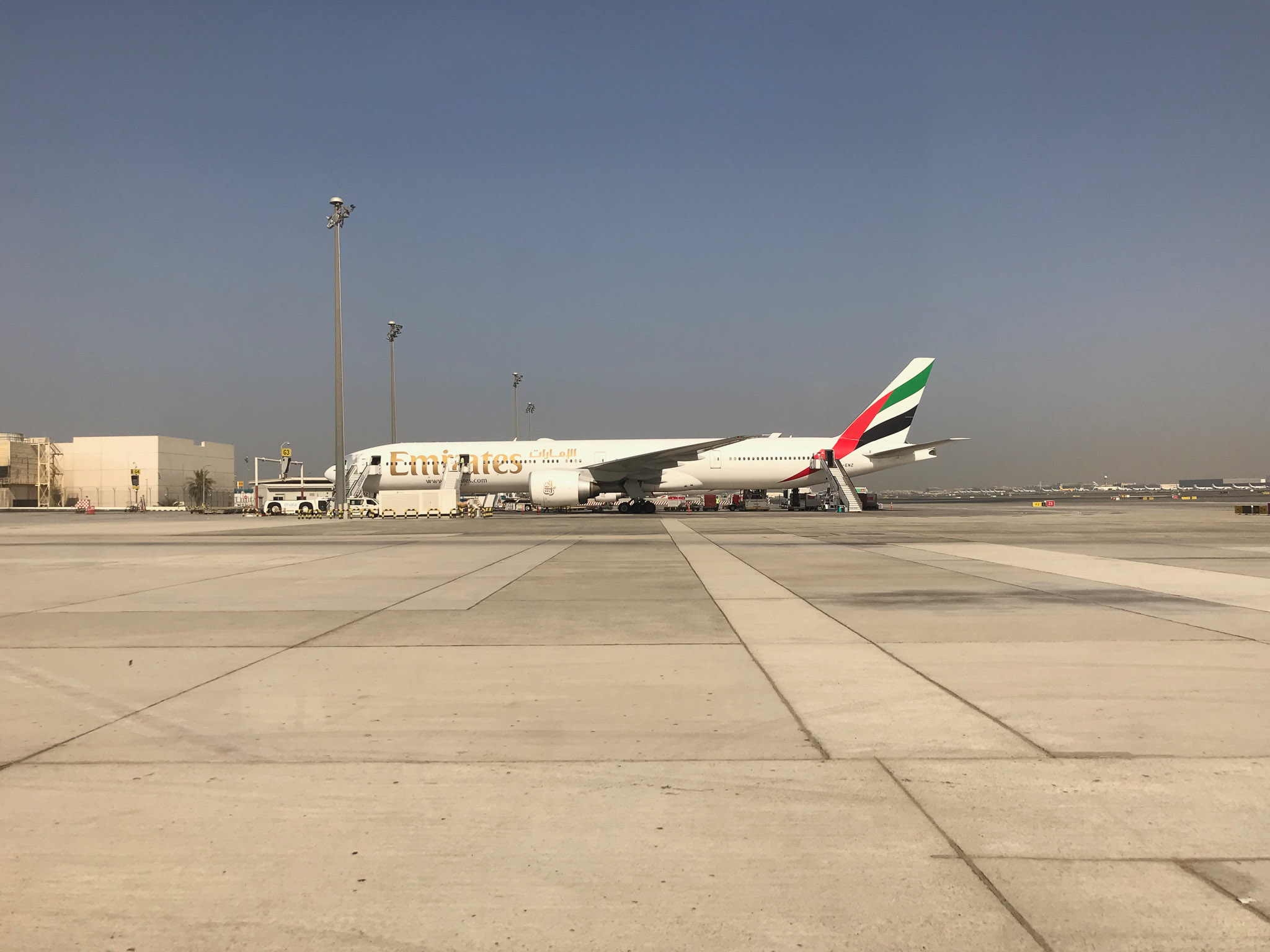
We flew Emirates, which resulted in a pretty circuitous route to Cape Town via Dubai. That added up to over 22 grueling hours of flying, despite the comforts of the very fancy Emirates service (yeah, even in Economy class). Sadly, we didn't get to see any of Dubai, other than a hazy glimpse of the Burj Khalifa tower off in the distance as we were bussed across the tarmac to our connecting flight.
Cape Town, as seen from Table Mountain
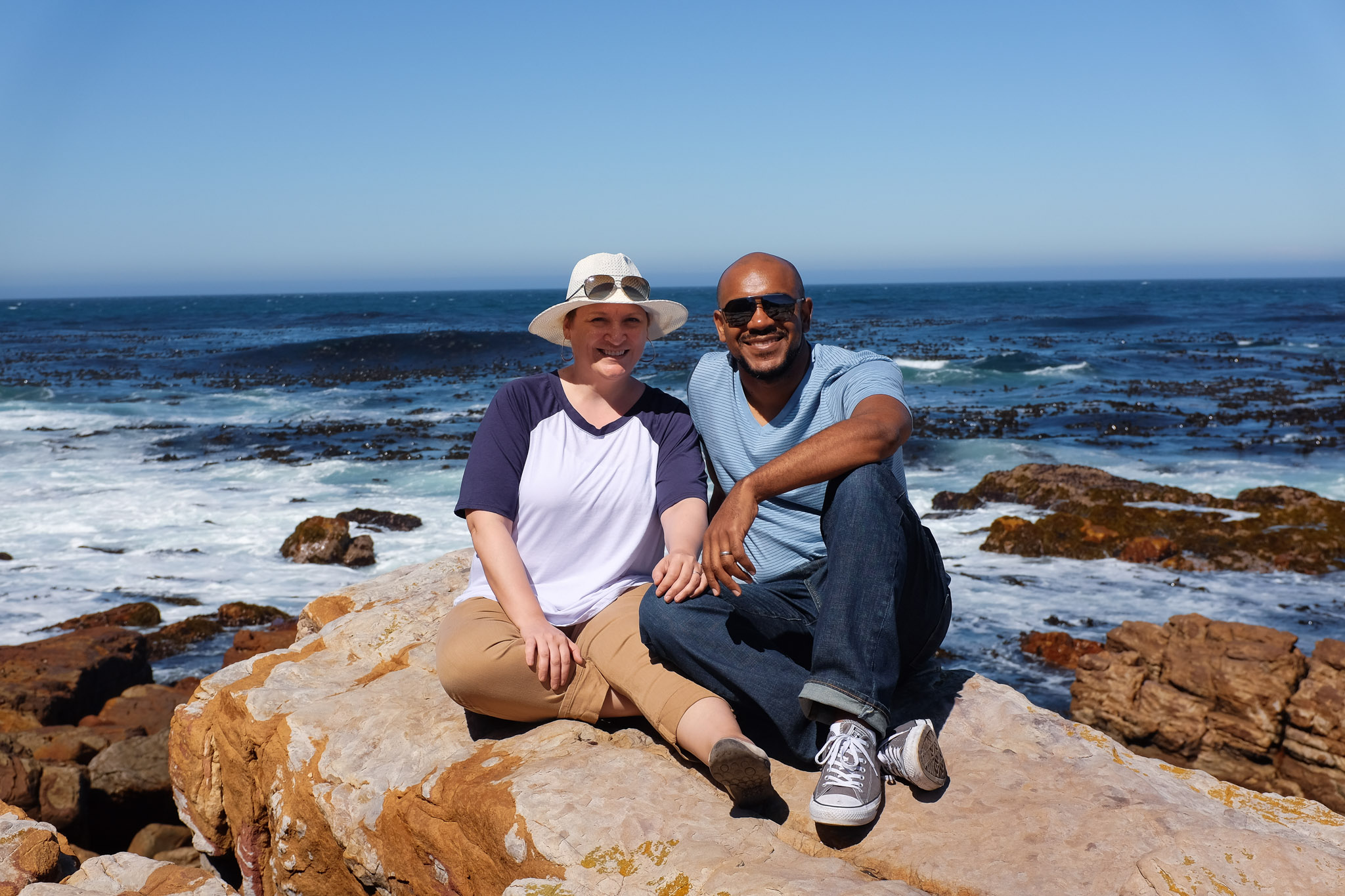
We booked our trip through Gate 1 Travel, which meant we were part of a tour group of about 40 people. Our Cape Town itinerary took us through some of the city's major landmarks, including Table Mountain, the Victoria and Albert Waterfront, as well as a drive down around the Cape of Good Hope and Cape Point. We stopped at a charming seaside town called Simon's Town, and visited with a penguin colony at Boulders Beach.
We had a little scare in Simon's Town as we headed back to the rendevous point for our tour bus, and realized that we, along with another family, had been left behind. I scrambled to call our tour guide's cellphone, and they came back and got us. Luckily, they hadn't gotten that far.
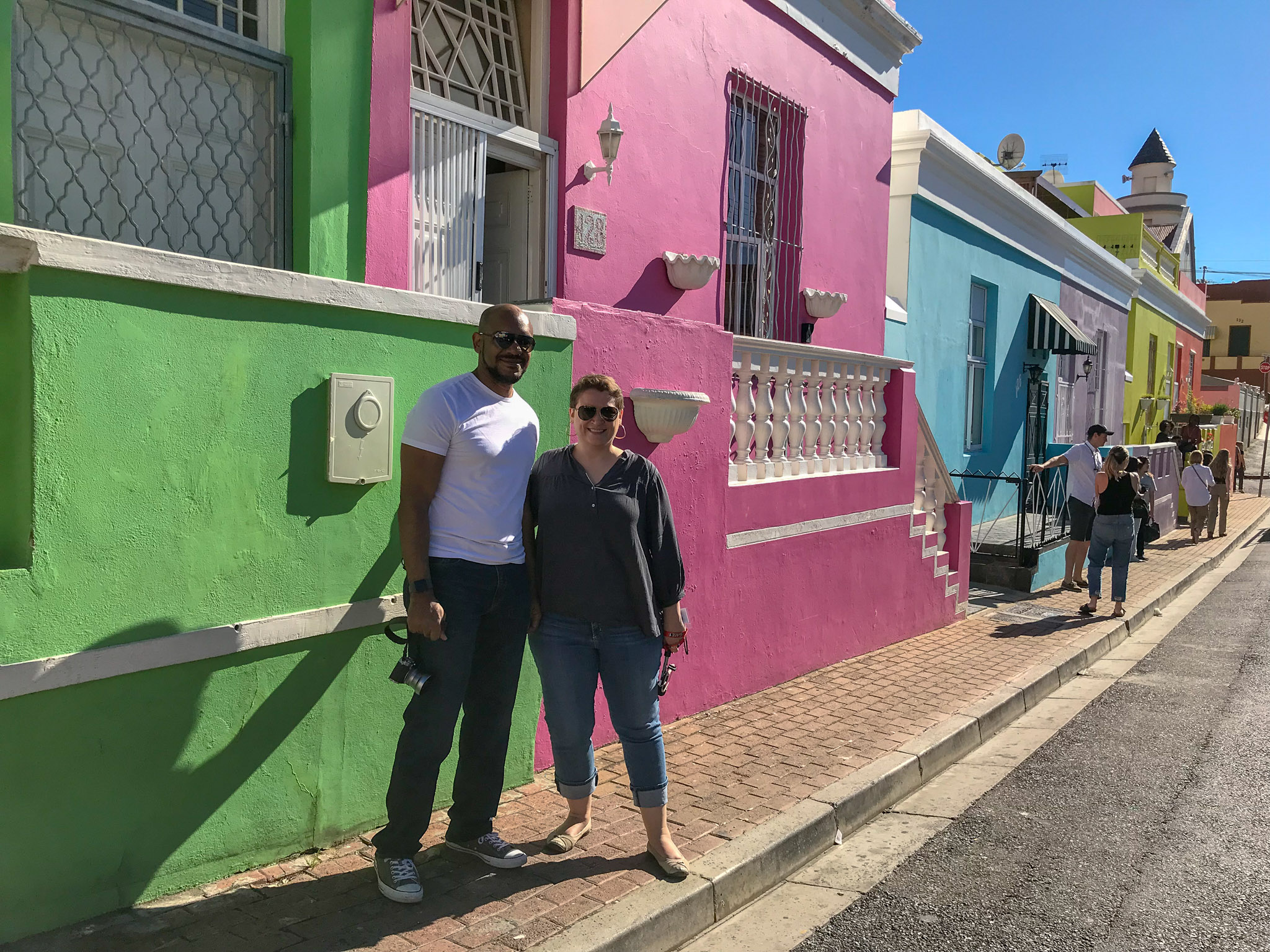
On our last day in the city, Stephanie and I opted out of the shark-cage diving and wine tasting activities that were offered as part of the tour, and decided to do our own thing instead. (Side note: we would have loved to go shark cage diving, but it would have entailed five hours of driving and no guaranteed sharks sightings.) We ended up visiting the Muslim Museum in Bo-Kaap, going paragliding from Signal Hill, taking a tour of Langa Township, and having a lovely dinner back at the Waterfront. I think we made the right choice.
Langa Township
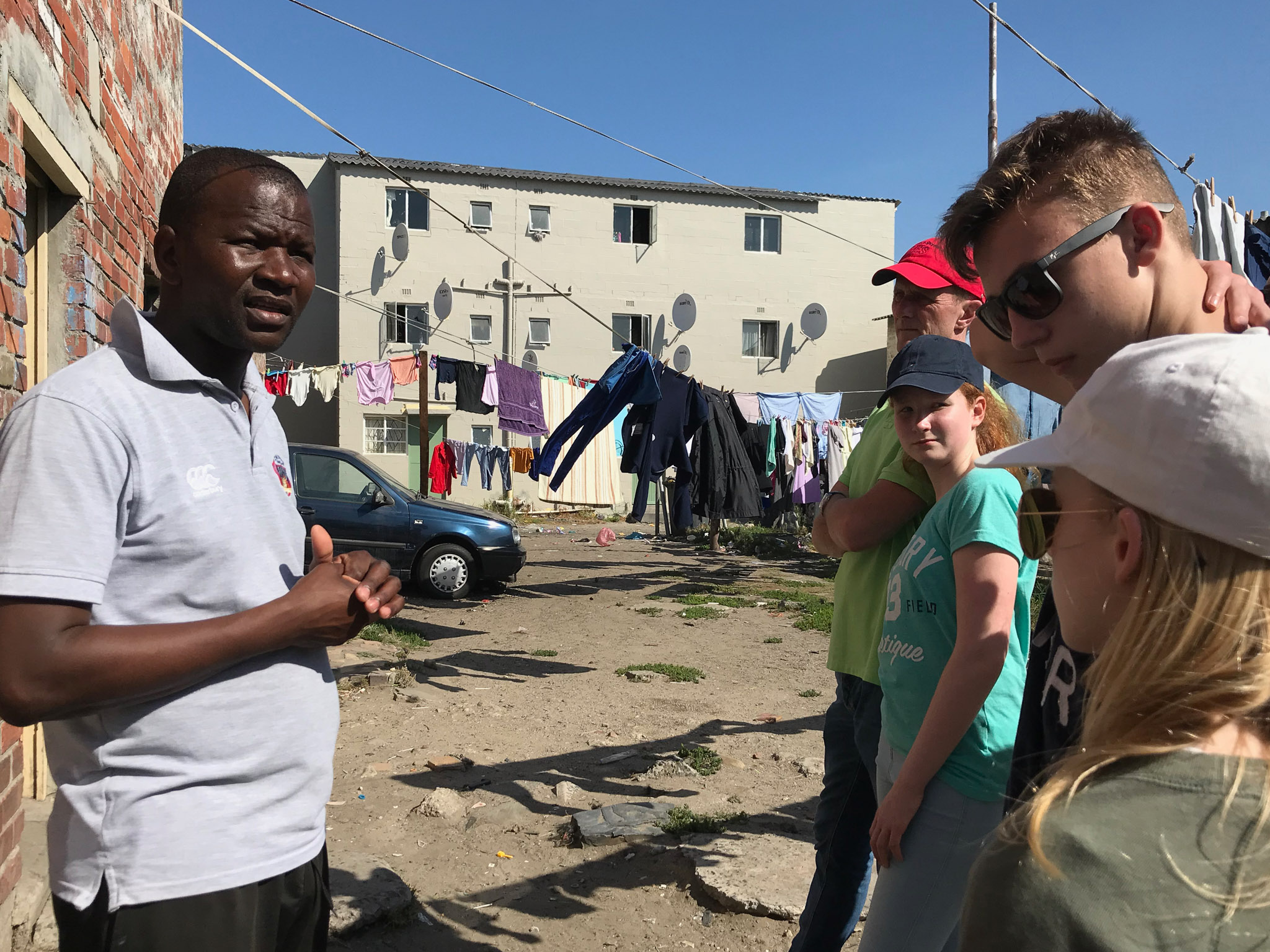
The visit to the township was sobering. It would be easy to visit Cape Town and come away with only the most abstract awareness of the legacy of apartheid; going to the township was a way to come face-to-face—if only in a very superficial way—with the reality of many South Africans' daily existence.
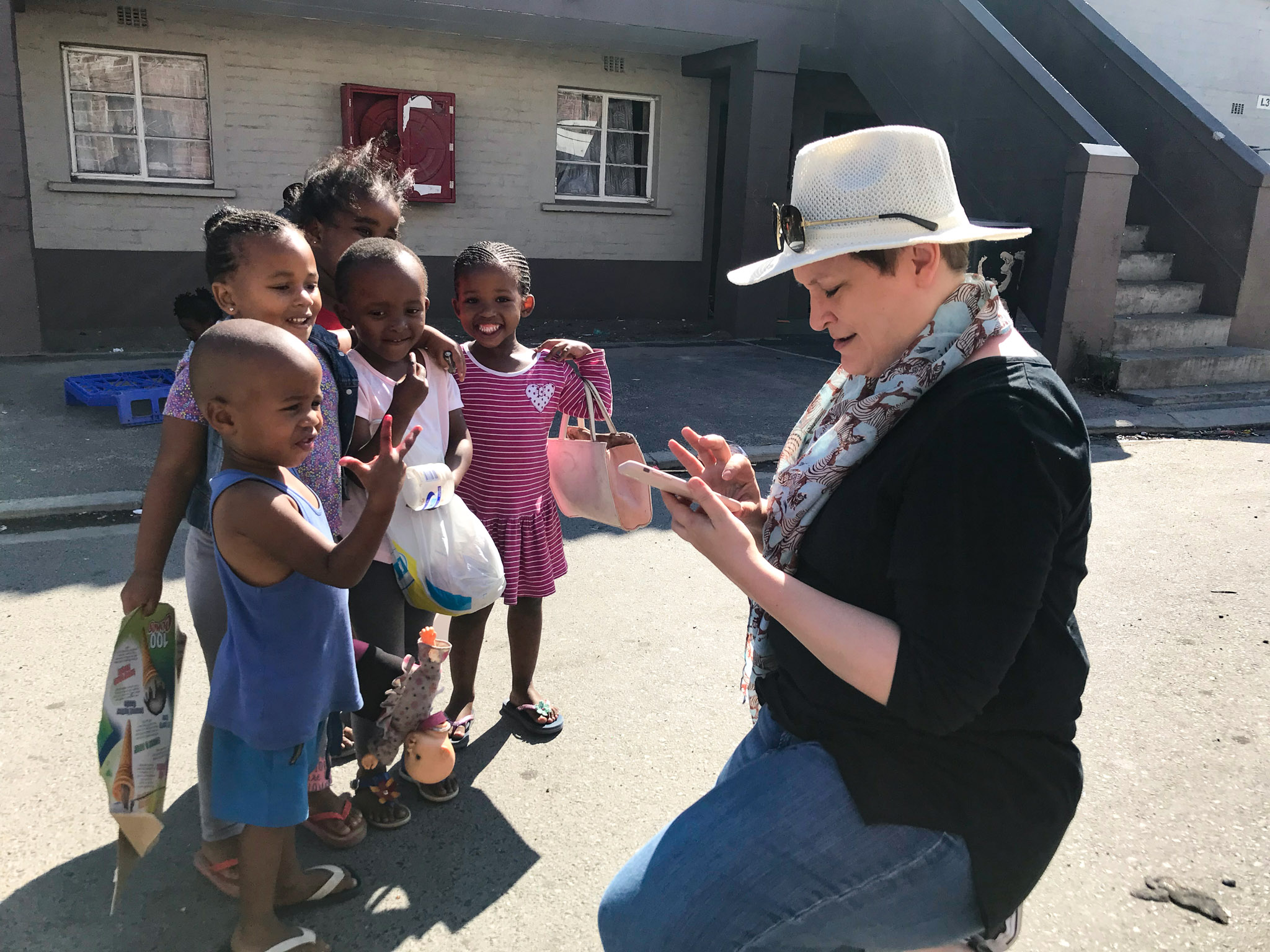
I initially felt a little weird coming in as a spectator to peoples' hardship, but our guide assured us that they were grateful for our visits, because they understood that we were interested and came to learn; and that because we were there, some of them would earn an income. They encouraged us to take photos and say hi to the locals.
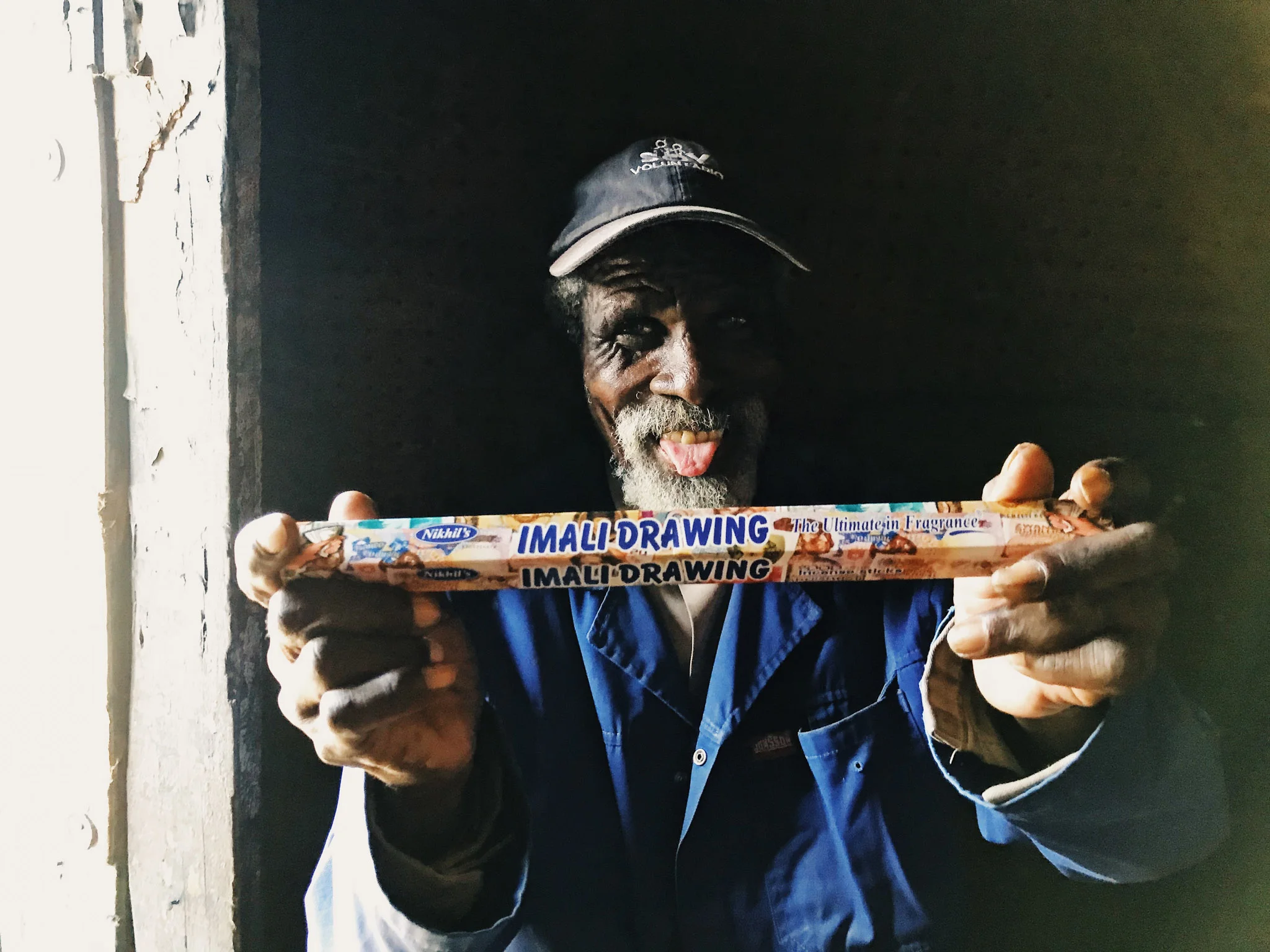
In a shabeen, or speakeasy, I got to sample umqombothi (pronounced with the !Xhosa click), which is a local beer made from fermented corn and sorghum. It is definitely an acquired taste, and I didn't acquire it from that one sip. Also, I wasn't a fan of the healer that we visited; his space was dark and impossibly claustrophobic, and filled with unidentifiable, unpleasant smells. And lots of animal parts: skins, hands, horns and the like. I definitely got a bad vibe in there—but it was still an interesting part of the experience.
Mabula Game Lodge
To start the second half of our trip, we took a flight to Johannesburg, followed by a 3-hour bus ride to Mabula Game Reserve, in Limpopo. After settling into our cabins, we were separated into groups of about 10, and then assigned to guides that would lead us on our safari drives for the duration of our time at the lodge. Our guide, Sharon, was incredibly knowledgeable, and was masterful at spotting animals for us.
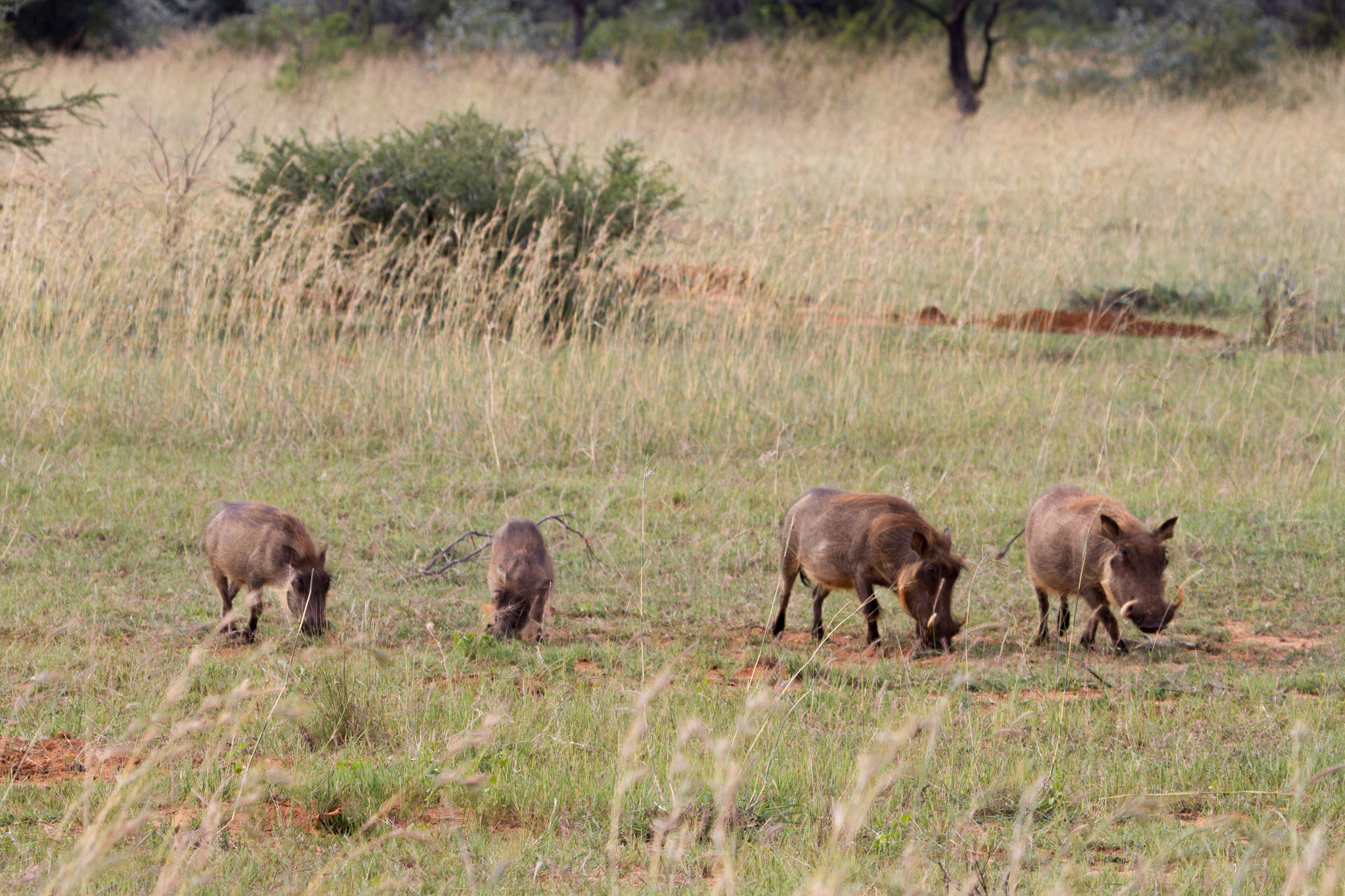
Mabula is fairly small at only ten hectares (roughly 38 square miles), so we had good odds of impressive sightings. Of the "Big Five" animals (lion, rhino, elephant, Cape buffalo and leopard), we only missed one - the leopard.
On our very first game drive, the evening we arrived at the lodge, we had an incredible encounter with three male lions (two adults and one juvenile). They were so close to our vehicle, we could feel it in our chests when the alpha male began vocalizing and calling out to the females, who were out hunting.
We did several morning and afternoon/evening game drives, and since our planned hot air balloon ride had to be scrapped due to high wind speeds, we opted for a horse-back ride instead. This was cool, because we were able to go off-road and get really close proximity to some of the animals.
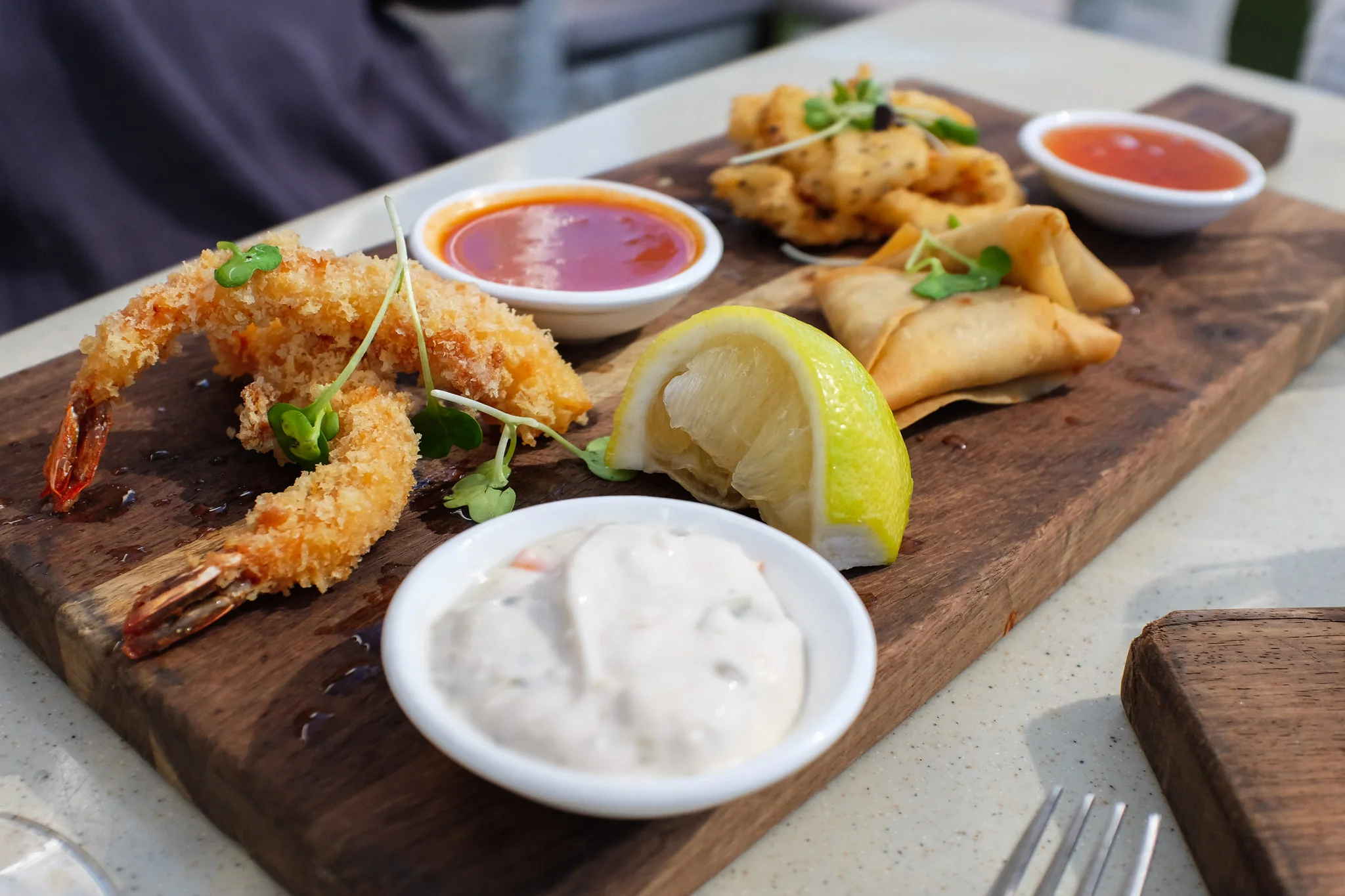
Since we were at a game reserve, I made a point to try some game dishes, like ostrich carpaccio and kudu casserole. I also tried "pap", which is a maize-based porrige, kind of like grits or cream of wheat.
Going Home
After just over a week, the trip was finally over. One nice touch was that as we were on the bus, on our way out of Mabula, we had one last sighting of a female lion casually watching traffic go by, at the game lodge across the street. We drove back to Joburg, and flew back to Dubai, and on again to New York.
We met lots of really wonderful people—both locals in South Africa, and fellow travelers that were in our group—and as usual, we can't wait for the next adventure to come along.
2017 Year in Review
2017 is almost over—what a year, huh? As a country we learned some hard truths about ourselves, but we also learned that we're more resilient than we thought. I think that might apply to me individually as well.
Over the years, at the suggestion of just about every self-help lifehack and prodicutvity blog in existence, I have made many half-hearted attempts at developing a daily journaling habit, but it never seems to stick. But when I look back at my photography, I realize that this has been my form of journaling all along—it's my one daily habit that happens virtually unconsciously, and that I have the itch to do almost no matter what. So ths collection of images is like a look back at my journal over the past year.
With that in mind, for this year's recap, I decided that rather than restrict myself to a specific number of images for the year, or picking a certain number of images per month, I thought I'd just go back and try to pick out the broader themes in my life that materialized through my photography.
Trump's America
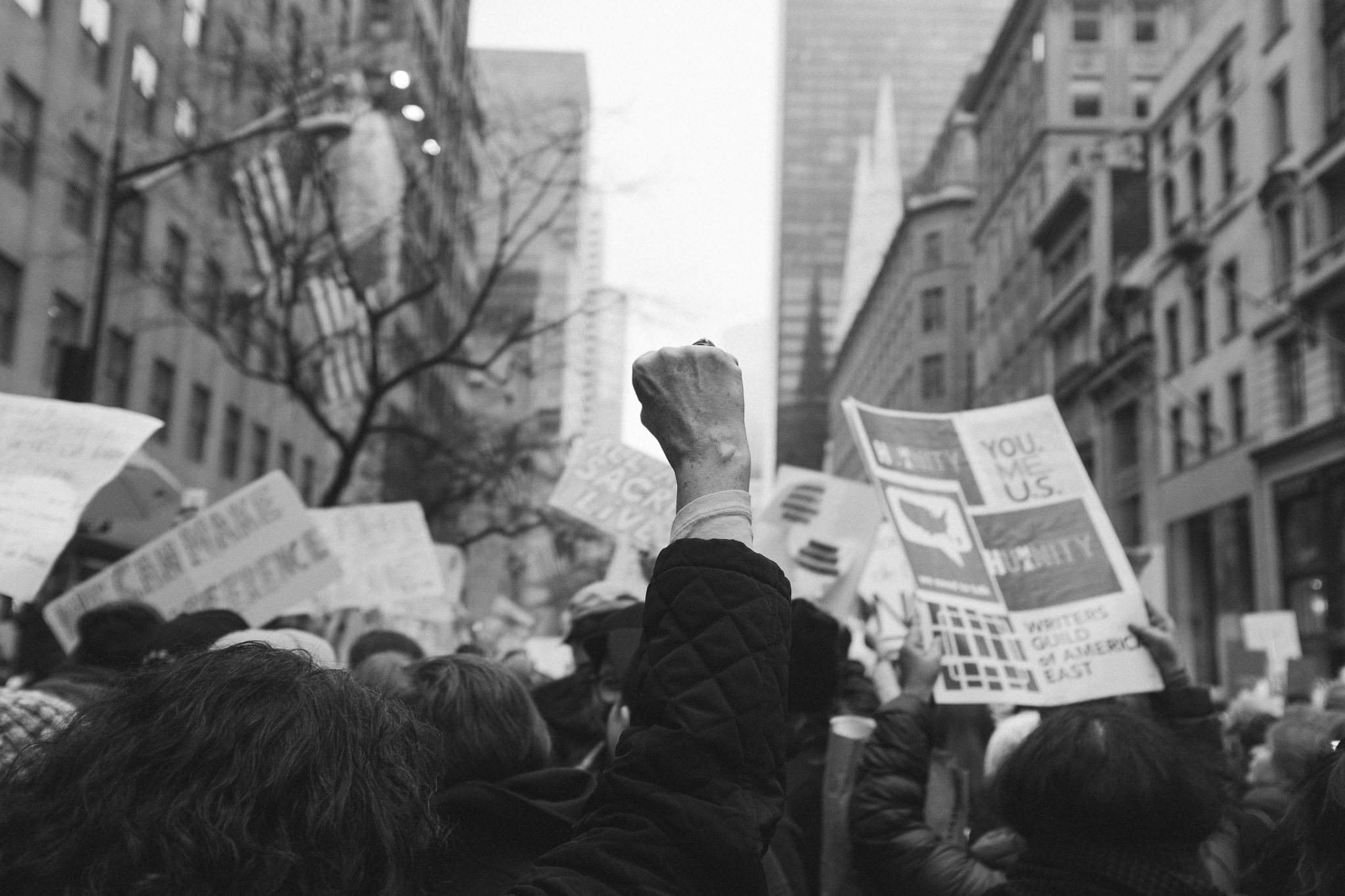
Love him or hate him, Donald Trump and his ridiculous politics dominated this year. I'm not shy about saying I loathe the guy from the depths of my being. Because of that, and the renewed sense of civic duty that I know many of us felt as a result of his election, there was no question about whether I would attend the Women's March in January. The experience was reassuring and helped me to realize that, after having felt let down by a good portion of this country, there were others that were not going to be apathetic, and would fight every day against the indecency of Donald Trump's presidency.
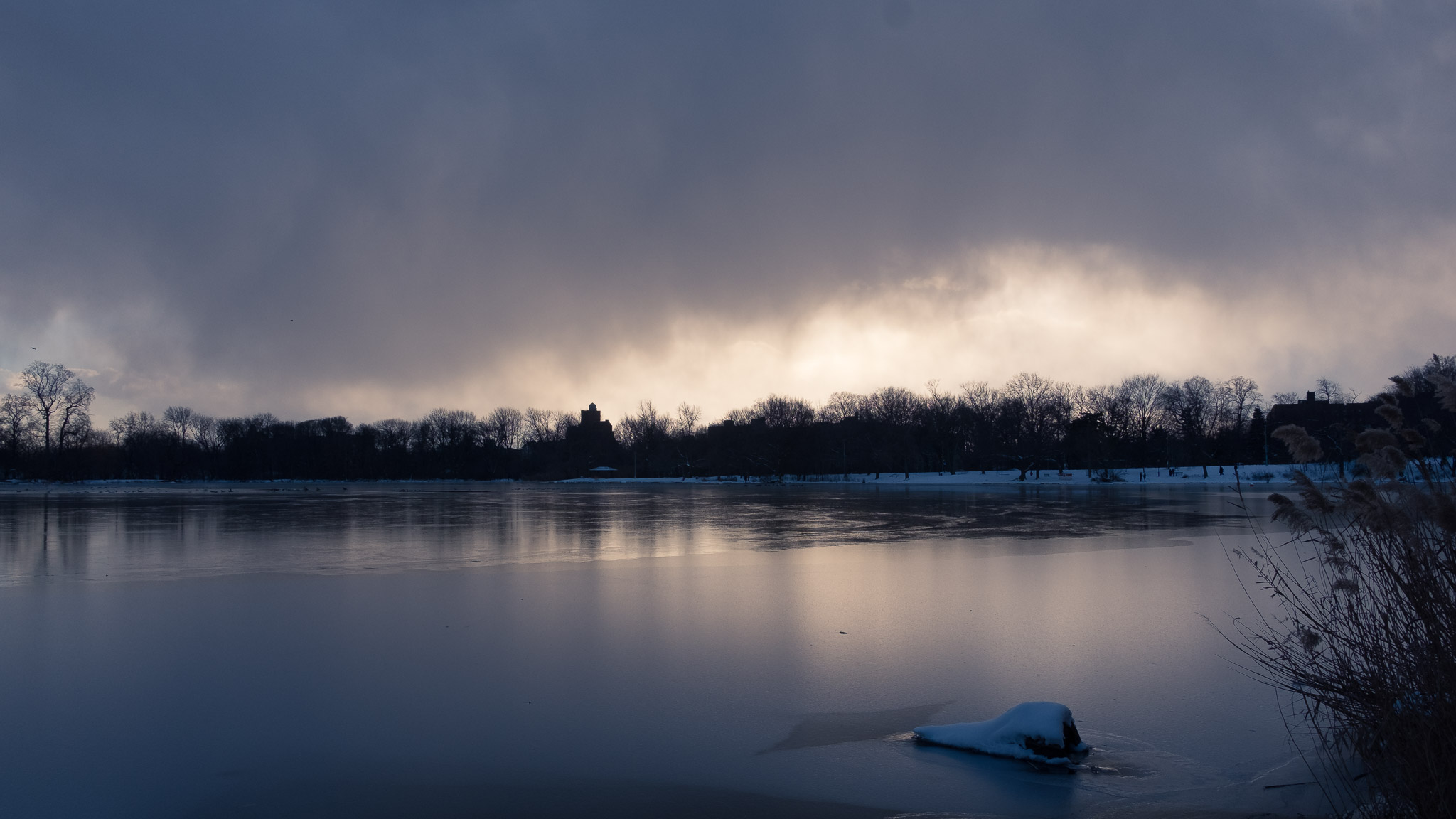
Prospect Park
I feel so fortunate to have Prospect Park as my front yard. When I'm stressed, or need a workout, or want to move slowly for a long time (as the Primal folks would say), the park is my go-to spot.
The Oculus
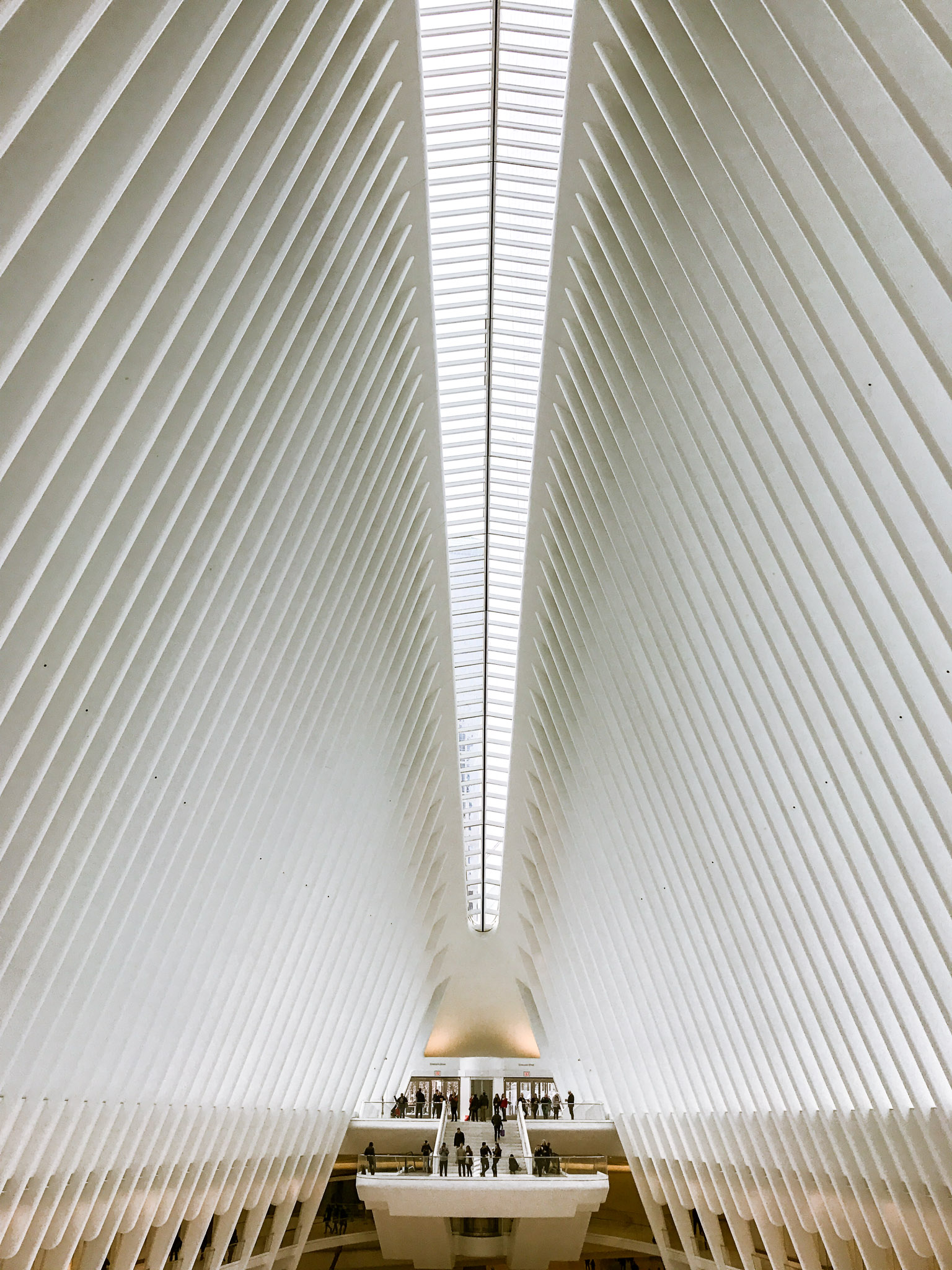
This didn't happen on purpose, but as I looked back over my photos from this year, I realized that I really spent a lot of time wandering around the Oculus at the World Trade Center. Some people really hate this building (and the fact that from the inside, it kind of feels like you got swallowed by a whale, and it cost billions of dollars), but I really love this space, and find myself compelled to try and take a unique photograph of it every time I'm there.
Everyday Surroundings
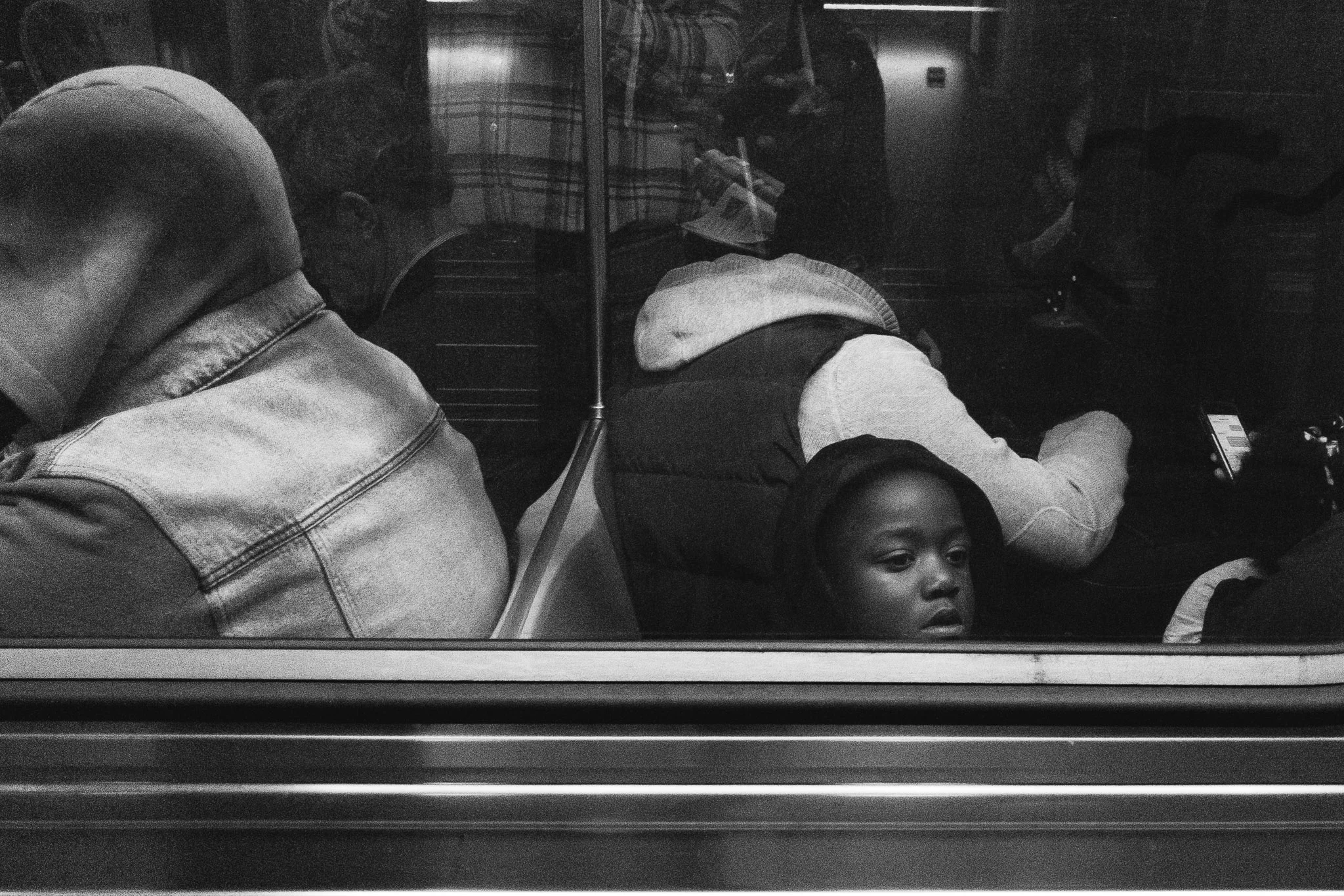
Although I try to shoot every day, I have my moments when I don't feel particularly motivated, especially when I'm caught in the day-to-day grind of going to work and coming back home for an extended, uninterrupted period.
I try to pull myself out of that by switching up my commute; by taking a longer route to or from work; by going out for a walk at lunch, even if I brown-bagged it. During those times, I make a point of consciously looking for the light, shapes, colors and designs that surround me. I guess this year, I had a thing for silhouettes and dramatic lighting.
Night
I've always loved night photography. It takes a little more effort, forces you to slow down, and is definitely helped by better gear (wider apertures, sensors that are more light-sensitive). But there results are always so worth it. I didn't do as much of it this year as I could have, but going over some of my night photos from this year made me remember how much I enjoy it.
Being Active
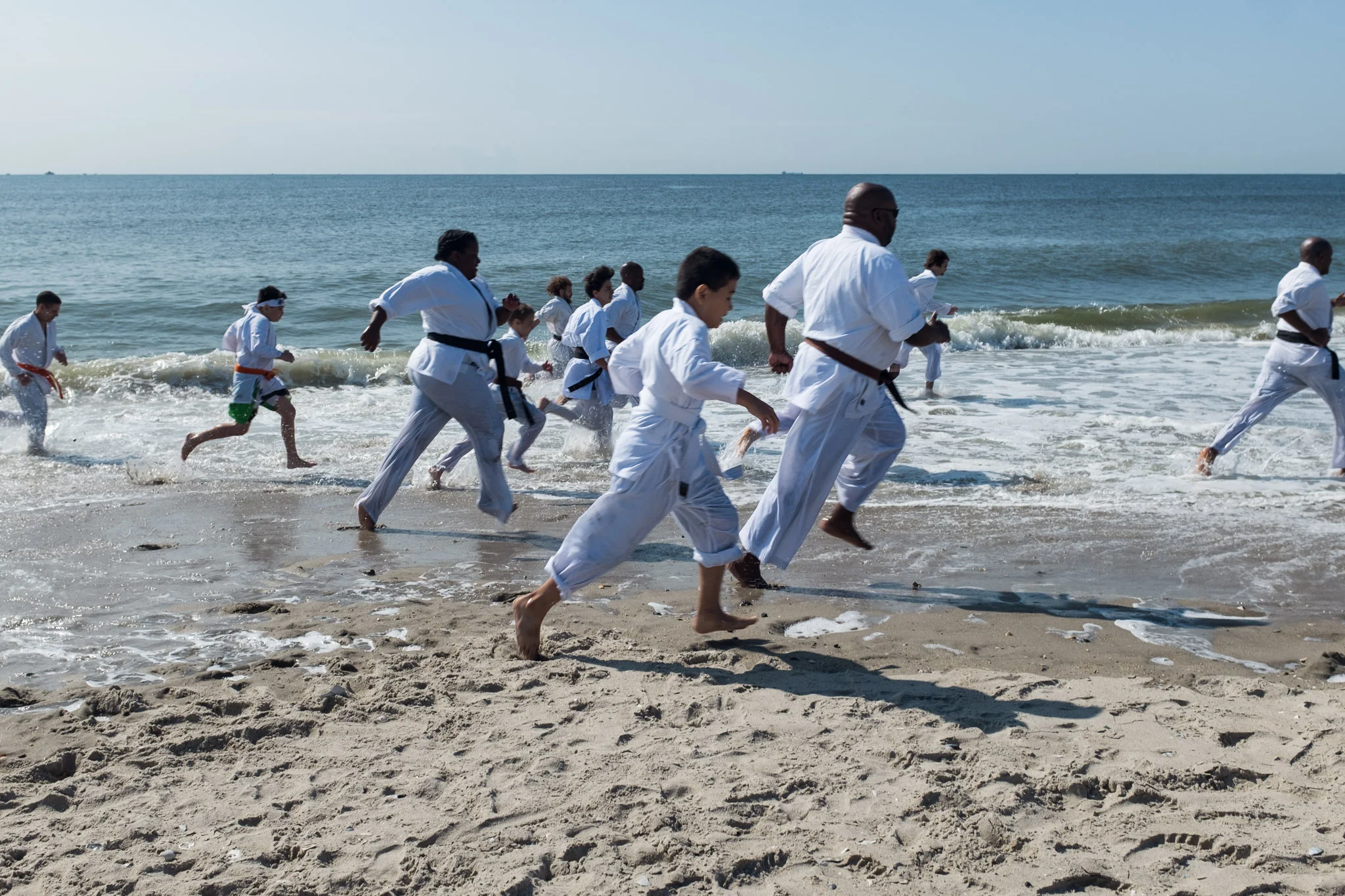
As far as being active and moving a lot, this was a good year. I lost around 14 pounds in April with my second round of the Whole 30 plan. I realized that I do really well with sticking to a workout when I sign up for something, like the Nike+ Run Club or Nike Training Club's coaching plans. Aside from that, for a good part of the spring, I developed a routine of going to karate twice a week, and had lots of fun getting beat up by Dante in sparring class. I also spent a lot of time on my bike, commuting to and from work a total of 38 times, (roughly 266 miles). My wife Stephanie and I even decided that we wanted to start doing more outdoors activities together, so we started with an easy hike at Franny Reese State Park this fall.
I'll admit that I got a bit lazy later in the year, and have been in full-on hibernation mode for the last few weeks, especially since it got dramatically colder here in New York. I even ended up gaining back some of the weight I had lost, but I'm ready to get back to it for 2018.
Wedding Photography
I went way outside my photography comfort zone this year. A friend approached me about shooting her wedding, and even though it gave me the jitters almost immediately, I decided to say yes. I was nervous for weeks leading up to the wedding, and had all sorts of doubts about my ability to do justice to Amanda and Alex's special day, but I had an amazing time doing it. I ended up feeling challenged, but also energized and creative in all sorts of new ways. The lesson for me was, it's true what they say: get comfortable with being uncomfortable.
Music and Culture
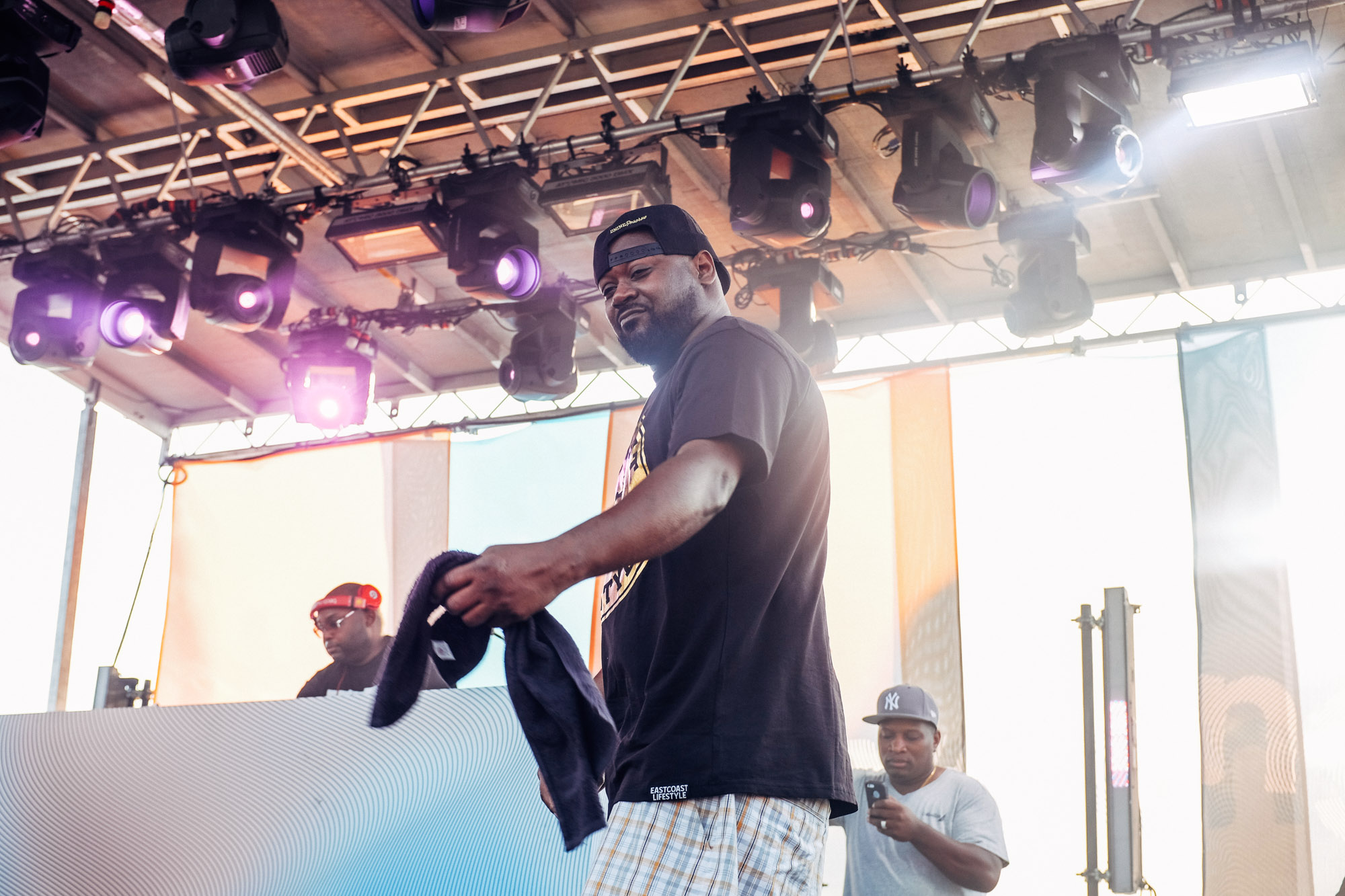
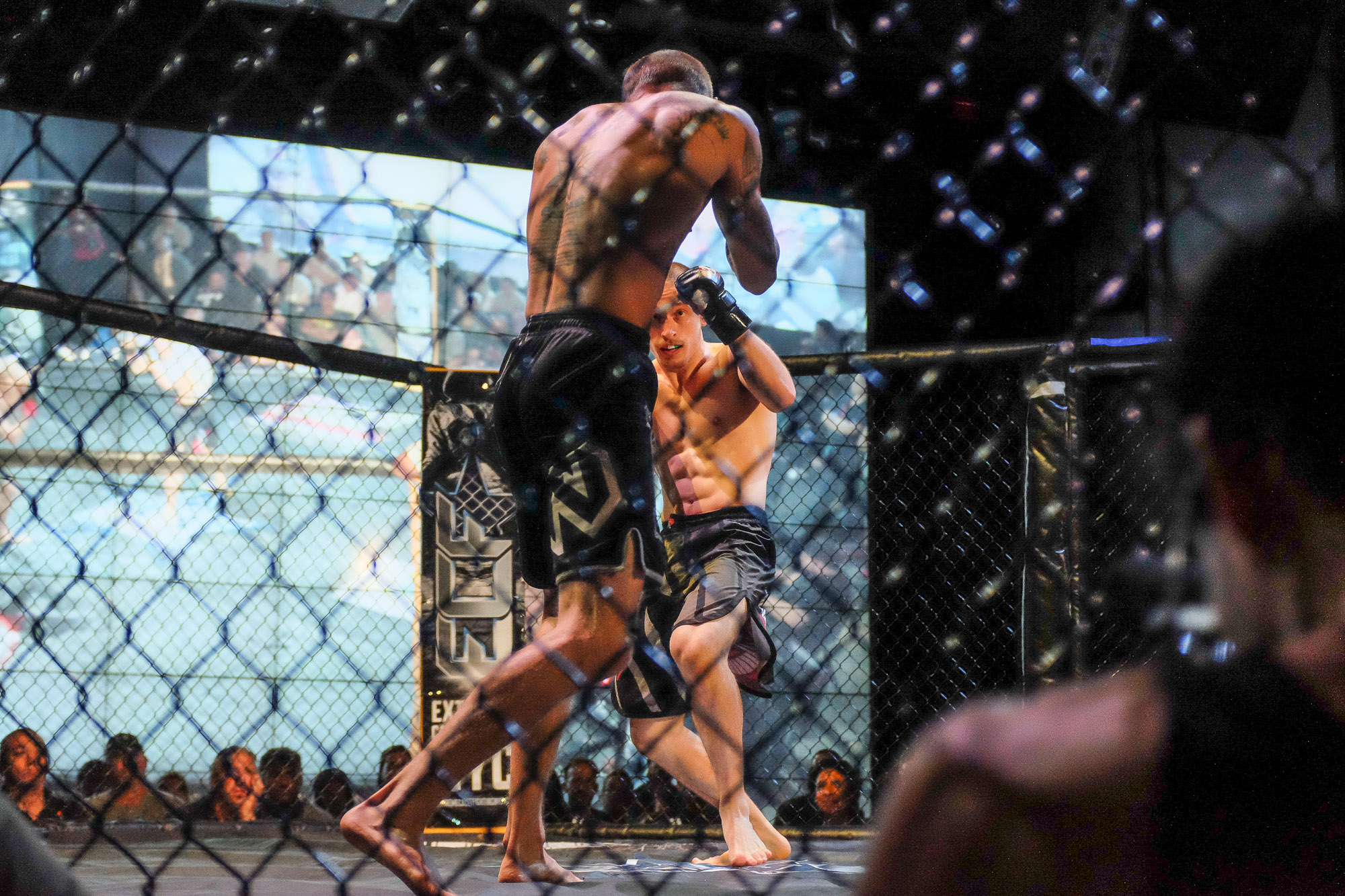
Concert photography is one of my favorite things to do. Aside from my usual pilgrimage to the Brooklyn Hip-Hop Festival, I managed to go to a couple of events this year, including the Afropunk Battle of the Bands in Williamsburg and 2 Chainz' performance closing Advertising Week in New York. I also decided to challenge myself to document the West Indian American Day Children's Parade, which is one of the more "low-key" events surrounding the main Parade on Labor Day. We also went up to the New York Botanical Garden's incredible Chilhuly Nights exhibit.
Friends and Family
Some of my favorite pictures this year (most years, for obvious reasons) were of the people close to me. Some of the highlights: we celebrated my father-in-law's 70th birthday at a gorgeous Airbnb rental up in Maine; I photographed my aunt Rose and cousin Claudia, along with her adorable new daughter Danai; I spent time with my cool, funny niece Alexandra; celebrated my sister Sarah's birthday; and I took advantage of a short trip to San Francisco for Afrotech, to reconnect with one of my life-long friends and his family. Finally, I capped off the year with a trip to Virginia to see my mom for her birthday.
2017 certainly had its moments. Politics and the moment we're having as a nation, as well as my own insecurities about myself and my professional growth were probably the most stressful things for me this year. But I think I learned a lot, and got to spend time with the people I care about the most. I don't really do the New Year's resolution thing, but I'm looking forward to continuing to work on myself as a person and as a photographer; and to nurture my relationships with my wife and friends and our families.
Here's to growth, health, and positivity for 2018.
I’m Friends With Some of My Favorite Photographers
Ask any photographer who they’re influenced by, or who their favorite photographers are, and chances are pretty good that they’ll list some of the titans of the genre: Henri Cartier-Bresson, William Eggleston, Ansel Adams, Bruce Davidson, Diane Arbus. Makes total sense; there’s a reason these photographers are seen as the epitome of the form.
Typically, people lavish praise on their favorite artists when they’re dead (just to be clear, Bruce Davidson is not dead). I decided that I want to acknowledge some of my favorite photographers, who are not only living, but who I also have the good fortune to know personally, even if only as acquaintances. I’m not trying to be too effusive or fawning here; just stating out loud to some photographers I respect greatly that I’m a fan.
Also, I was thinking about the way we consume photography today. Because of the sheer volume of photography being created, it has inevitably become a really thoughtless exercise in swiping and double-tapping to show surface-level appreciation for an image, so I’m doing this as an exercise in forcing myself to slow down and articulate why I consider these photographers some of my favorites.
Clay Enos
If you’ve seen a poster for a superhero movie in the last 5-10 years, there’s a strong possibility that Clay Enos shot it. But that’s not all he does. I met Clay when we both worked at AOL’s internal media group way back in the early 2000s. I first fell in love with his work through his Street Studio project: a brutally simple idea, consisting of a white backdrop on a street corner, and an invitation to passersby to pose for a photo. That’s it. This project is inspired by the work of Richard Avedon, one of Clay’s favorite photographers. The project initially started in the five boroughs of New York City, but Clay eventually brought it across the country and the world. Taken as a whole, it connects the viewer instantly, and intimately to a huge cross-section of humans. One of the reasons I love this project so much, is because of my own shyness and inability to approach strangers on the street, much less connect with them the way Clay does.
Other things you should know about Clay: he's one of the least gear-obsessed photographers I've ever met. He once rode a Vespa from New York City to Vancouver, and then to Central America, documenting the state of sustainable food production along the way. And When not working as a still photographer on the set of a major film, he spends much of his time photographing and sharing the stories of coffee farmers in places like Eastern Congo, Rwanda and Guatemala.
Scott Witt
When I think of Scott’s work, I think of impeccable technical execution coexisting with a kind of loose, artistic spontaneity that shouldn’t be possible. Scott’s also a perfectionist, and has impossibly high standards (whether we’re talking about his mixologist tendencies, or his love of Spanish jamón, or his preference of camera gear), and it’s clear that this also applies to his photography. He works relentlessly towards honing his craft. Aside from the high profile stuff he shoots at events like the iTunes Festival (some of which you’ve seen without realizing it, if you’re an Apple Music user), some of my favorite of his work is the spontaneous moments he captures in the streets of various cities late at night, and, of course, the fantastic images he makes with his family.
Lev Kuperman
I worked with Lev when he was still working a 9-to-5 in the world of advertising, and I’ll always remember the day he came over and announced that he was quitting to go and be a wedding photographer. The idea of doing something like that still strikes fear deep into my core (I have some issues I need to work out), but I was really happy for him, and it has certainly worked out in his favor. His work stands out in a crowded field of me-too wedding photographers, whose work all seems based on the same playbook (and the same batch of Photoshop filters). It’s clear from his work that he connects intimately with the people he photographs; that he’s genuinely invested in helping them make lasting memories of one of the most important days of their lives. I really hate the generic, watered-down meaning the word “curate” has taken on in our modern usage, but Lev really does curate everything that’s included in (and excluded from) each frame he shoots — the framing, the shadows, the light — everything there is totally intentional.
These are a few of my favorite contemporary photographers that I also call friends (I picked three, but there are many more.) Who are some of yours? Go beyond double-tapping or liking, and let them know you dig their work.
Editing RAW on the Go with Lightroom Mobile
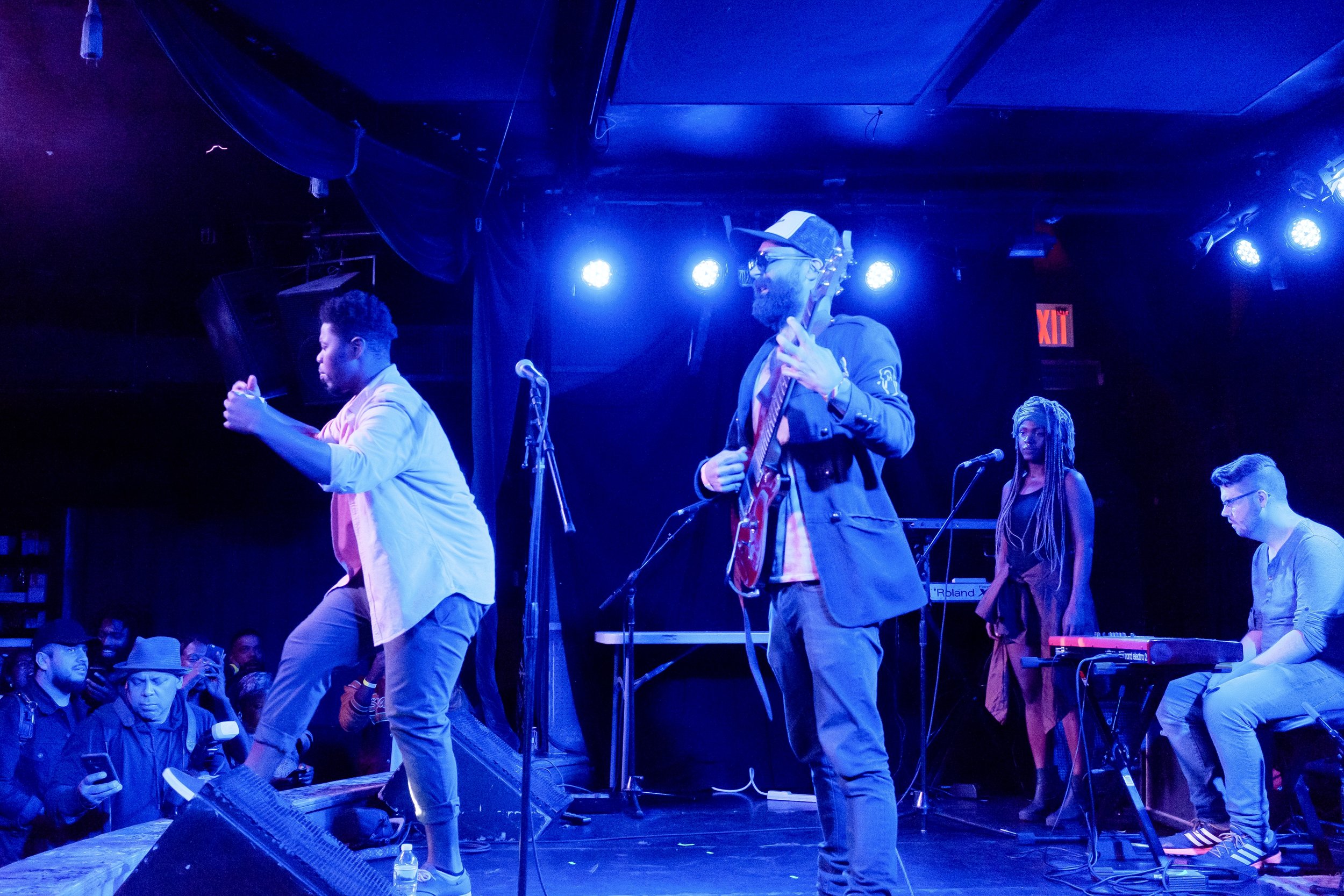
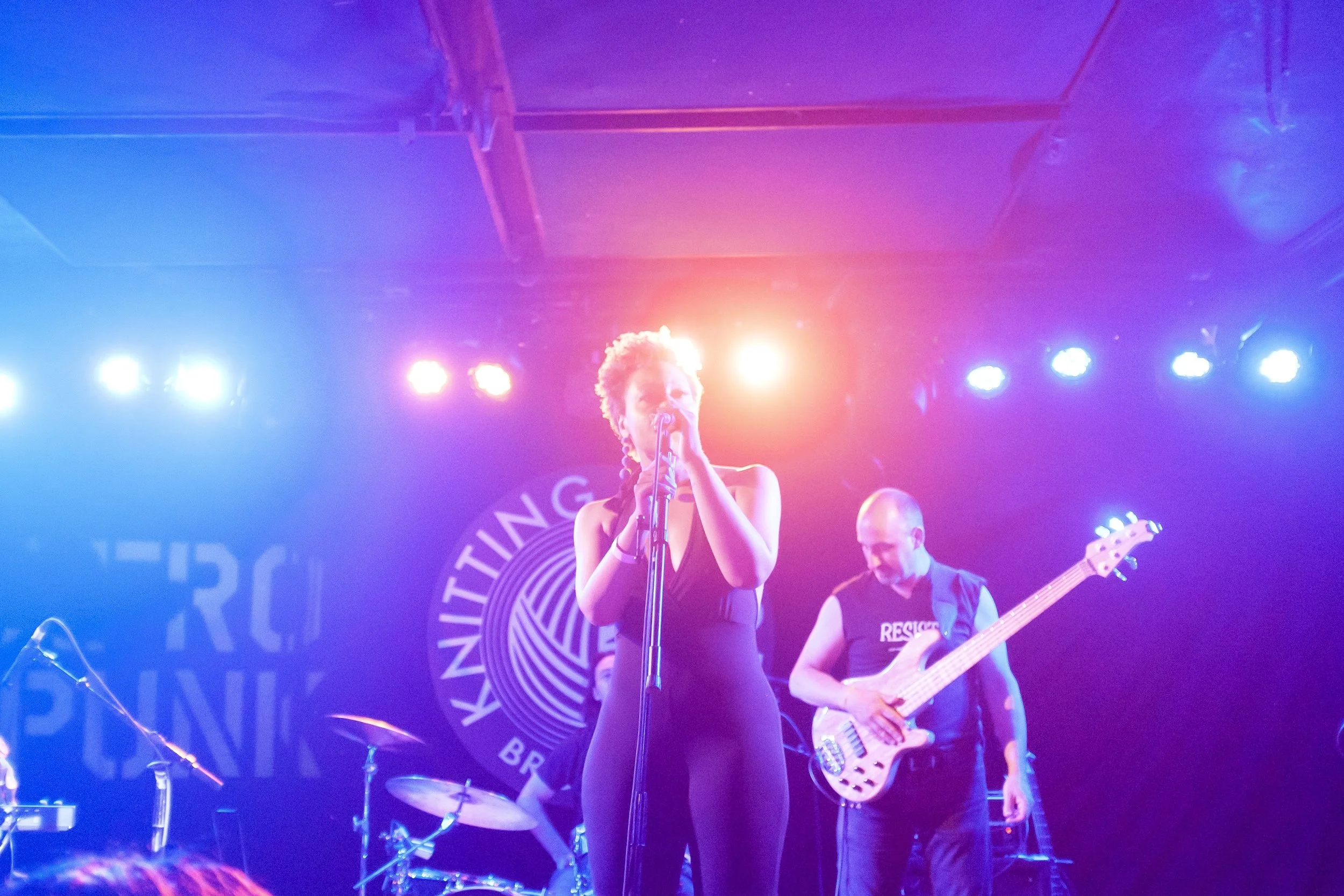
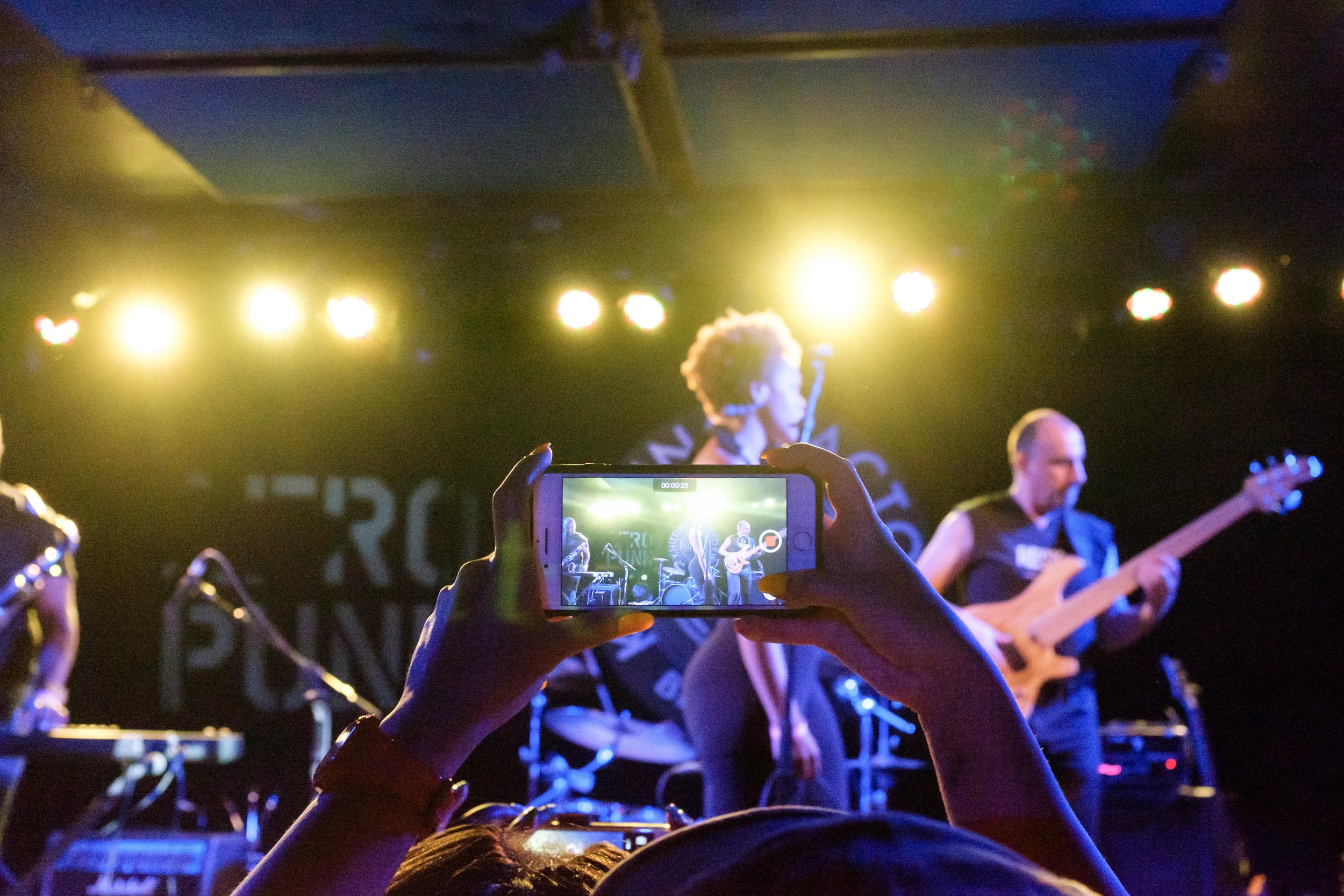
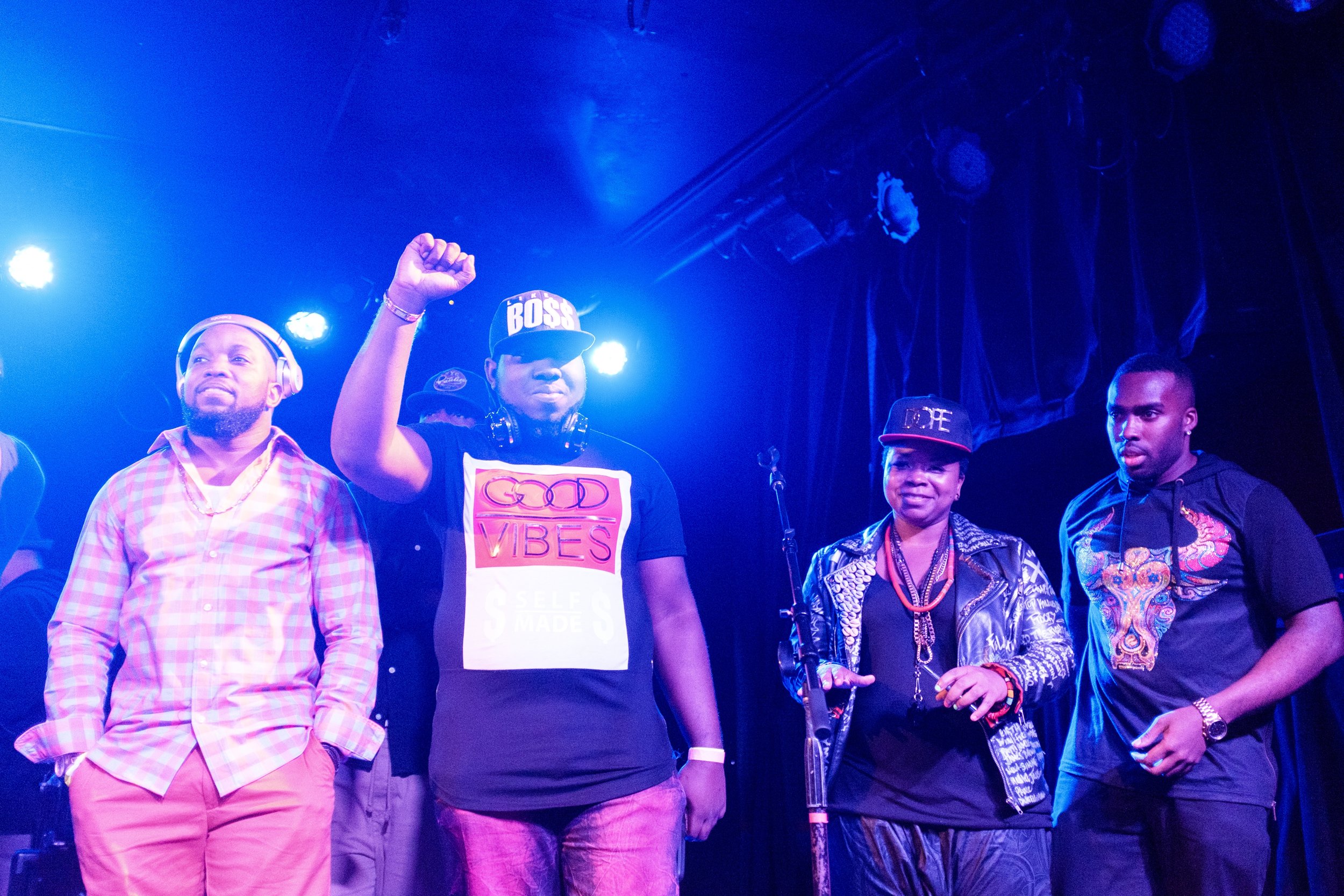
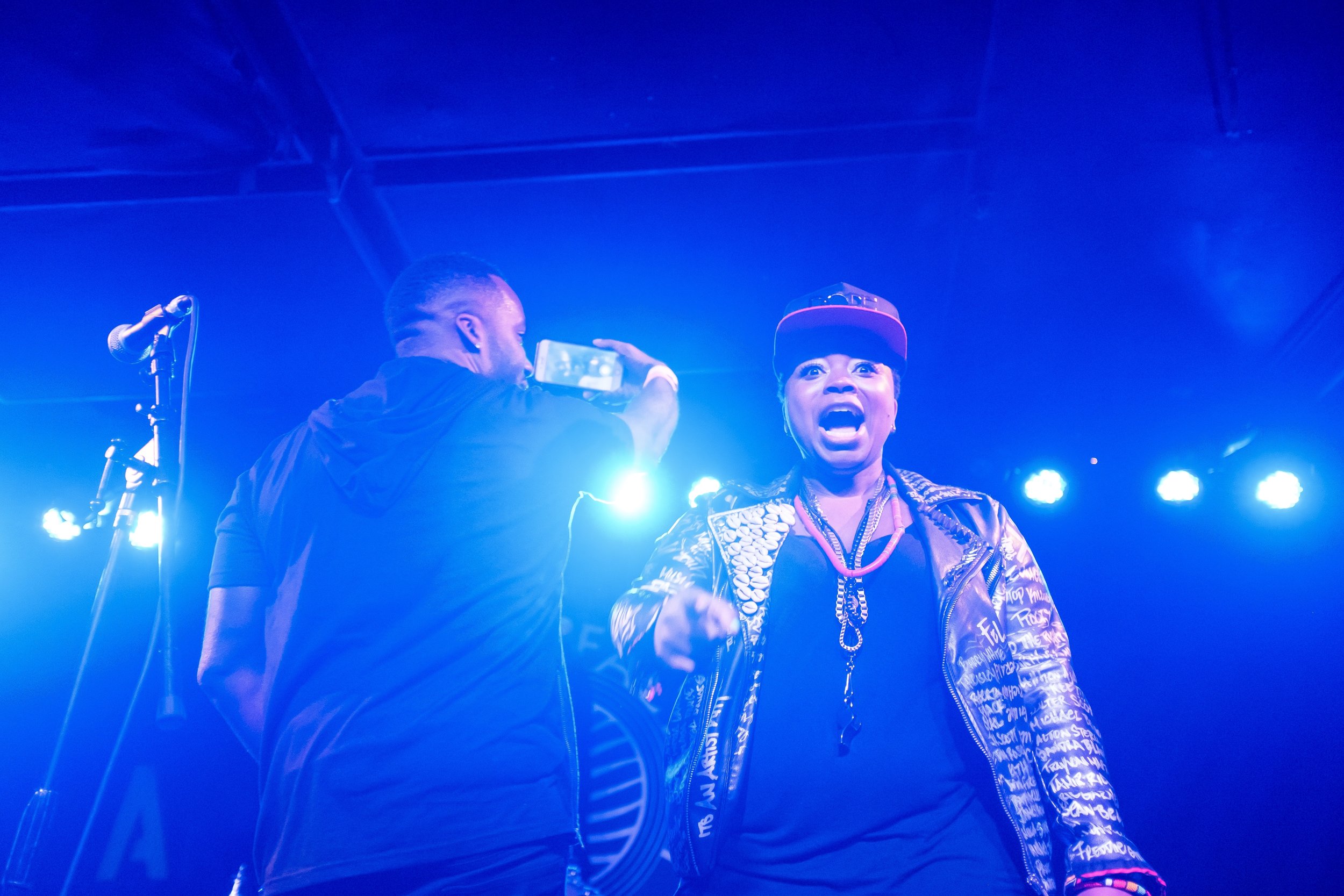
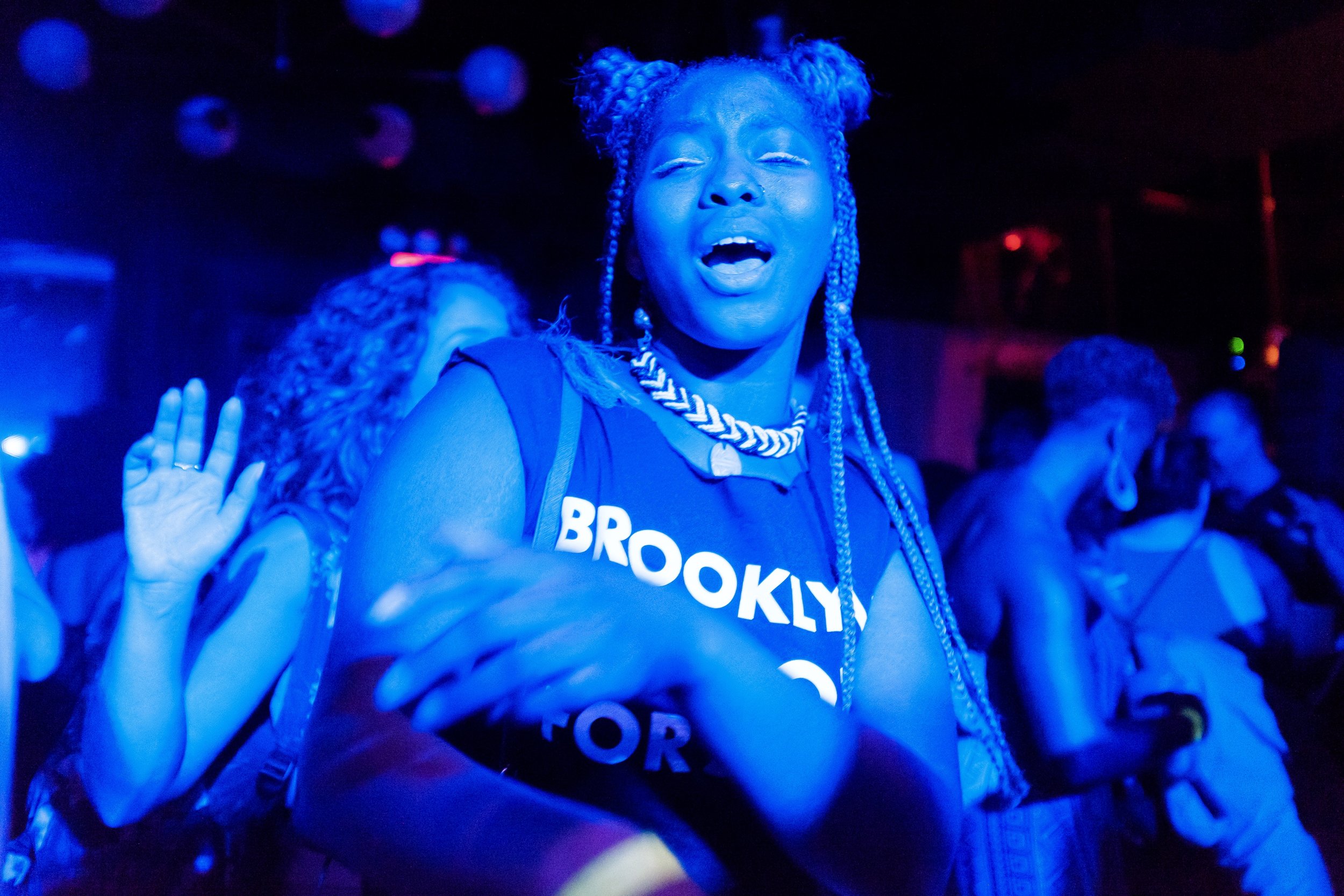
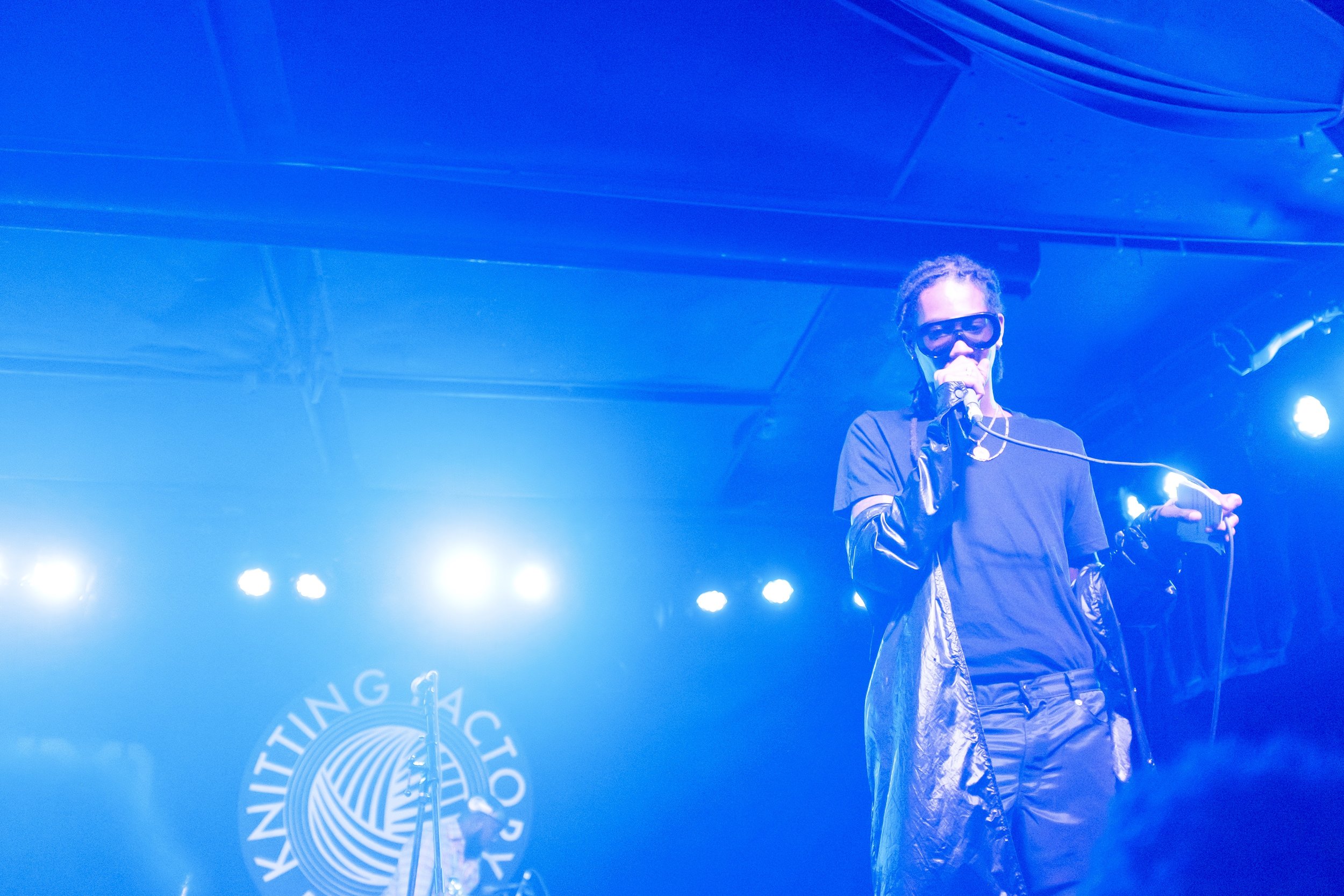
I had an awesome time at the Afropunk Battle of the Bands at the Knitting Factory the other night. All of the performances were incredible and dynamic (of course I think my friend Gbenga's band, Olu Bliss should have won, but I’m biased like that).
Anyway, it was a fun opportunity for me to indulge in a little bit of concert photography in an intimate, low-pressure setting. I got some great images, and I thought I’d use this as an excuse to write a bit about how I use Lightroom Mobile to begin processing a shoot like this on the go.
Lightroom Mobile is Adobe’s free mobile companion to the desktop version of the software. It has a ton of powerful editing features, and If you’re a Creative Cloud subscriber, it syncs back to the desktop, so you can continue editing on the big screen when you’re back at your computer. There are a lot of plusses about this workflow, but there’s also at least one significant downside, which I’ll get into later. With that said, let's get into it.
Import and Review
The show was in Williamsburg, which meant that I had time during the longish subway ride home to download my photos to my iPhone, using the handy SD to Lightning adapter that’s usually in my bag. I popped the card in the reader, connected it to the Lightning port, and opened the Photos app, (which is the only way to get images off an SD card onto your phone). Next, I tapped Import, then Import All. Boom - done.
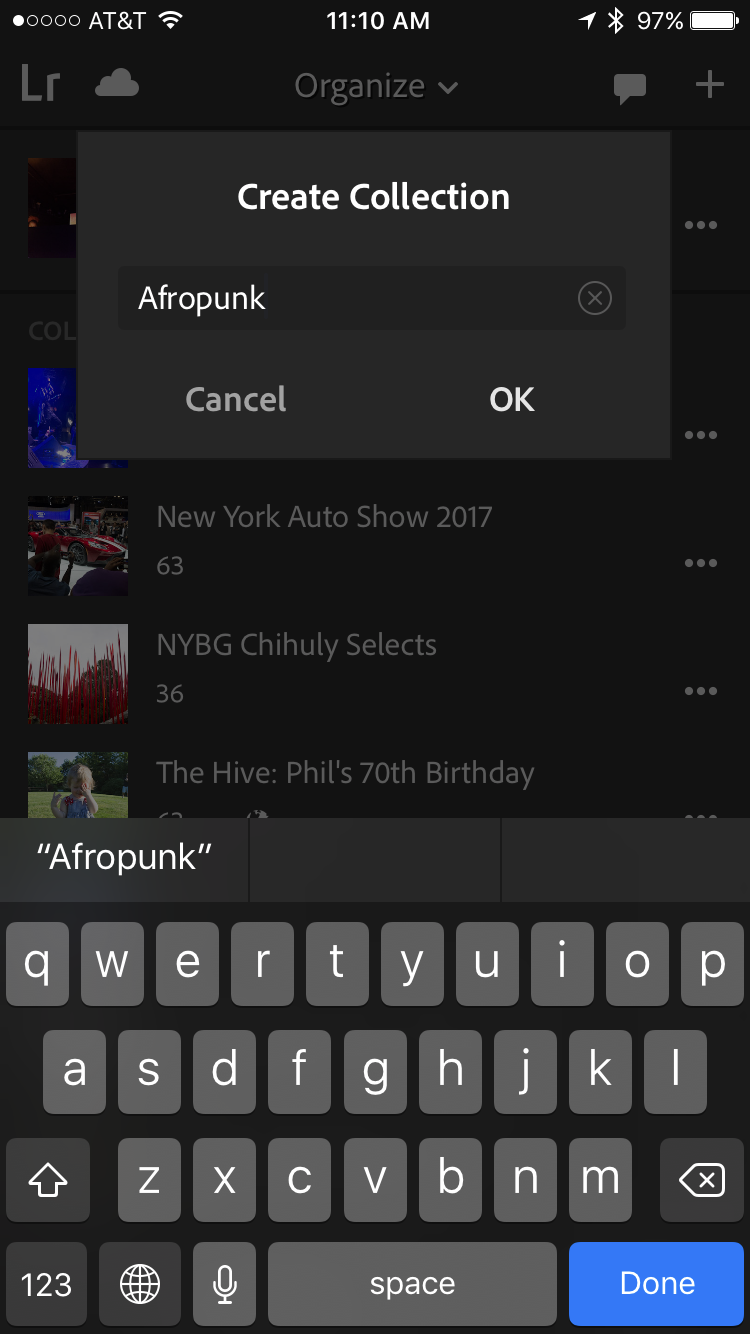
Once the images were downloaded from the card (it took a while; I entertained myself by people-watching on the train), my next step was to open up LR Mobile and create a collection to hold the images from the event.
Now that I had those images in Lightroom on my phone, I was able to easily swipe through and do a quick review of my shots from the event, adding “Pick” flags to the shots I liked the most, and then filtering the view to focus on just those flagged images. Just as I was finishing up, I got to my stop. Nice.
One of the major advantages to a workflow like this is that I can now easily share a couple of my favorites from my fancy mirrorless camera (with its big sensor and great low-light performance that few mobile phones can match - I'm sorry, but them's the facts) on social media in a very immediate way. And since I’ve already done some initial rating/triaging of images, when I get back to the desktop, a big chunk of the work is already done. I can then spend a little more time and process the rest of the images from the shoot more carefully. Plus, it's a great way to kill time while traveling. Sweet!
The Caveat: Color Profiles
Okay, so this part is gonna get a little technical, but I feel like I have to talk about it. We all know that RAW images are great, because they give you more control over how you expose the highlights and shadows of your image. Lightroom has a default recipe called Adobe Standard that it uses to apply specific color, hue, saturation, etc. to every RAW file you import. On the Desktop, you can choose from a range of built-in profiles; you can even go as far as to set a specific RAW profile to be applied on a per-camera basis, but this option isn’t available in LR Mobile.
Okay. Stay with me; I realize that I'm off on a tangent here. The preview image you see on the back of your camera when you’re shooting is generated by a built-in, secret-sauce profile that your camera automatically embeds in the RAW files it saves. Why this matters, is because I’ve noticed that sometimes when I import images into LR Mobile, the second I start tweaking sliders and making adjustments, LR’s default profile (Adobe Standard, remember?) gets applied, and suddenly my image looks dramatically different than it did a second ago. Whaaaaat!?
Note the solarization, aka distorted colors, in the performer's face. It looks kinda cool, but that's not what the scene looked like when I shot it.
This happens to me especially with low-light images, with funky lighting—aka concert lighting. As far as I know, the only way to fix it, is to hop over to the desktop version of Lightroom and apply a profile other than Adobe Standard to your images. In the Develop module, scroll down to the Camera Calibration panel and choose something other than Adobe Standard. If I’m using my Fuji X100S (as I was the other night), I usually choose PROVIA/STANDARD, because I believe it’s similar to the internal profile Fuji cameras apply, so it should bring it back to something close to what that original preview image looked like. Phew.
Lightroom's built-in camera profiles.
Oh look - no more solarization!
The good news is, this change in profile syncs back to LR Mobile, so you can continue editing there if you like. I know it makes for a clunky workflow, but judging from the complaints on Adobe’s forums, this seems to be a known issue. I really hope they figure out a way to fix it in a future version of the app.
Wrap it Up
Okay, this turned out to be a lengthy, tech-heavy post, and it has quite a large caveat, so take that into consideration. But I can definitely recommend this workflow as a way to get a jump-start on importing and triaging images while on the go. And it's a great way to quickly share some favorite shots on social networks - as long as they don’t need to have a different color profile applied (which you can only do on the desktop).
Good ➡️ Better: Food Photos
I recently had dinner with my wife and friends at a great restaurant in DUMBO, and like basically, everyone these days, I wanted to document the delicious food I was eating. For posterity, or whatever.
That night, I happened to have my fancy Fuji X100S with me, but as is often the case, it was just more convenient to use my iPhone. Here's a picture of my entree:
Smoked Long Island duck with daikon radish, lavender, roasted apricot and duck jus
It was the duck and it was delicious. You might even actually believe me, just from seeing that photo, but... let's just be clear, here: food photography is an art, and requires tons of skill and preparation, and at minimum, proper, balanced lighting to make it look good. It's really, absurdly easy to go from appetizing to nauseating when taking pictures of food, particularly with a mobile device, in dim restaurant lighting, which is one reason I rarely post my food shots on social media in the first place. Be realistic with your expectations, y'all.
That said, here are some steps you can take to set yourself up for success:
- First things first: give your lens a wipe with the corner of your t-shirt before shooting. That's an easy win - your image will be much clearer if there's not a schmear of crap on the glass (that's photographer-speak for "lens").
- Also, know your equipment. I'm shooting with an iPhone, and no disrespect to Tim and Jony, but iPhones (and most mobile devices) are happiest in bright sunlight, not the carefully curated ambience of a restaurant. Because of that, in low light situations, make sure to hold your phone as still as possible to avoid camera shake before tapping that shutter button.
- Speaking of avoiding blur, make sure your subject is in focus. Soft edges on food = a pile of gross mush. On iPhone, tap to focus and expose a region of your scene; tap and hold to lock in those settings so you can recompose the shot if necessary. You can slide up or down on the screen to brighten or darken your image.
- Lastly, composition is crucial. Frame your photo at an interesting angle, being sure to keep the clutter out of the frame, and create some depth.
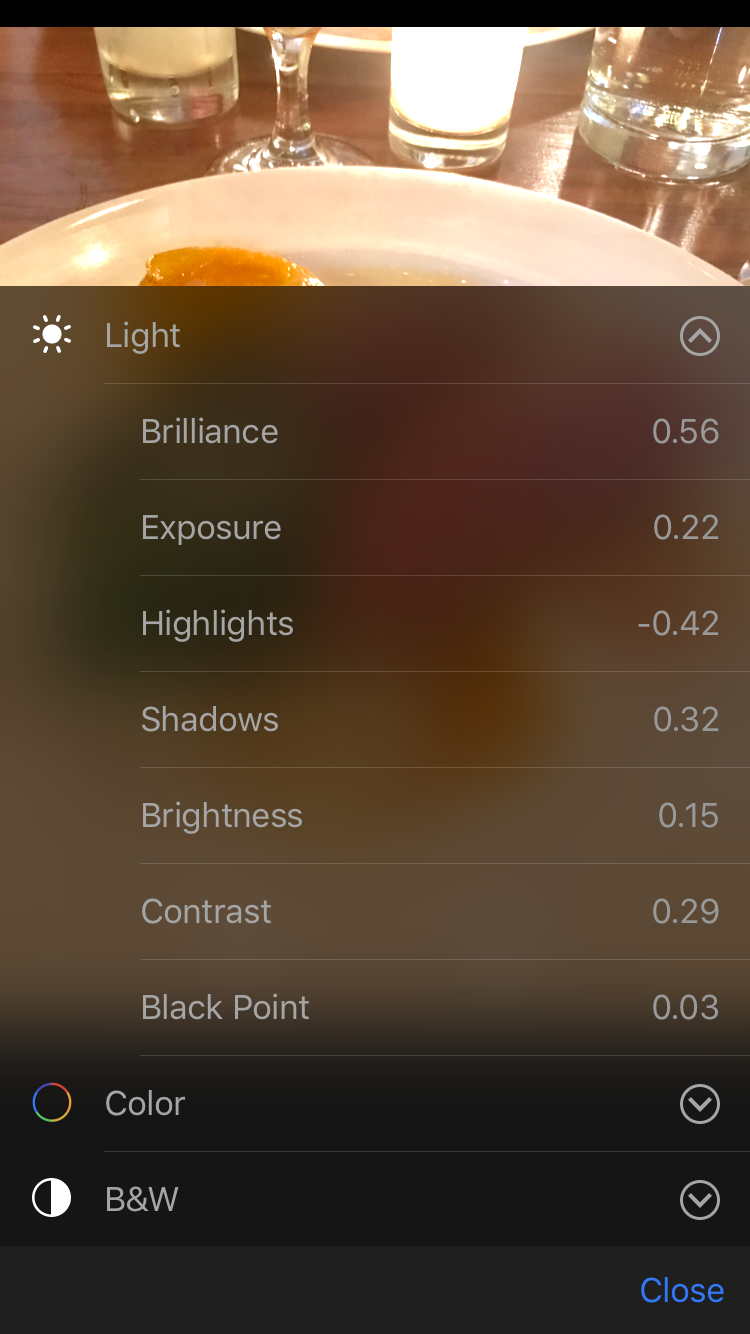
Okay, now that I have my photo, as seen above, there are some basic tweaks to be made in my editing app of choice. If you have an iPhone, you can start with the built-in editing features in the Photos app (bonus: the edits you make will be synced with iCloud, so you can call continue to edit in Photos app on the desktop or other iOS devices).
Tap here to edit!
One of the first things to do is boost the exposure of the image. Almost any image can benefit from a little pop of exposure and/or contrast. Be judicious, though.
The Photos app tries to automatically help you out by offering a "Light" slider that, in many cases will figure out the right combination of exposure, brightness, shadow and highlight tweaks to make your image look good. Just by moving that slider to the right, I'm already in a better place than where I started.
I could stop here, but there's still room for improvement. By tapping the list icon on the right, I can edit individual properties of the image, and have more fine-grained control. Awesome.
Indoor lights — usually incandescent — can make everything yellow, which isn't great for food photos. A quick tweak to the white-balance, or color cast, under the Color slider, should help.
So here we are, just using the built-in tools that come with iOS:
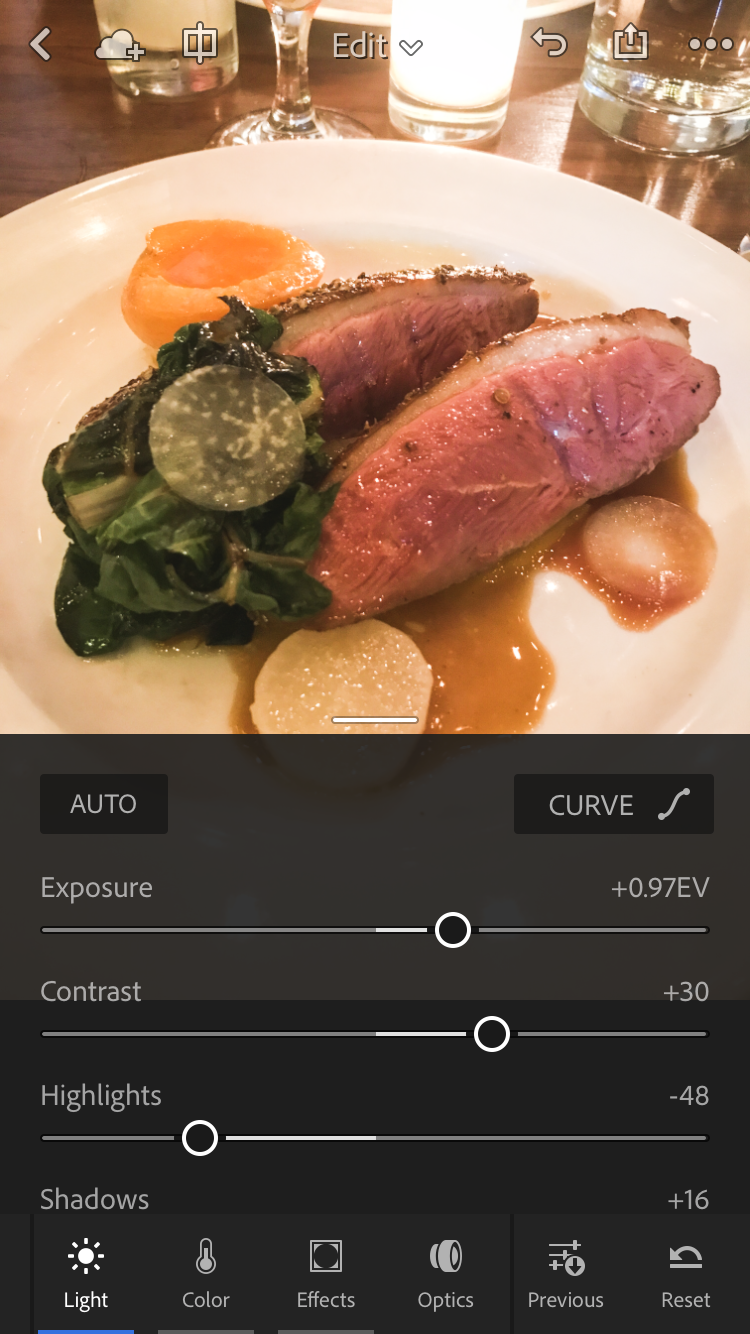
Again, miles better than where we started. Now, because I'm a fancy photographer-dude, I sometimes like to go beyond the default tools in iOS, and use one of the myriad editing apps that are available in the App Store. One of my favorites is Lightroom Mobile, because of its advanced editing tools and desktop-syncing features (the app is free on iOS/Android, but a Creative Cloud subscription is required for syncing and some of the editing tools). Snapseed, free on iOS and Android from Google, is also a fine choice.
Lightroom Mobile's interface
Here's where I ended up, after correcting the white-balance, performing a Curves adjustment and cropping out some of the distracting highlights on the bottom of the plate:
I also messed around with the hue and saturation of some of the individual colors. Another thing to remember is that, much like a skilled chef cooking a meal would never use every spice in their cabinet, we must resist the temptation to be heavy-handed and use every slider available when editing our photos. Less is very often more.
Anyway, still not quite ready for Bon Appétit, and there's certainly areas that could be improved, but I think it's way more share-worthy than before. And before you ask, yes, I did snap a quick shot of my caramelized banana dessert:
So there you have it: while you probably still won't get hired as a food photographer based solely on tweaks like the ones I've made here, these simple steps you can take to get your food pictures from Good ➡️ Better.
Moment
I got a nice little surprise when I got home today - the new Moment Wide lens and Photo Case that I backed on Kickstarter arrived in the mail today, rather than on Saturday, as i was expecting.
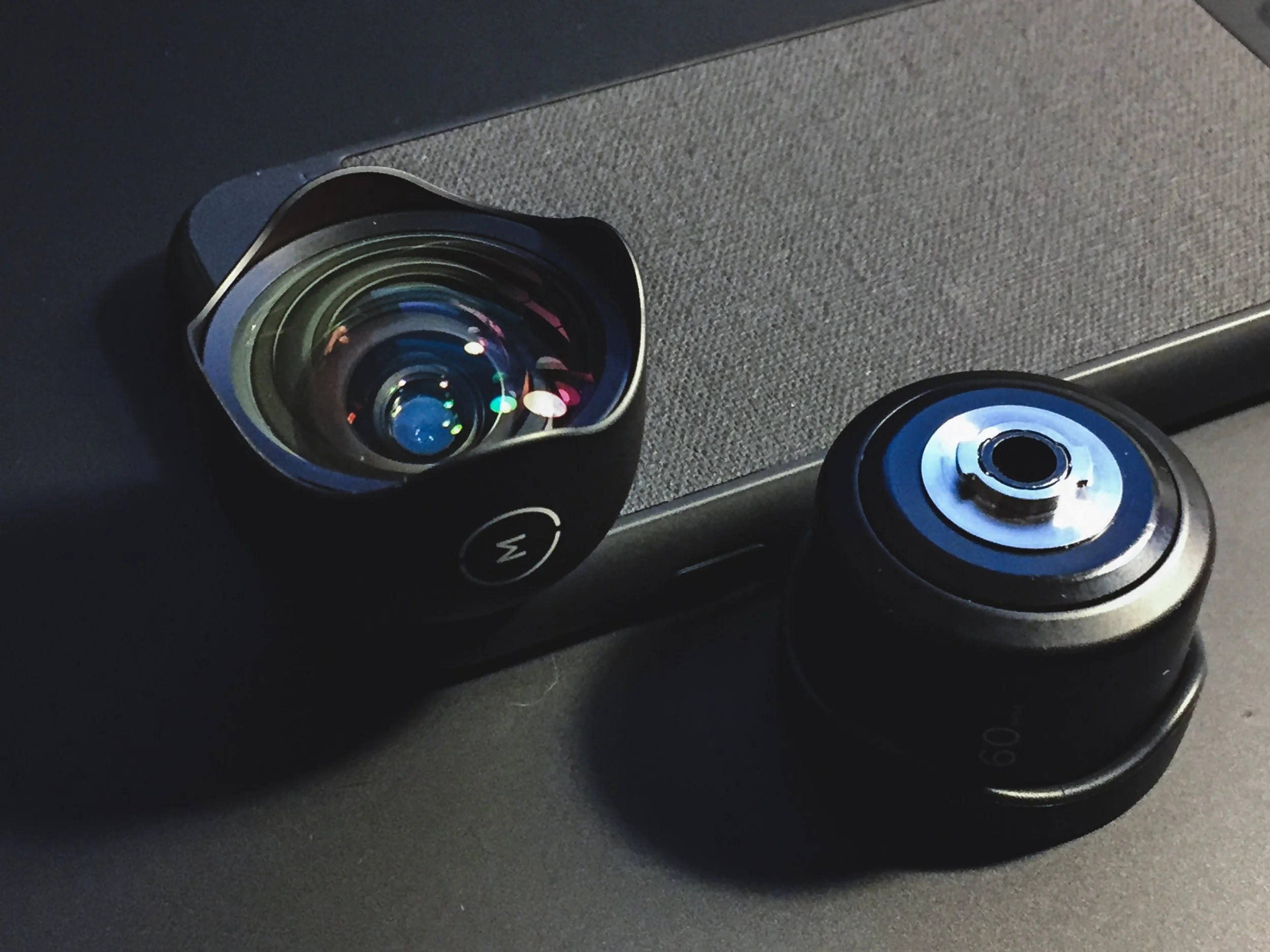
Moment Photo Case, Moment Wide Lens (V2) and Moment Tele (V1 with adapter)
I've only just gotten this kit, so I don't have much of to say in terms of performance yet. I do like the new case - it's slim, and textured on the back, which gives it a bit of grippiness. Once the lens is attached, though, the added weight tweaks the balance of the phone a little, and could make it a somewhat spill-prone. The case does have a spot to attach a wrist or neck strap—several styles of which are available for purchase on Moment's online store—which is something I might consider getting.
The V1 Tele lens with the adapter
One other thing: my first-gen Tele lens never fit well on the Moment case I got for my iPhone 6. It always seemed like it was on the verge of falling off, since it never locked into place, but rather kept spinning, as though the bayonet mount was stripped. Luckily, the new adapter that came with my Kickstarter reward (also available at the Moment store, for $5), was easy to attach and provides a nice, firm connection to the case.
Shot with Moment Wide, V2 on iPhone 7
I'm looking forward to spending some time with these two lenses, and will definitely post again with updates once I've had a chance to do that.
You know you wanna buy some apps...
Buying Apps in the Age of Free
When I like stuff, I'm the worlds goofiest, most enthusiastic evangelist of said stuff. I'm always recommending an app, a restaurant, a piece of camera gear, etc.
Often, especially when I'm talking about a mobile app, I get stopped mid-spiel with the same question: "is it free?". If the answer is no, then the pitch usually fizzles shortly thereafter due to loss of interest.
So many people have a strict "I don't pay for apps" philosophy, which I really don't understand. I mean, yes, who among us couldn't stand to be a little more fiscally conservative, and even small sums add up. But on the other hand, our devices - specifically our mobile devices - are such an integral part of our daily lives now, so expecting to only ever pay once (outside of the monthly cost of whatever the carrier's charging for your plan) to effectively extend the value of those devices is perplexing to me.
Let's take a mobile app that costs $5 as an example. If you're going to balk at the cost of the app, ask yourself a few questions first:
- How will that $5 impact your quality of life in the forseeable future? If the answer is "dramatically", then forget it - discussion over, don't buy that app.
- In your day-to-day life, how many other goods or services can you name that would you spend $5 on, and expect to have support and upgrades for, continuing in perpetuity? If Chipotle changed the recipe for their carnitas burrito tomorrow, would you expect an upgrade to the one you had yesterday? Maybe a better comparison would be a Starbucks latte, since that is probably closer to $5 in value.
- Speaking of value, do you think you would get any value from the app in question if you bought it? How much value? Would you use it once? Daily? If you ammortize that value over the amount of uses you expect to get out of it, or over time, doesn't it seem like a better deal?
- Will using this app/software in any way help you to earn your income, and thereby keep the lights on and a roof over your head? Will it in any way contribute to your peace of mind? How much do you value peace of mind? How about entertainment? $5 seems a small price to pay to be entertained, even a little bit.
- The most obvious question to ask yourself is, if you made that app - if you had worked hard, stayed up late, researched new techniques, pulled your hair out and bashed your head against your keyboard squashing bugs and figuring out new API's and cross-platform compatibility issues, and sacrificed time spent with your spouse and kids and pets, and skipped out on going to current movies in the theater to create this app - would you not want to be compensated for your effort?
One of the reasons I don't mind paying for an app, is because part of what I'm paying for is an implicit agreement with the developer. If I'm not happy with the product, or if the quality or functionality (aka value) changes after an update, then I believe my payment for the app entitles me to voice my opinion at least a little bit. Well, maybe a little bit more than if I'm just some free user. I could be wrong though. Conversely, I feel that having paid for the app, I'm probably more invested in its continuing evolution and improvement, so I'm more likely to offer reasonable suggestions and feedback to the developer - and they will probably take me more seriously, because they realize that I'm invested. Again, I could be wrong.
I totally understand the impulse to get the free version of an app that's "just as good". If it really is just as good, then sure, why not. But a lot of the time it's not just as good. Or there are ads, or your giving up privacy in exchange for "free", or the developer might just abandon the app.
Incidentally, I guess my exception is that I will almost never pay for any of those god-awful in-app purchases for games like Clash of Clans, or even my beloved Real Racing 3, where they make the game suck and hold your fun hostage, but oh, look - if you just cough up some doough, you can play some more. Eff that. I'd rather pay for the game outright (eg. Super Mario Run).
Here's an incomplete list of apps and services that I happily pay/paid for, because when I ask myself some of the questions listed above, at bare minimum, the answer is that I would easily get value for my money, whether in the form of peace of mind (Backblaze, 1Password), or saved headaches (iCloud, or even pure entertainment (Netflix):
- 1Password
- Backblaze
- Adobe Creative Cloud
- New York Times Digital Subscription
- New York Times Crosswords
- Super Mario Run
- Apple Music
- iCloud 200GB Storage Plan
- Dropbox
- Amazon Prime
- Netflix
- Procreate
- Pixelmator
- numerous iTunes movie rentals/purchases
Of course, my financial situation is different from many people. I don't have kids, and my wife and I both work full-time jobs. Our rent is reasonable (by Brooklyn standards), and for the most part we live below our means. Being the more responsible of us, she doesn't have any credit card debt, but I'm almost there too. Her student loans are paid off, and I never had any (because, being an international student, I wasn't eligible for them - at least that's how it worked in the olden days, I'm not sure how it works now). We don't have a car either. I think the point I'm making is, the next time you come across an app or service, and your knee-jerk reaction is "It's not free? I ain't paying for that", ask yourself why.
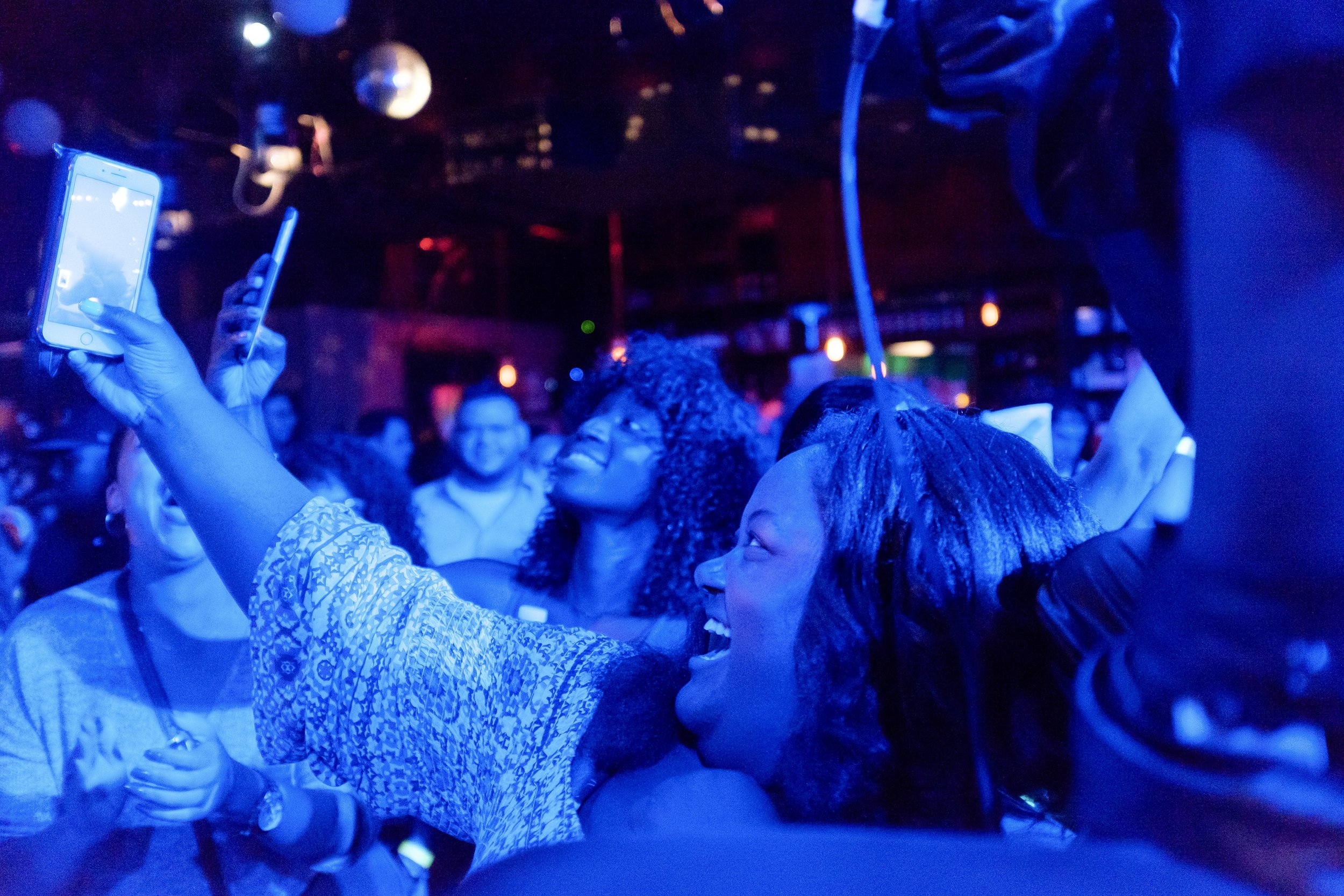
The crowd reacts to the Roots' performance during Advertising Week at Webster Hall.
2016 Year in Review
2016 was a remarkable year, to say the very least. Not only on a national and global level, with events like Trump's unprecedented election victory, Russian hacks, and the Syrian war, but it was remarkable for me personally.
My wife was diagnosed with cancer late last year, so much of the early part of this year was dedicated to her recovery. Happily, she's healthy and cancer-free now, and she'll just have to be vigilant about getting checkups regularly to make sure she stays that way.
Aside from that, we took quite a few trips this year—some smaller trips to visit family and friends in Concord, New Hampshire and Atlanta; and some bigger trips like the one we took to China to celebrate our 10th anniversary. We also did an epic 9-day road trip through Upstate New York and Niagara falls with our nieces Gigi and Leila. It was a great way to experience New York (although I still have much of the state to see), as well as a fun way to spend time with our nieces as they grow into young ladies.
Overall, I'd say it was a good year for me. Professionally, I think I need to get really introspective and answer some questions about where my career development should be headed. As a photographer, I think I need to continue to push myself to make better images, and to keep working to refine my creative voice.
I had fun looking back over the past year while making my selects for this post, and in spite of the challenges that we face with Trump's administration, I feel optimistic about the year ahead.
Happy New Year!
MacSparky on Apple AirPods →
A reasoned first take on Apple's AirPods from David Sparks, aka MacSparky. His take confirms my expectation that they won't work for me, as the current EarPods that Apple ships with every iPhone fall out of my ear with the slightest movement of my head, so I never use 'em. Plus, I like something that has a little noise reduction, if not noise cancellation, so I can block out the annoying chatter on the subway.
I'm still bullish on the tech, though, specifically Apple's W1 chip, which improves pairing and wireless sound quality. I have personally tried the new BeatsX wireless headphones, which also feature the W1 chip, and will probably get a pair of those when they're available.
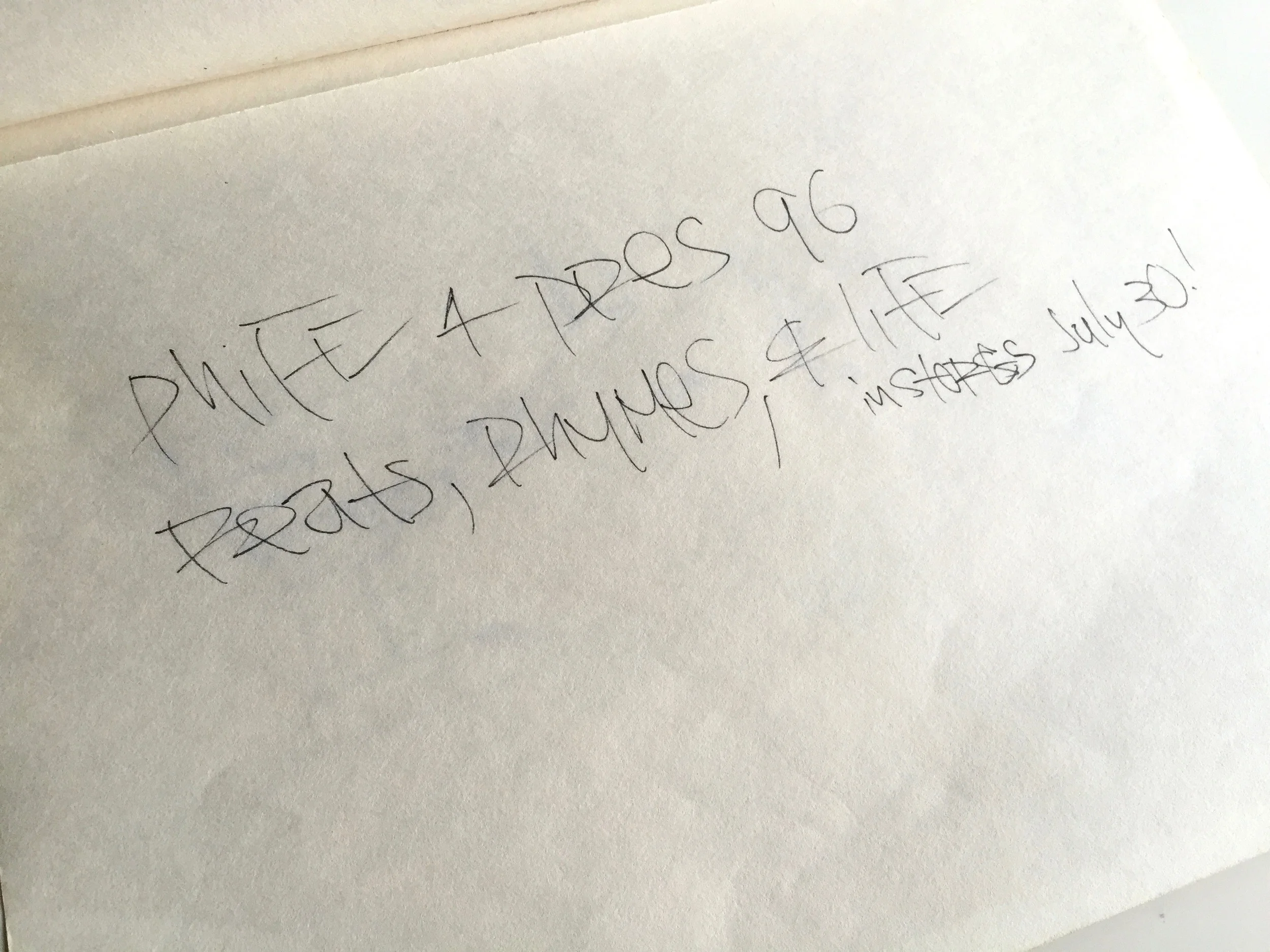
Phife 4 Pres
I ran into Phife on a flight to Savannah 20 years ago. I guess I hadn't mastered the indifferent-New-Yorker-that-doesn't-get-star-struck thing, because I asked him for an autograph, and he was gracious enough to sign my sketchbook.
RIP Phife.